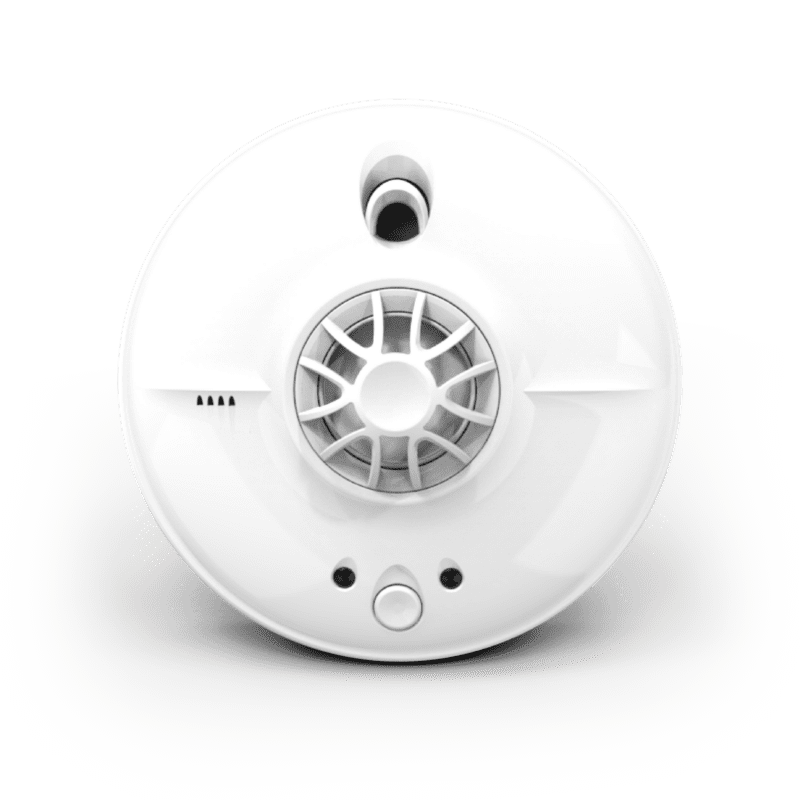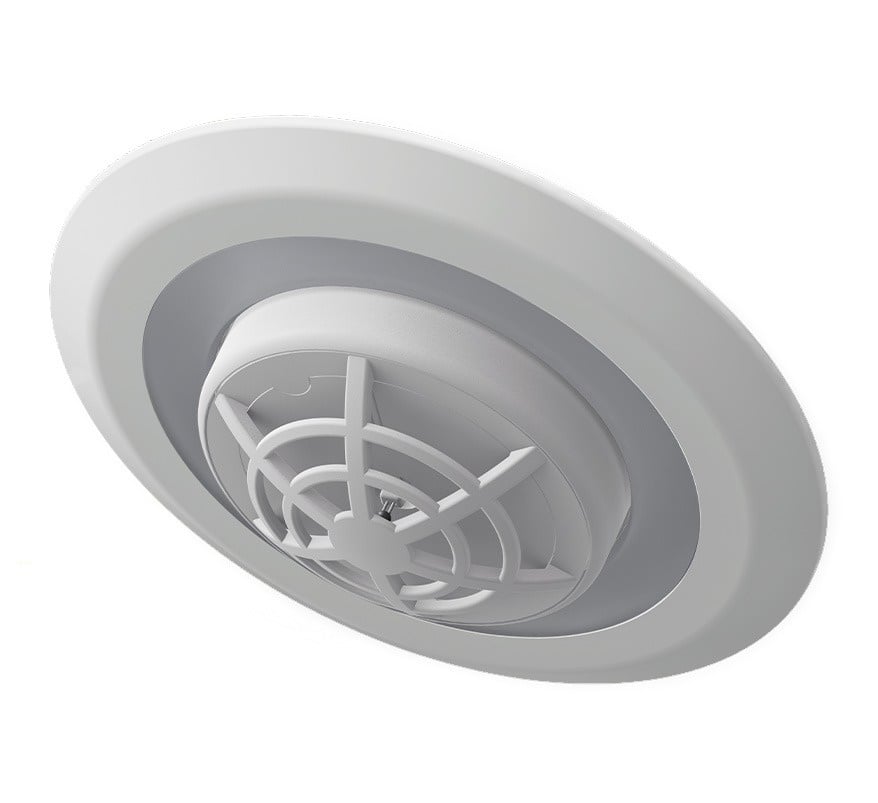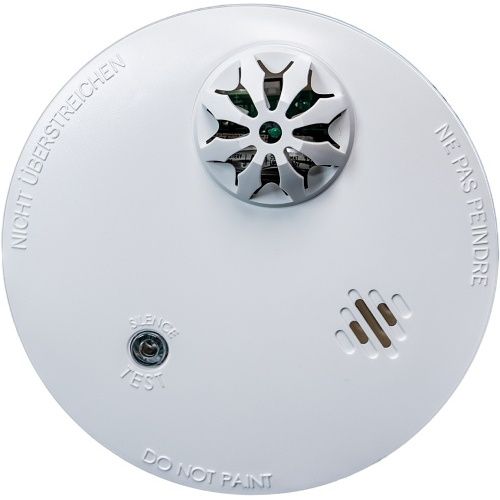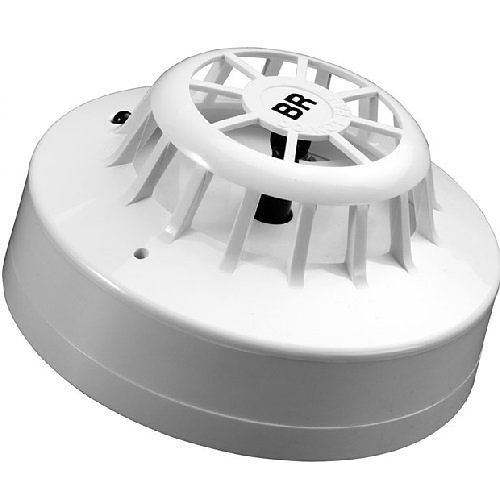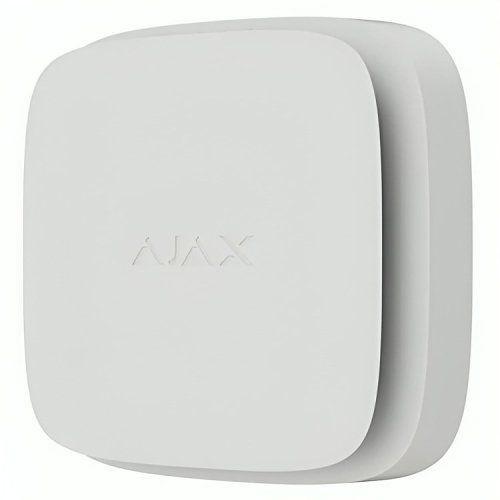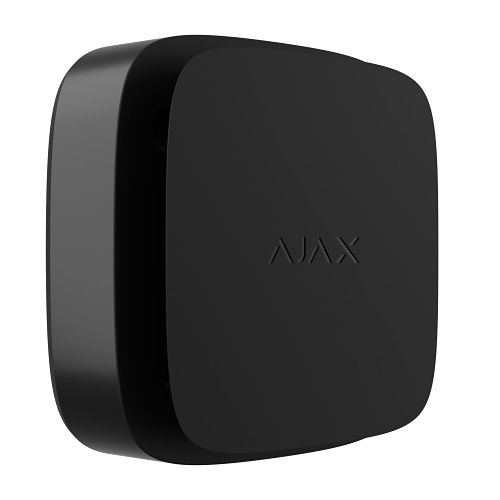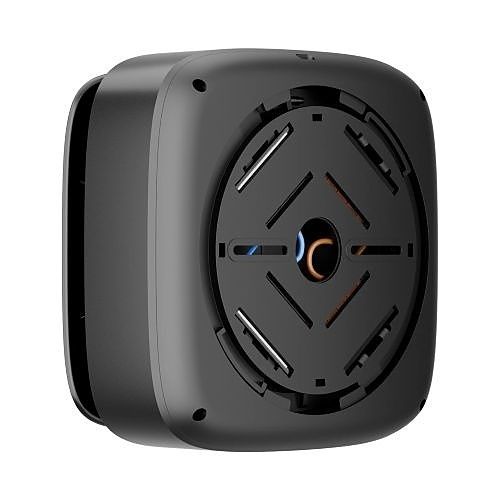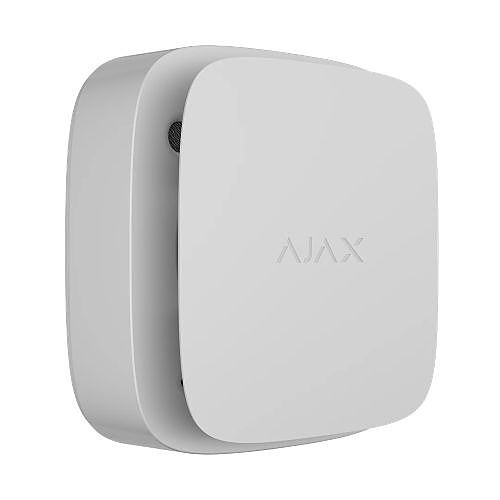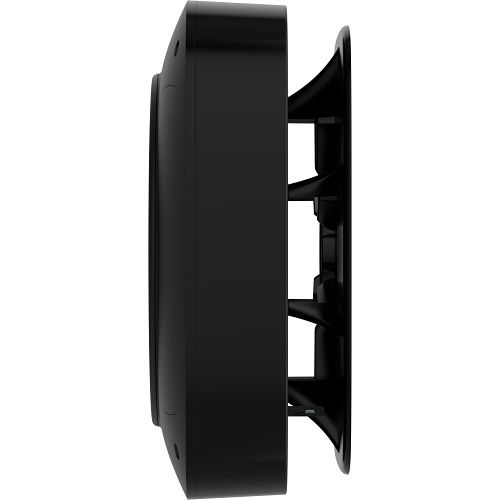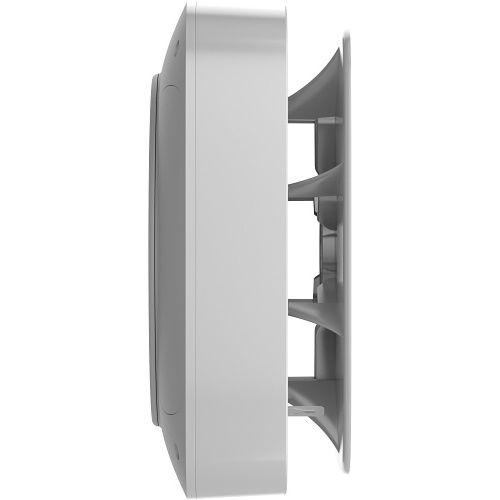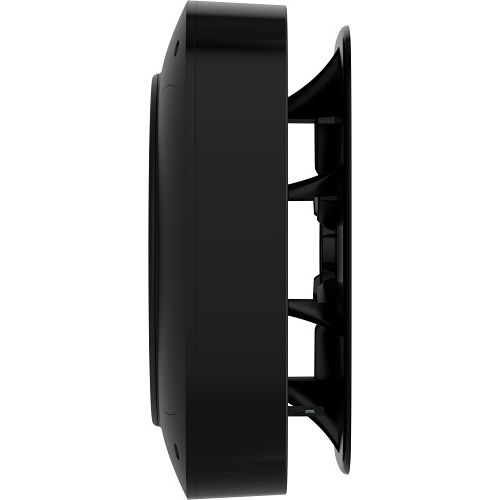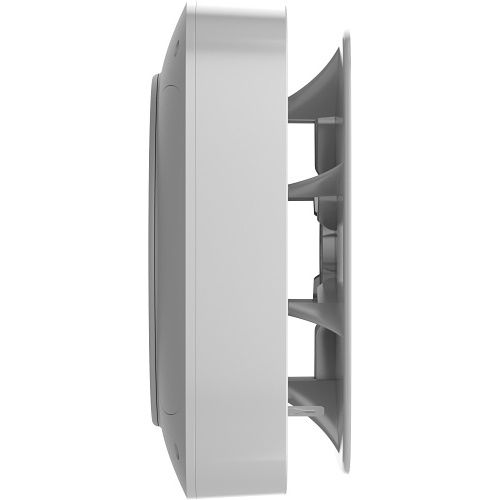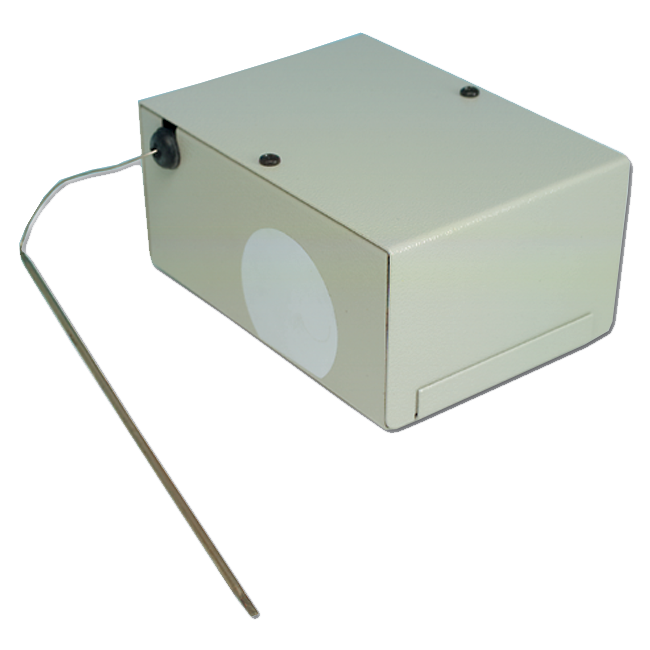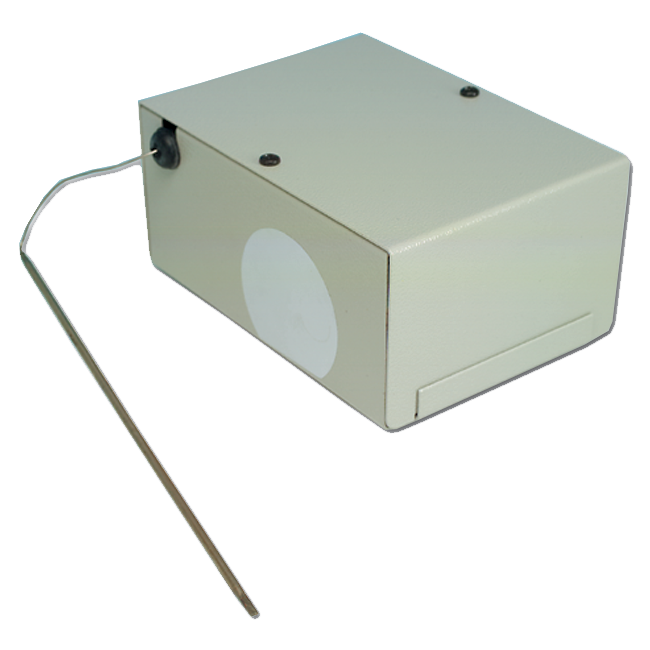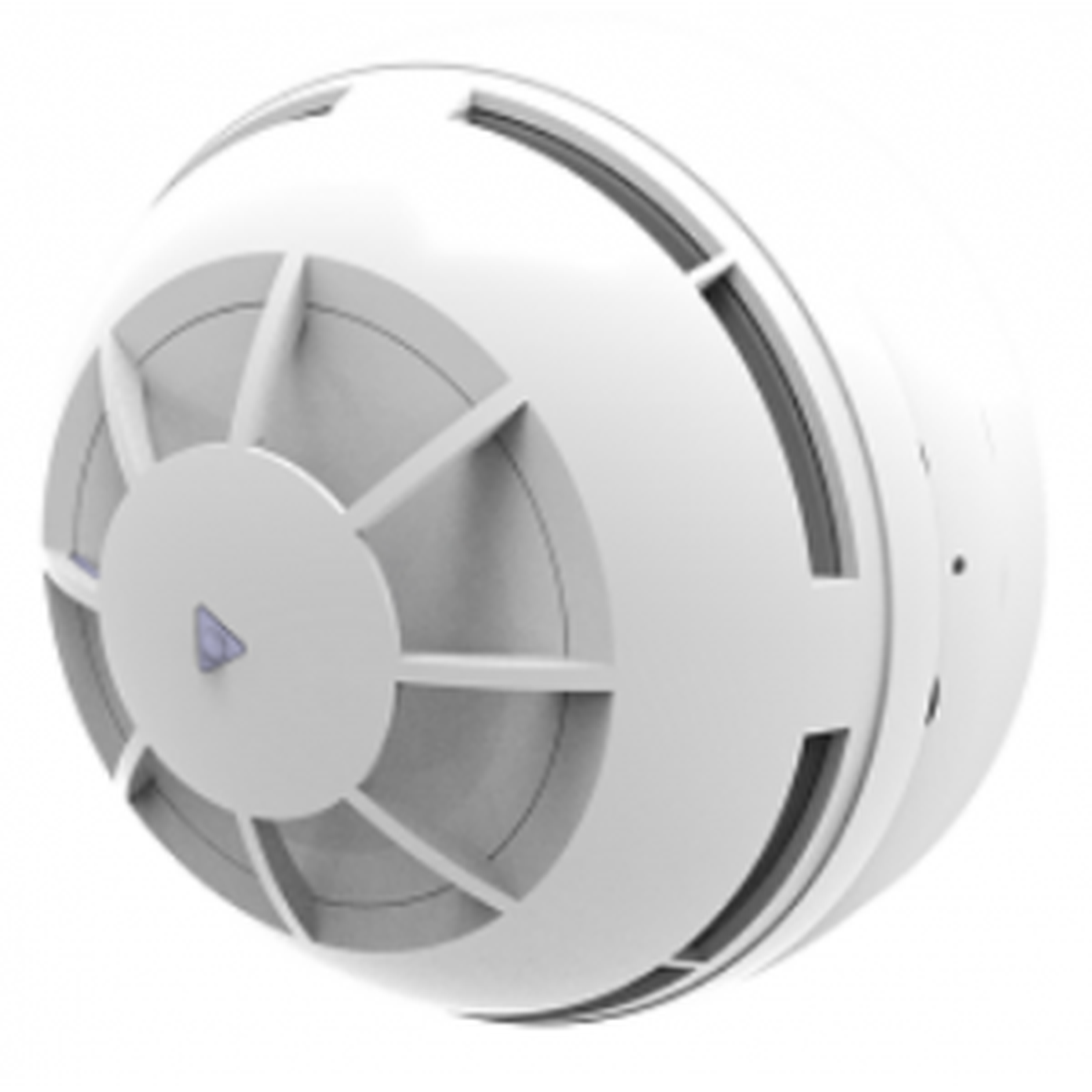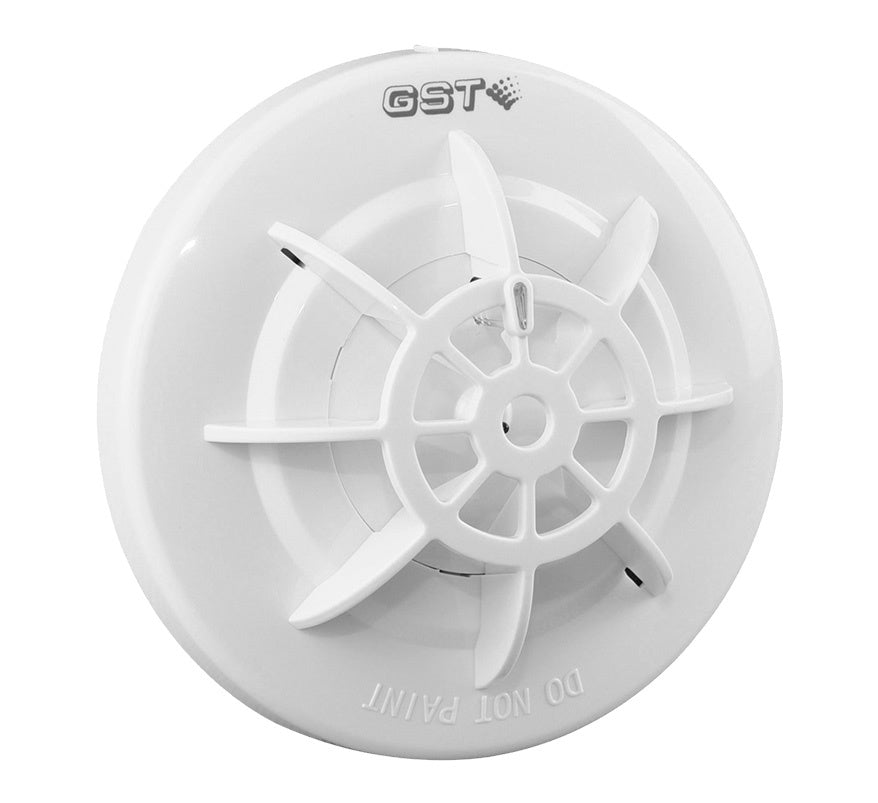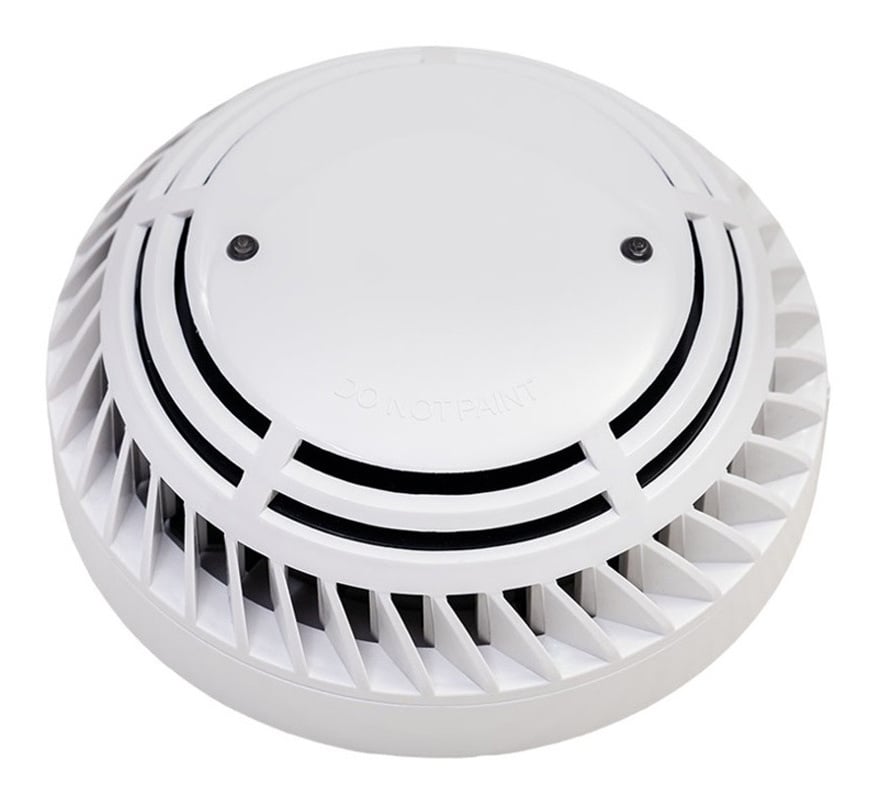
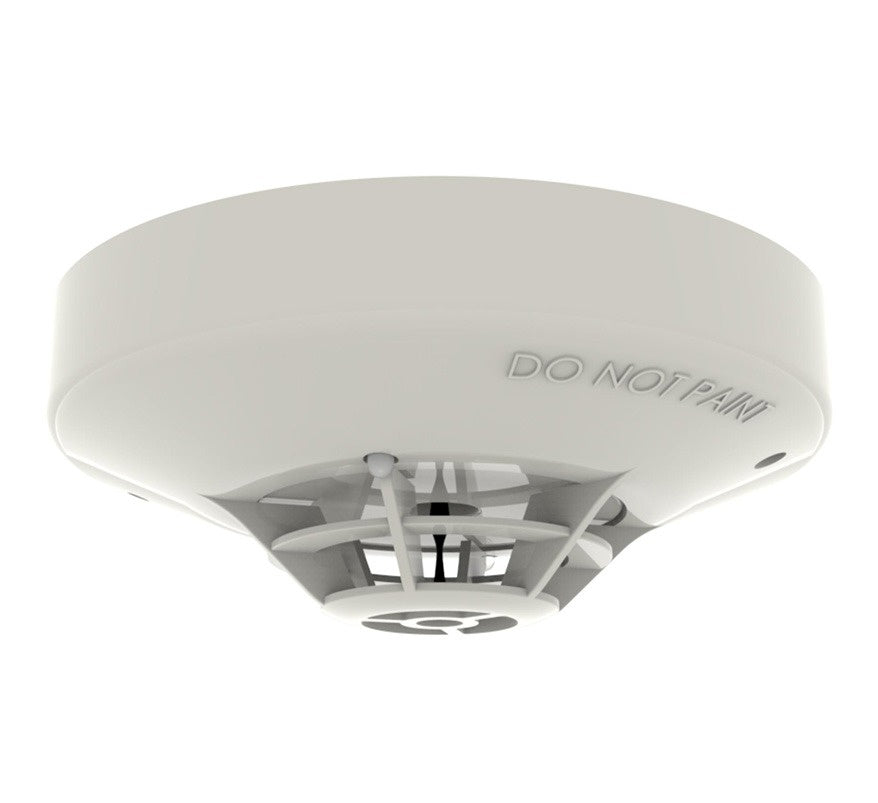
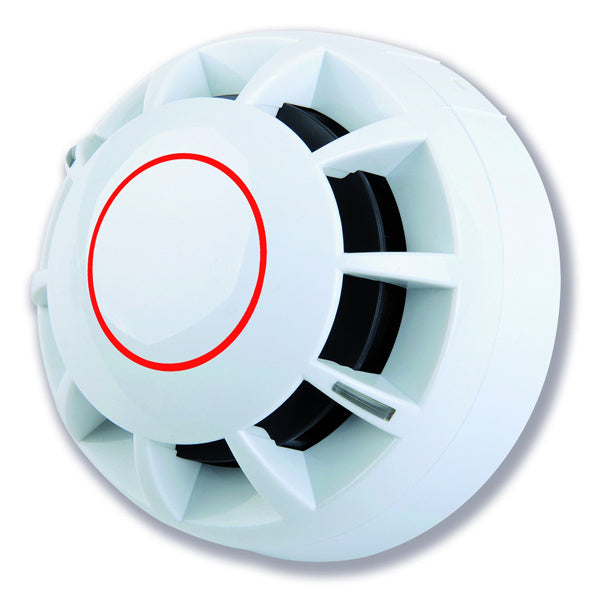
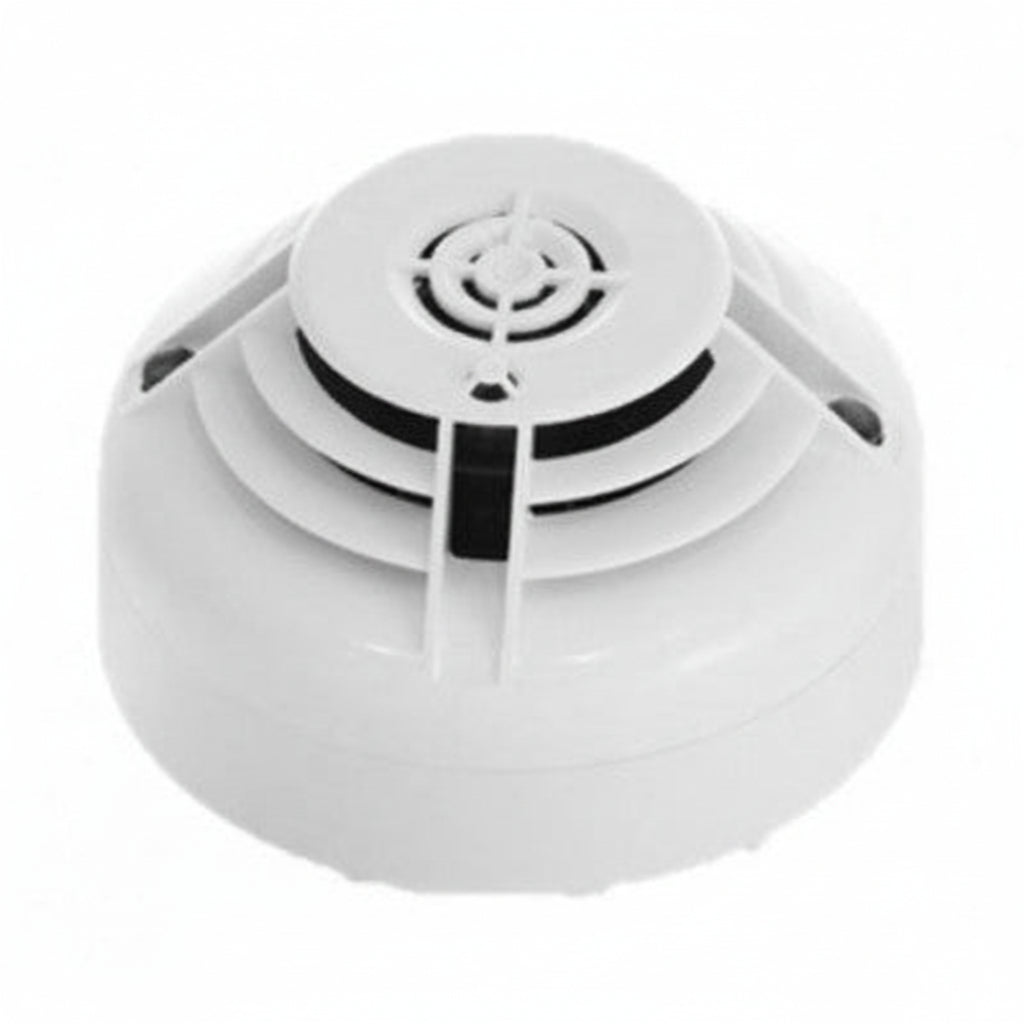
Buy heat detectors for addressable, conventional and wireless fire alarm systems: rate of rise (A1R), fixed temperature (A2S, BS, CS), linear heat detection and domestic heat alarms. Heat detectors protect areas where smoke, steam or dust would make a smoke detector false alarm.
Heat detector types
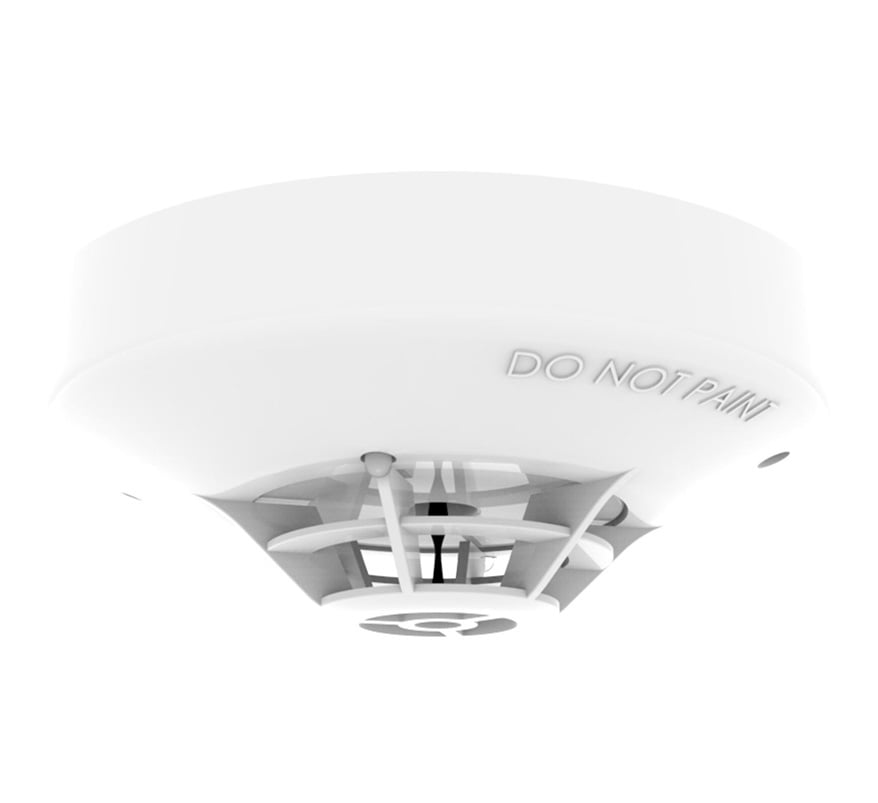
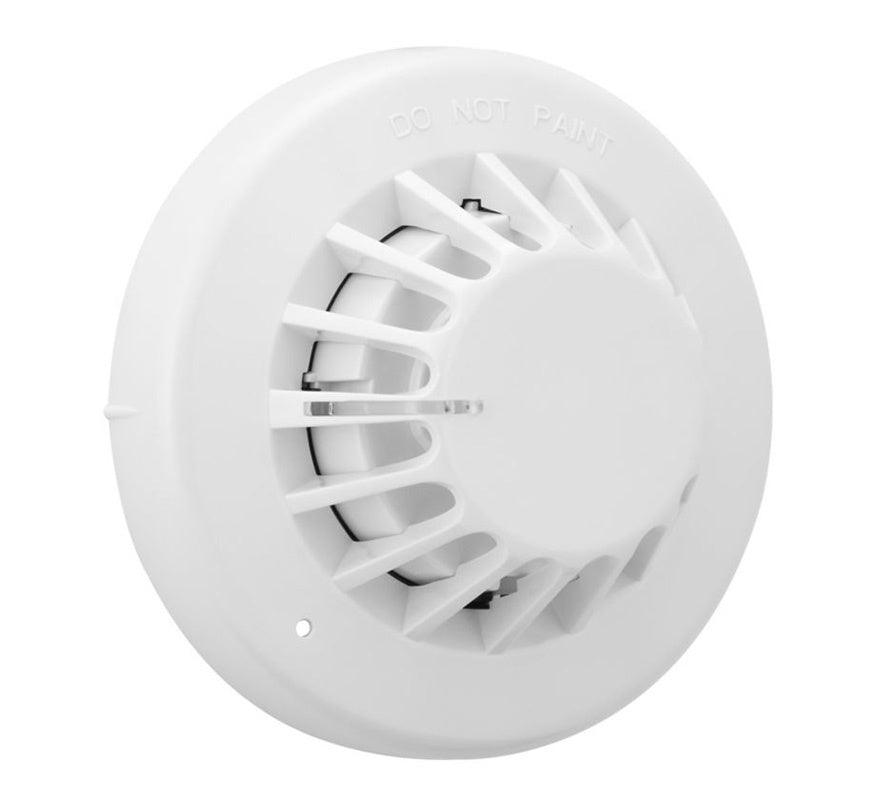
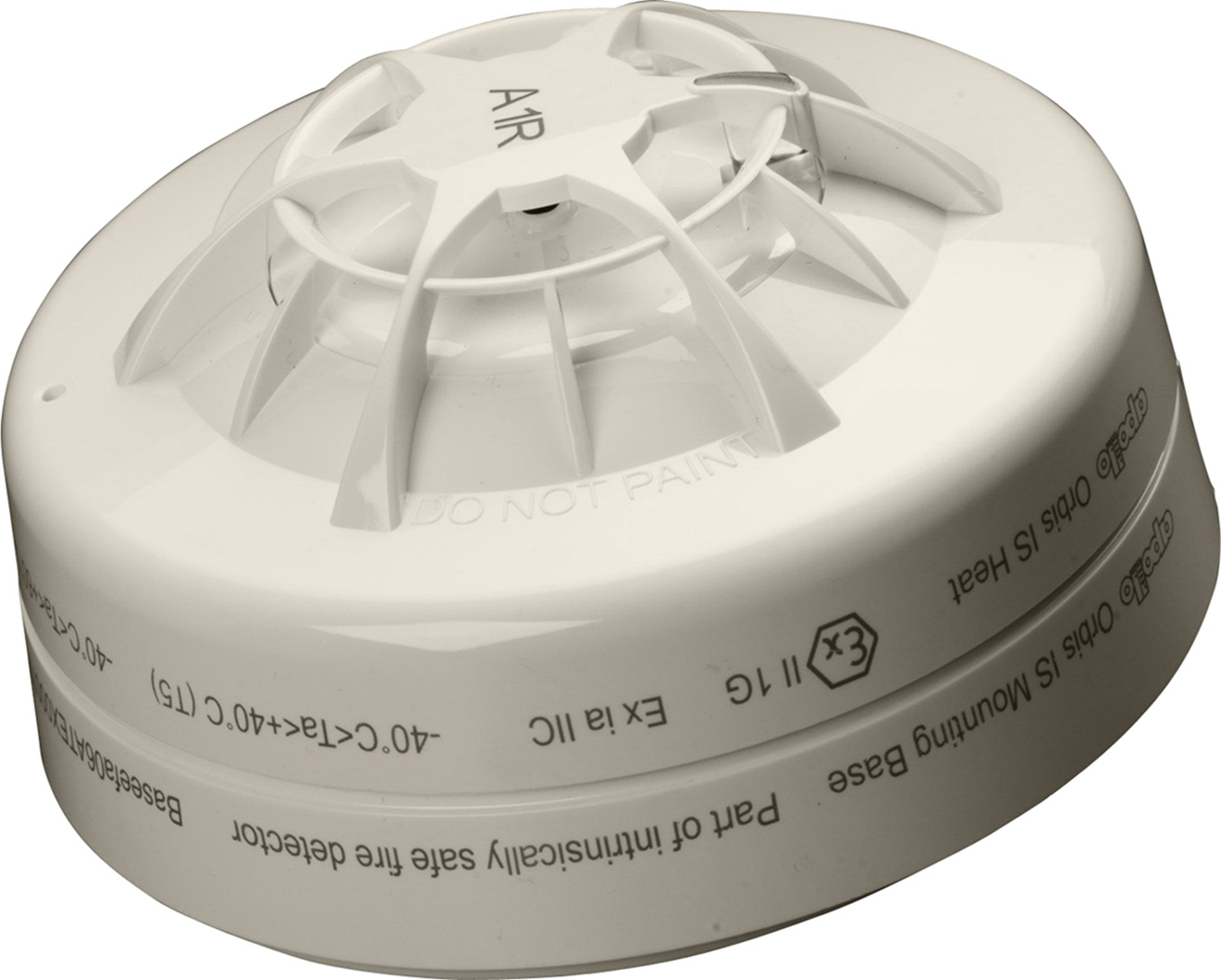
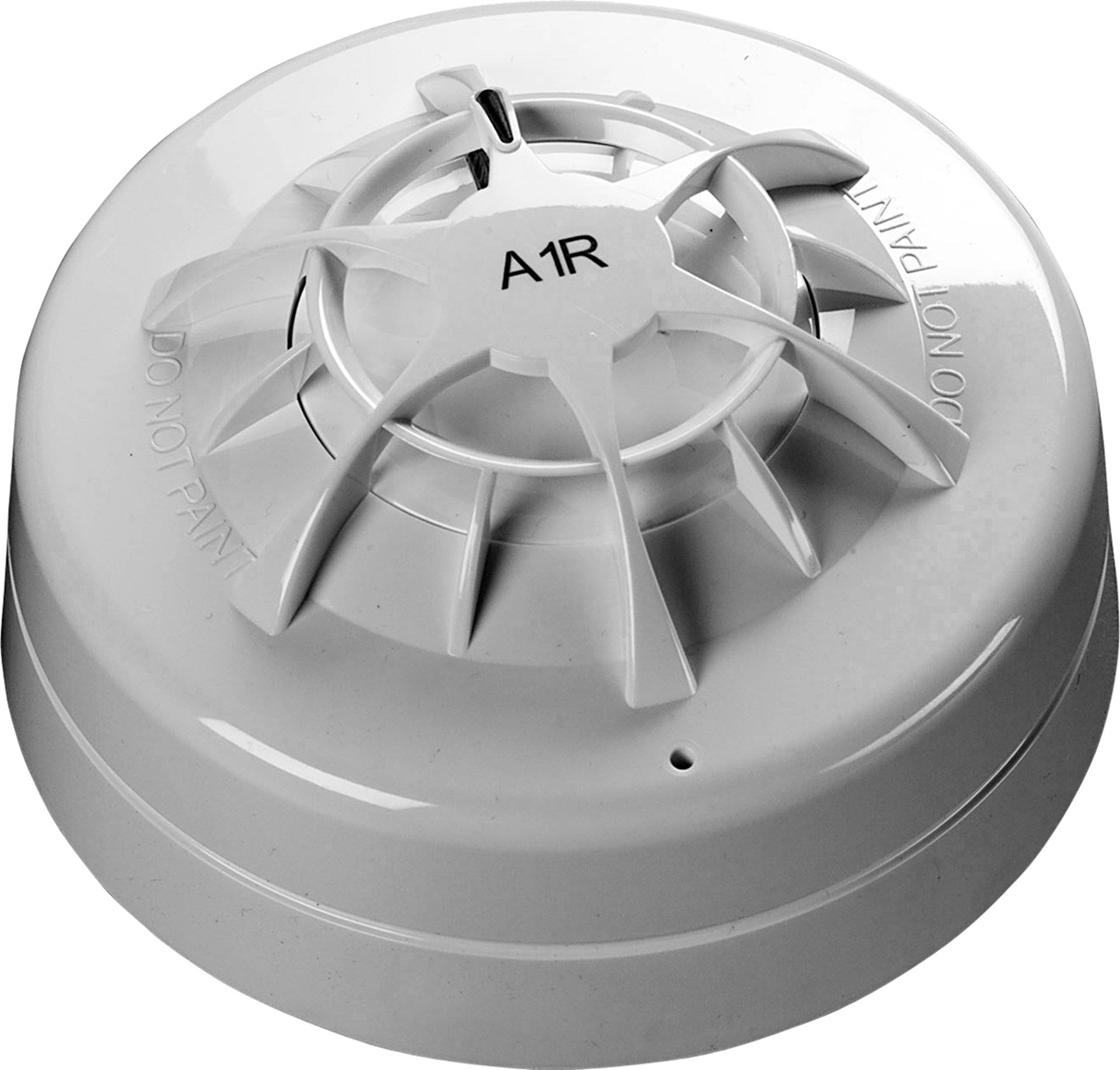
- Rate of rise heat detectors alarm when the temperature climbs quickly as well as at a fixed threshold, such as the Apollo Series 65 A1R and Notifier NFXI-TDIFF.
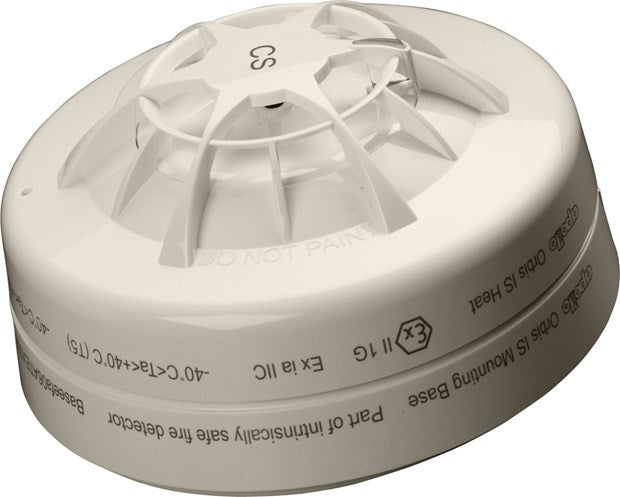
- Fixed temperature heat detectors respond only at their set threshold, so they suit rooms where the temperature changes quickly in normal use, such as the Apollo XP95 A2S and Series 65 CS.
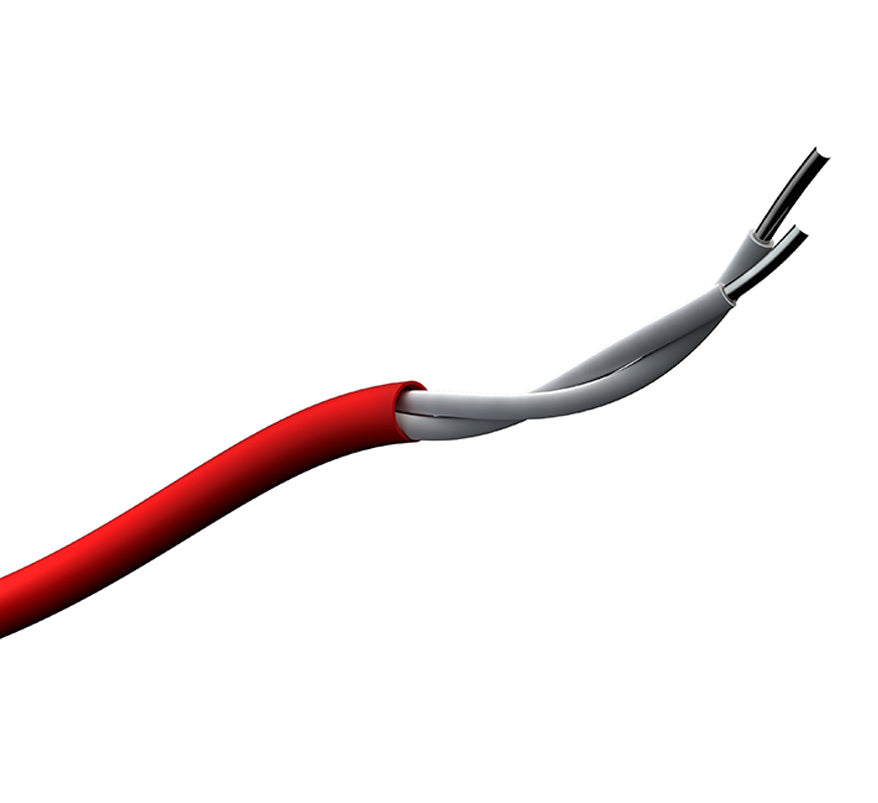
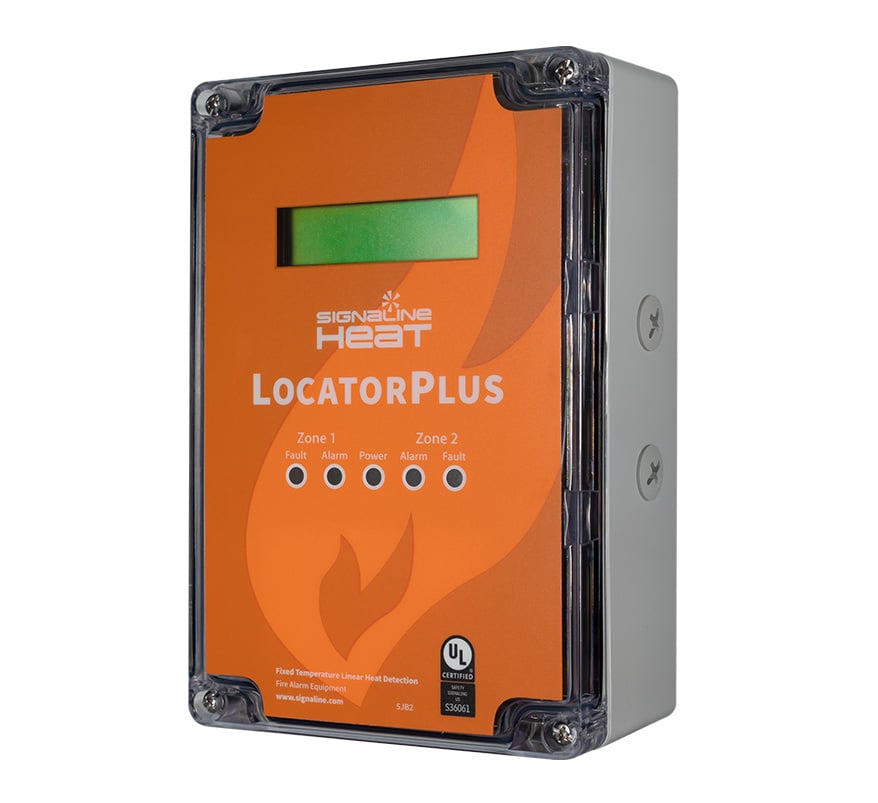
- Linear heat detection: Signaline fixed temperature cable with LocatorPlus-EN controllers.
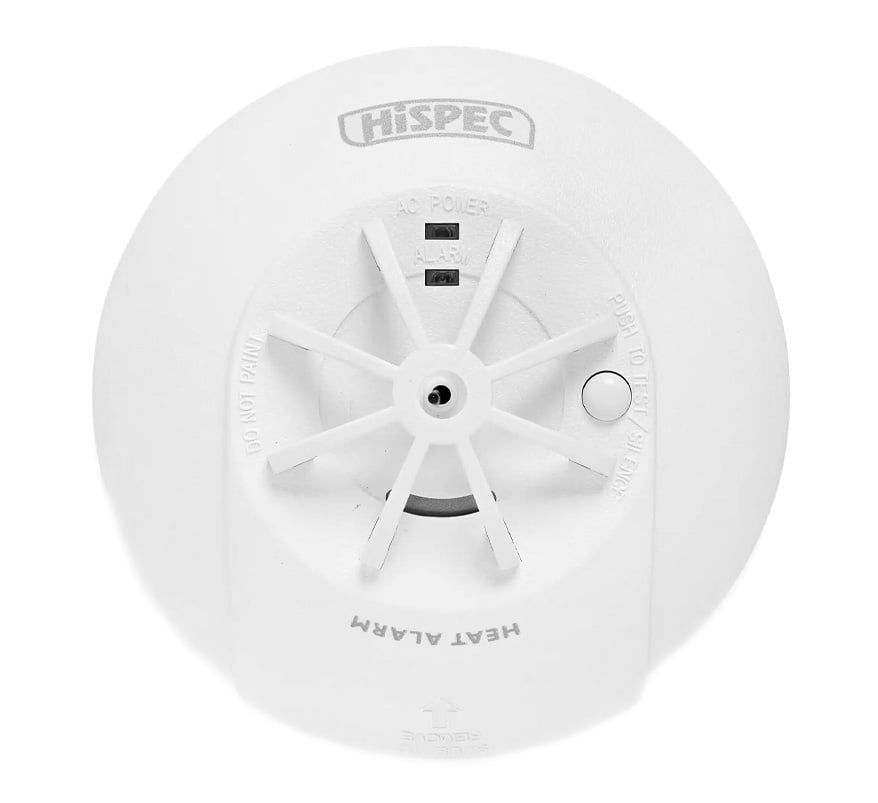
- Domestic heat alarms for kitchens and garages from Aico, FireAngel, FireHawk, Hispec and Lumi-Plugin.
EN 54-5 heat detector classes explained
EN 54-5 classifies point heat detectors by the temperatures they are designed to work in and respond at:
| Class | Typical application | Maximum application | Static response |
|---|---|---|---|
| A1 | 25°C | 50°C | 54–65°C |
| A2 | 25°C | 50°C | 54–70°C |
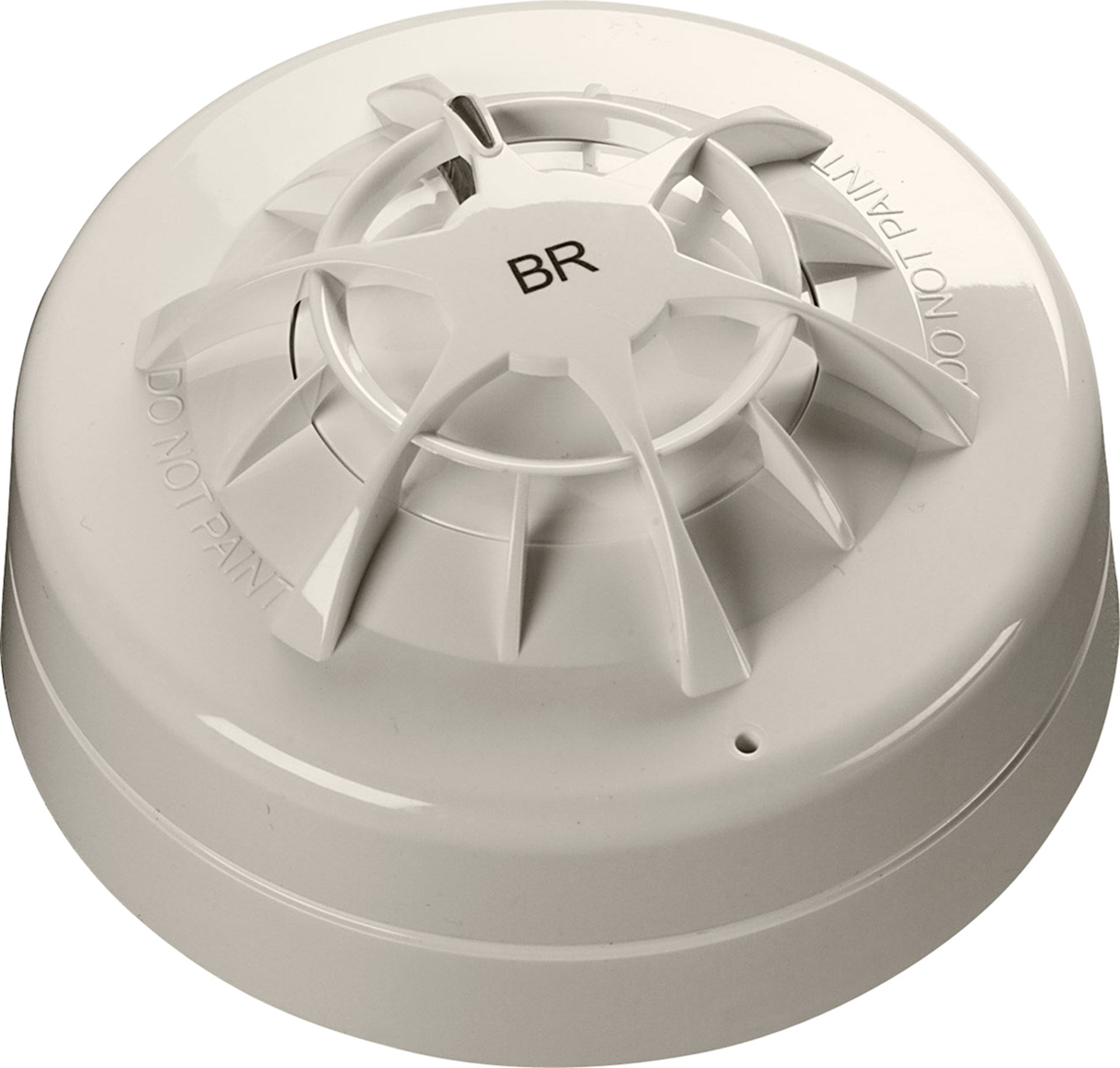
| B | 40°C | 65°C | 69–85°C |
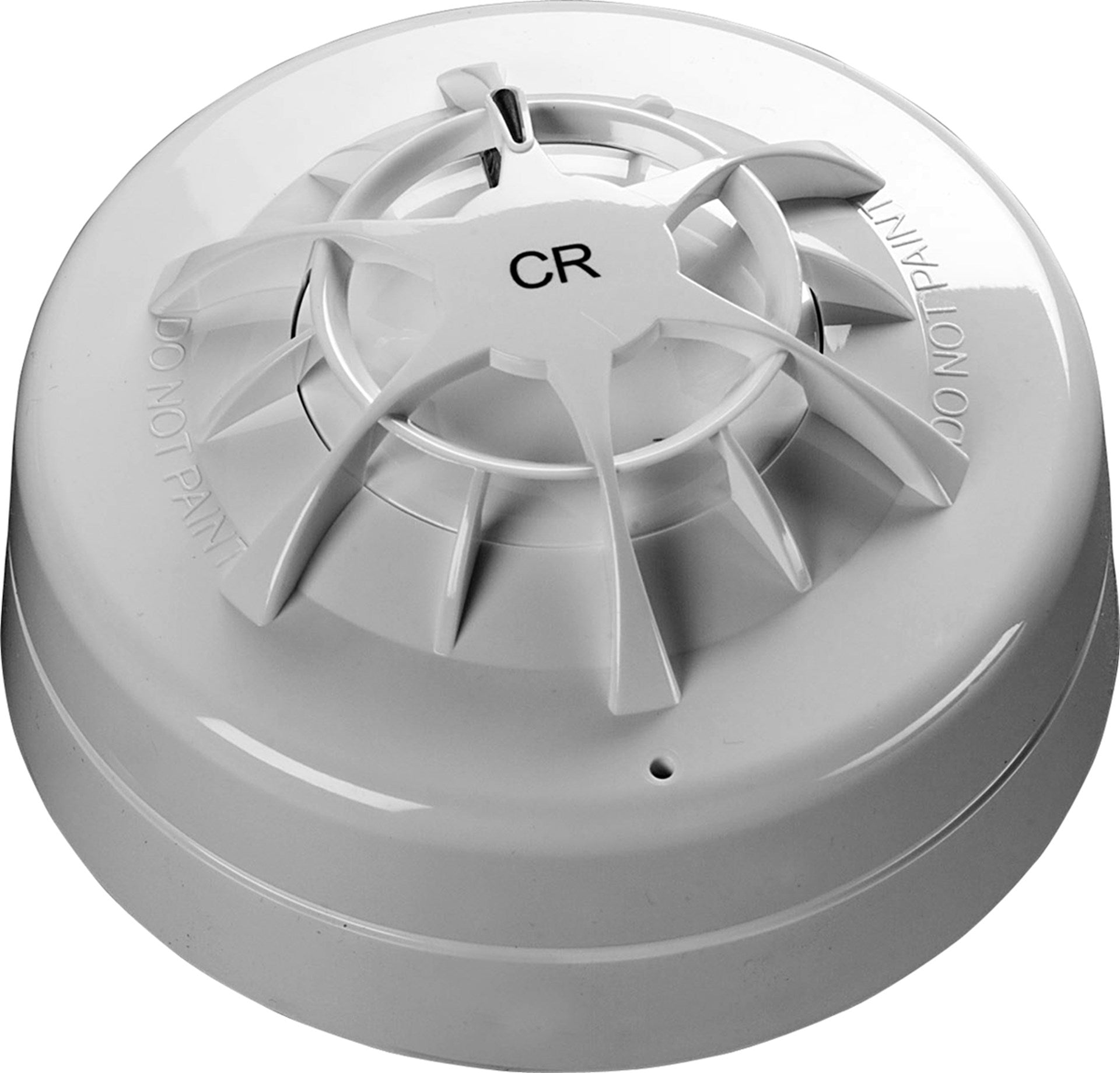
| C | 55°C | 80°C | 84–100°C |
| D to G | 70–115°C | 95–140°C | 99–160°C |
The suffix S (static) means the detector will not respond below its class's minimum static response temperature, however fast the temperature rises. The suffix R means it also has a rate of rise characteristic, so it responds to a rapid rise starting well below the typical application temperature. An A1R is therefore a class A1 rate of rise detector, an A2S a class A2 fixed detector, and BS and CS are fixed detectors for warmer areas. Choose a class that suits the normal temperature of the room.
Where heat detectors are used instead of smoke detectors
Heat detectors are not triggered by cooking fumes, steam or dust, so they are used where smoke detection is unsuitable:
- kitchens and kitchenettes
- boiler rooms and plant rooms
- garages
- areas that are dirty, smoky or steamy in normal use
They complement smoke detection rather than replace it. Detector type and siting should follow the system design to BS 5839-1 (or BS 5839-6 in homes) and your fire risk assessment, so consult a competent fire alarm designer.
Heat detectors by brand
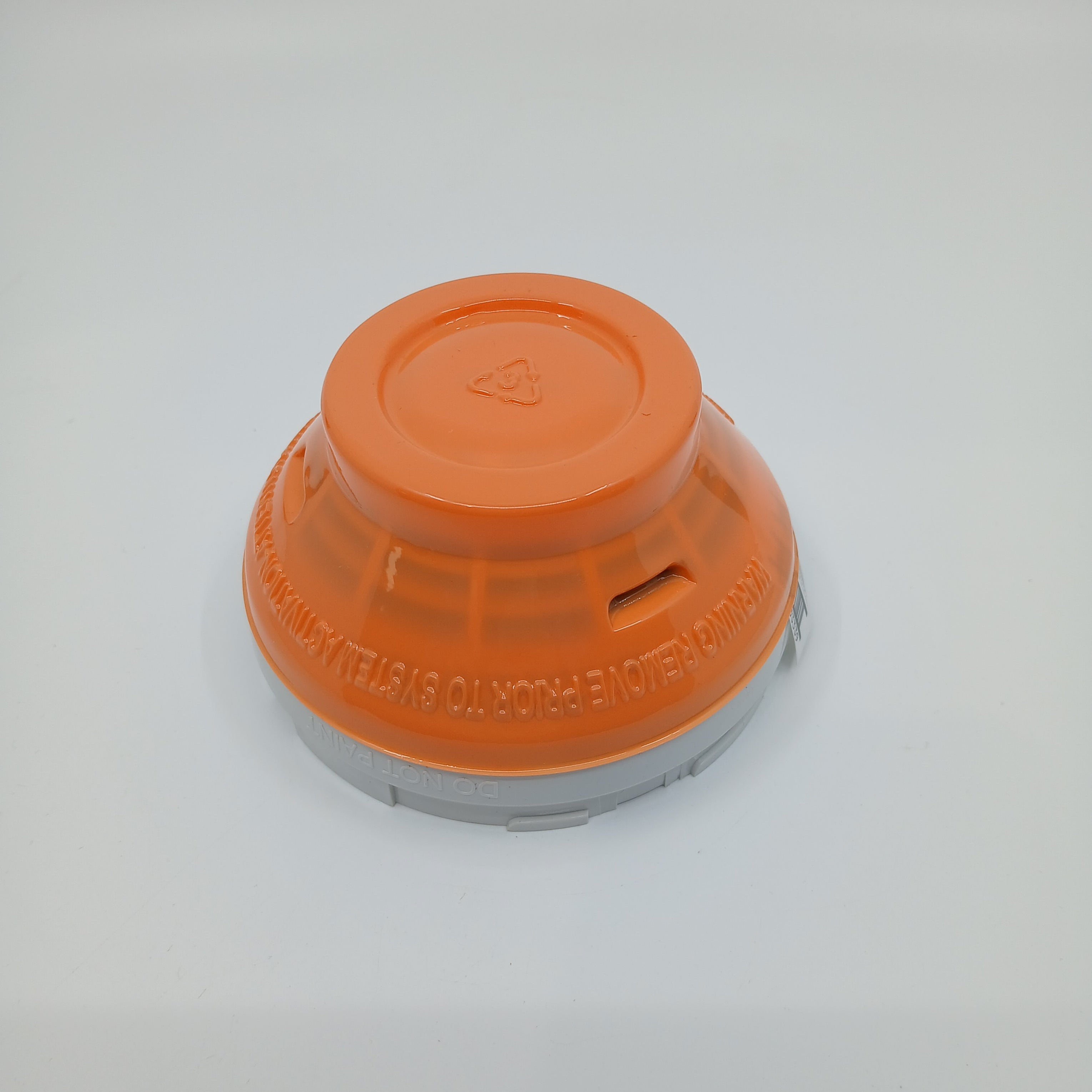
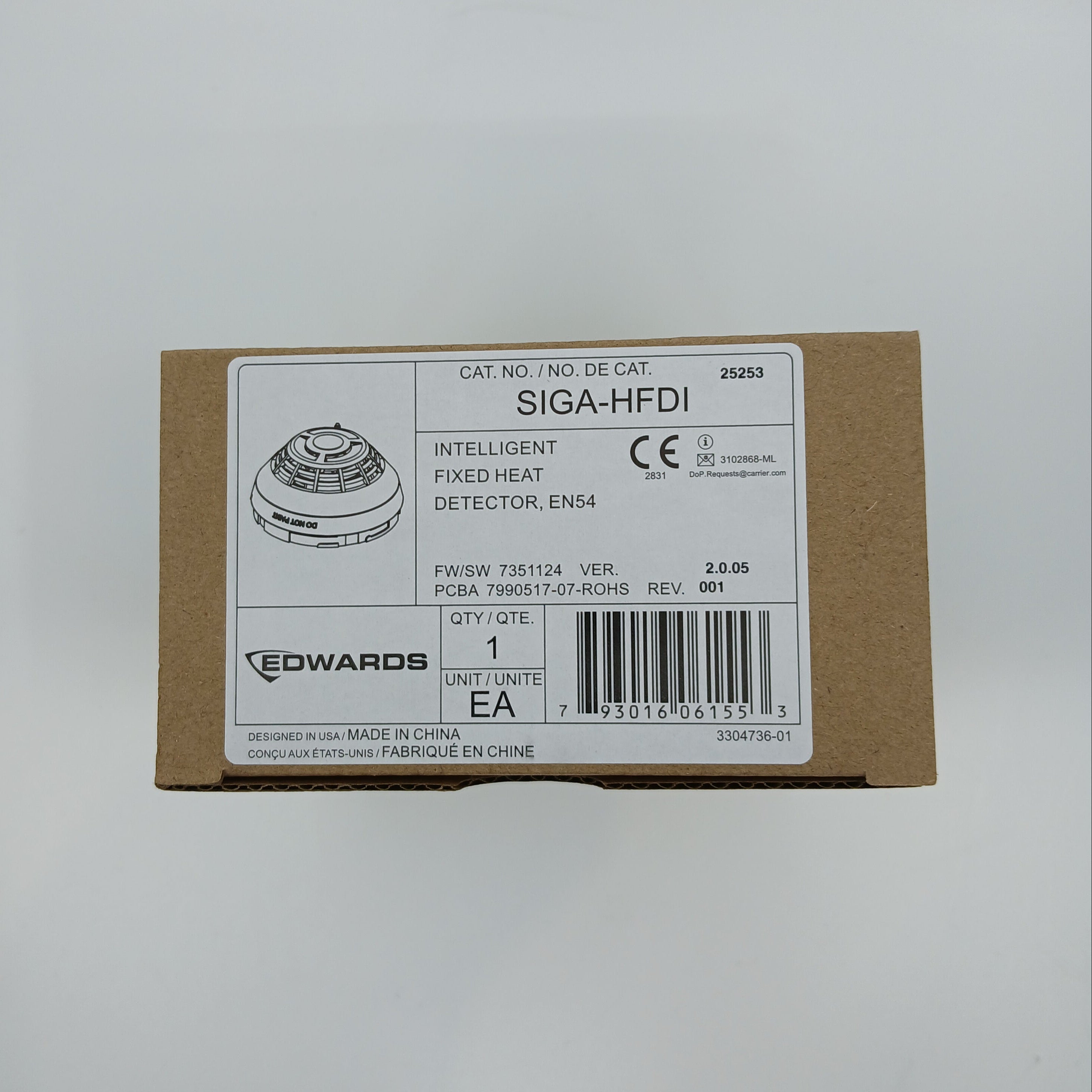
Ranges include Apollo XP95, Discovery, Soteria, Orbis and Series 65, Notifier Opal, System Sensor, Edwards SIGA, FireClass, Kidde Commercial, Hochiki ESP, Nittan Evolution, Zeta, C-TEC, Eaton and Ziton weatherproof models. Addressable detectors must match the panel protocol, and most heads are sold without a base, so add one from our detector bases.
Why buy from JEM Systems UK
JEM Systems UK is an authorised distributor of Apollo, Notifier, System Sensor and Edwards, and every detector we supply is genuine, brand new and factory sealed. Order heat detectors alongside smoke detectors, multi-sensor detectors and heat detector testers, with fast, tracked UK delivery.
Heat detector FAQs
What is the difference between rate of rise and fixed temperature heat detectors?
A fixed temperature detector alarms only when the air reaches its set temperature. A rate of rise detector also alarms when the temperature climbs unusually fast, so it can respond sooner to a fast-developing fire.
What does A1R mean on a heat detector?
It is an EN 54-5 class: A1 detectors are designed for rooms typically around 25°C and respond between 54°C and 65°C, and the R shows a rate of rise element.
Can a heat detector replace a smoke detector?
No. Heat detectors are used where smoke detection would cause false alarms, alongside smoke detection elsewhere, as set out in the system design.







![Apollo 58000-400MAR Discovery Marine Heat Detector [SIL2] - JEM Systems UK](http://jemsystems.co.uk/cdn/shop/files/apollo-default-title-apollo-58000-400mar-discovery-marine-heat-detector-sil2-58000-400mar-63957946532213.jpg?v=1766067781&width=1920)