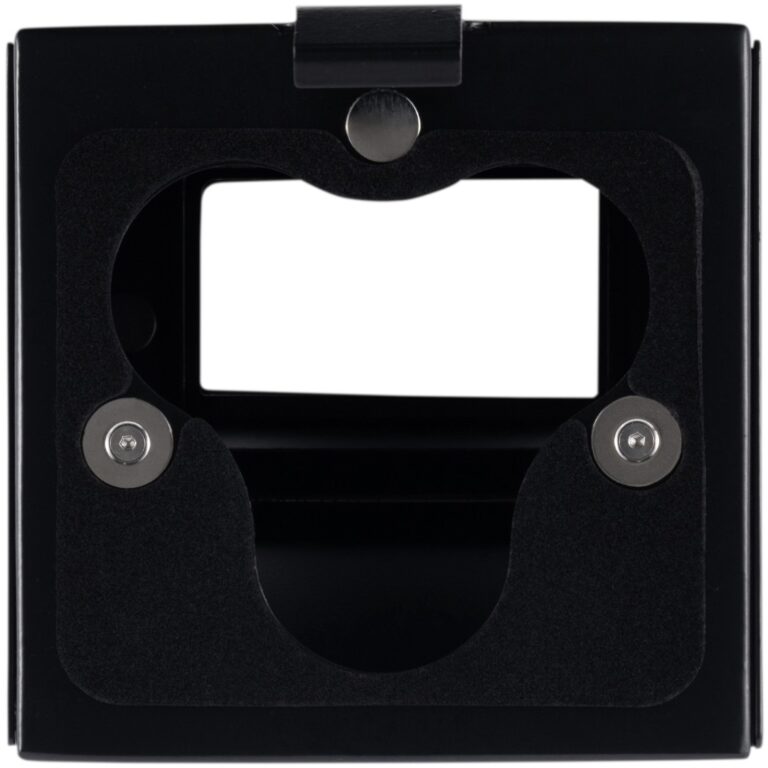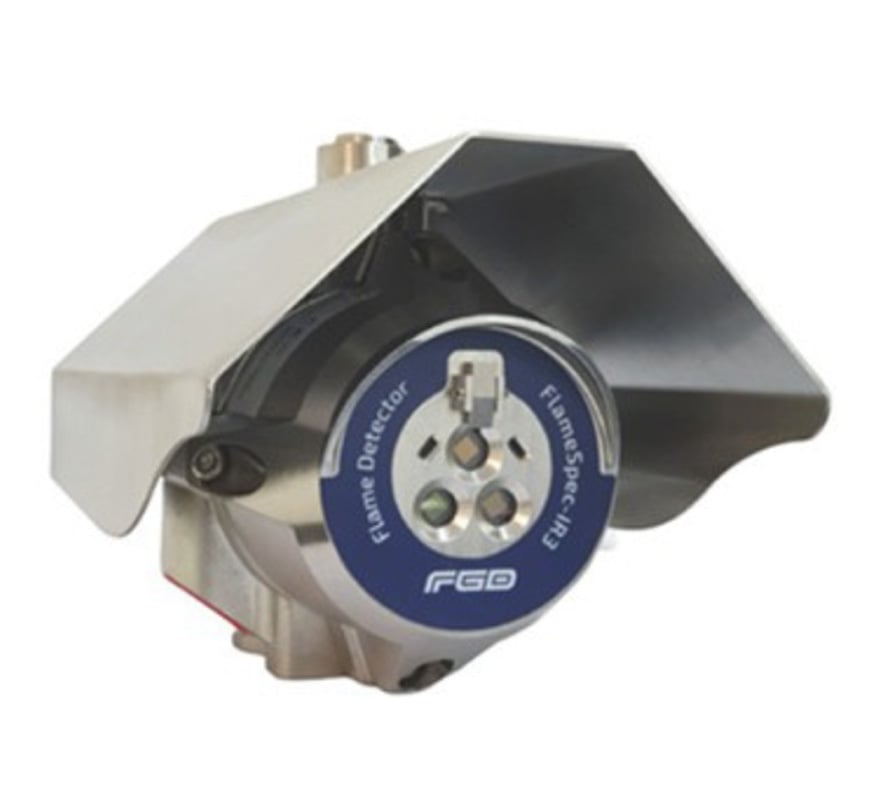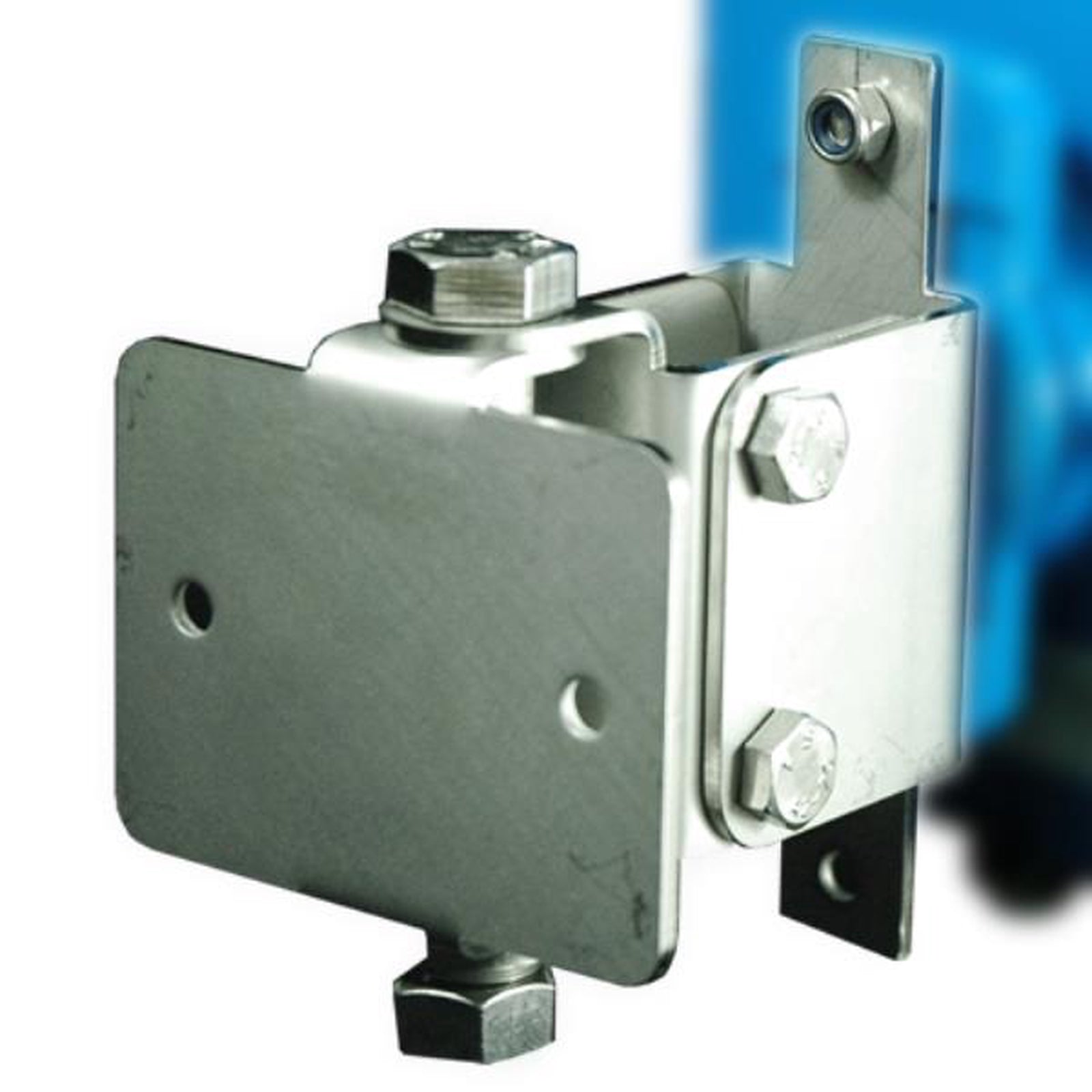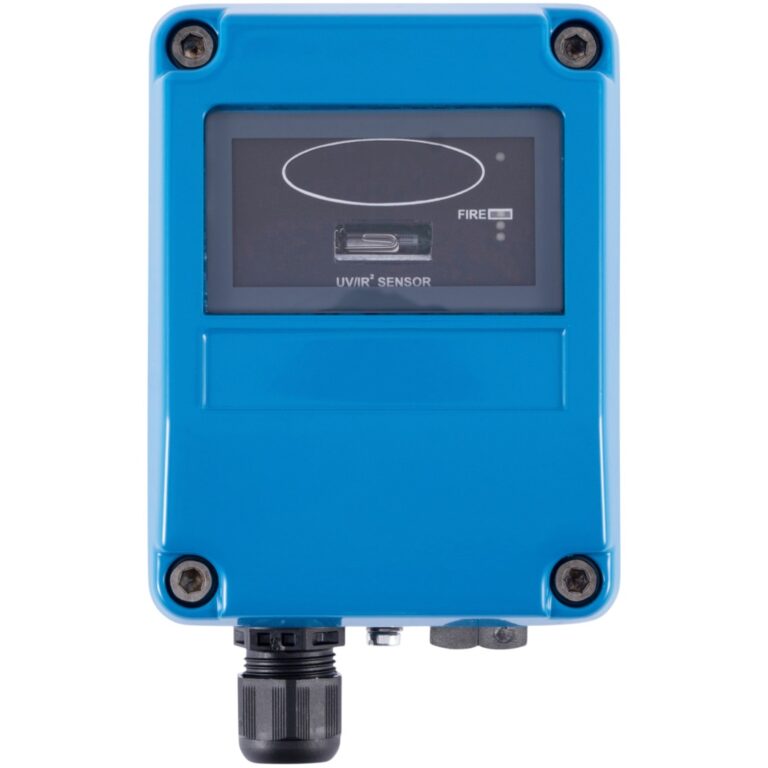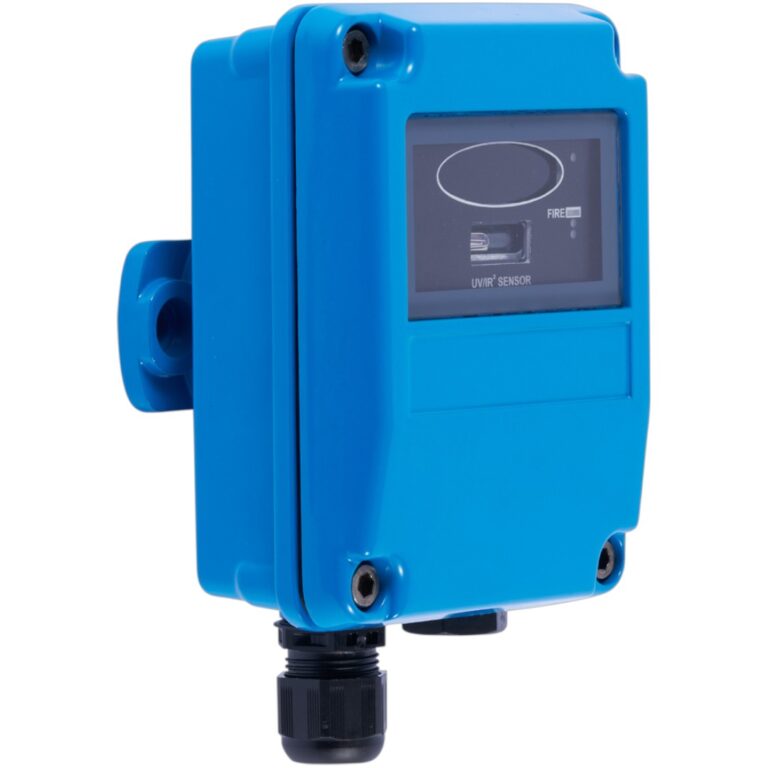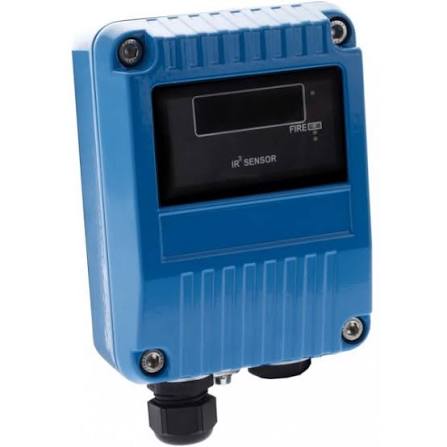
Buy flame detectors for fast detection of open flaming fires in industrial and hazardous areas: triple IR (IR3), dual IR, UV and UV/IR detectors in standard, flameproof (Ex d), intrinsically safe (I.S.) and marine versions, plus test lamps, brackets and weather shields.
Flame detectors we stock
- Apollo – XP95 addressable detectors (XP95 IR3, XP95 UV/IR2 base mounted), conventional and Series 65 UV models, flameproof Exd IR3, I.S. IR3 and marine versions such as the XP95 Marine IR3.
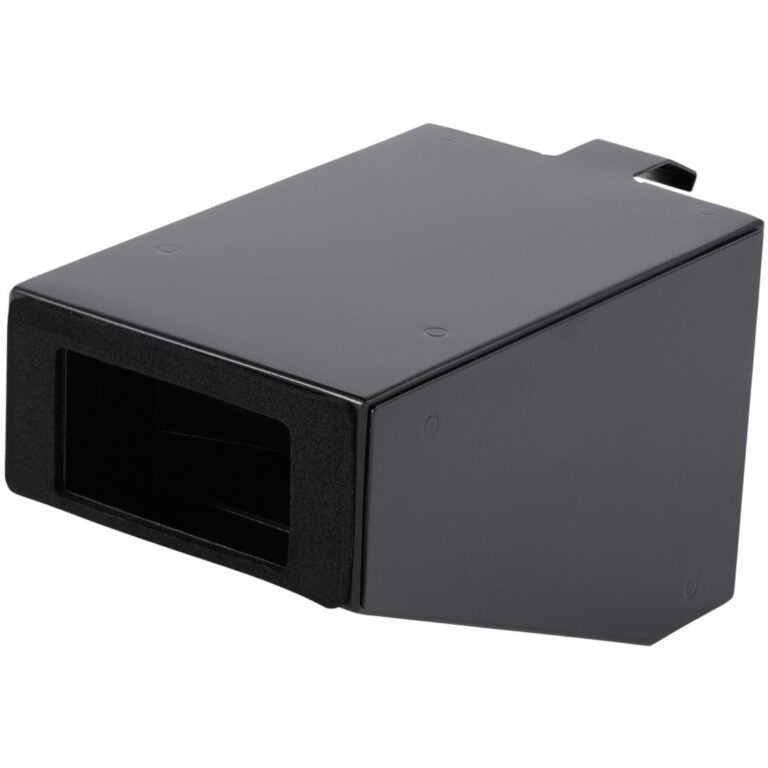
- Honeywell – the FS20X IR2/UV (60 m, Zone 1), FS24X triple IR and FSL100 range for Zone 2/22 (FSL100-IR3, FSL100-UVIR, FSL100-UV), with sunshields, air shields and swivel mounts.
- Talentum – IR2, IR3 and UV/IR2 detectors in standard, Ex d (UV/IR2 Ex d) and I.S. housings, with air purges, weather shields and brackets.
- Fike – triple IR detectors for hydrocarbon or hydrogen fires, UV/IR detectors and HD video output models, plus air shields, weather covers and stainless steel mounts.
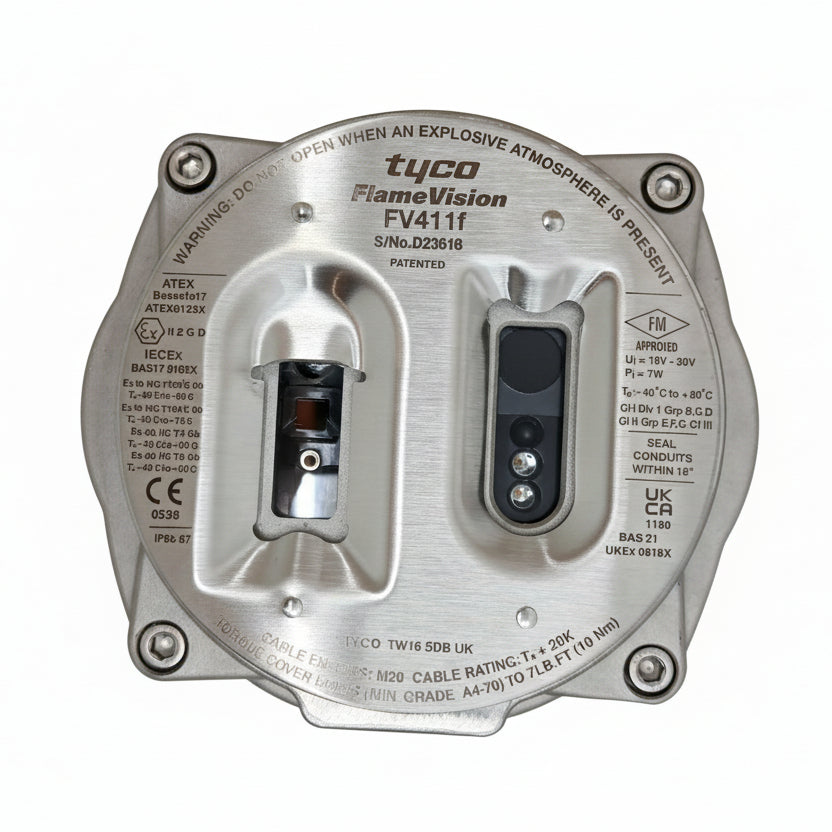
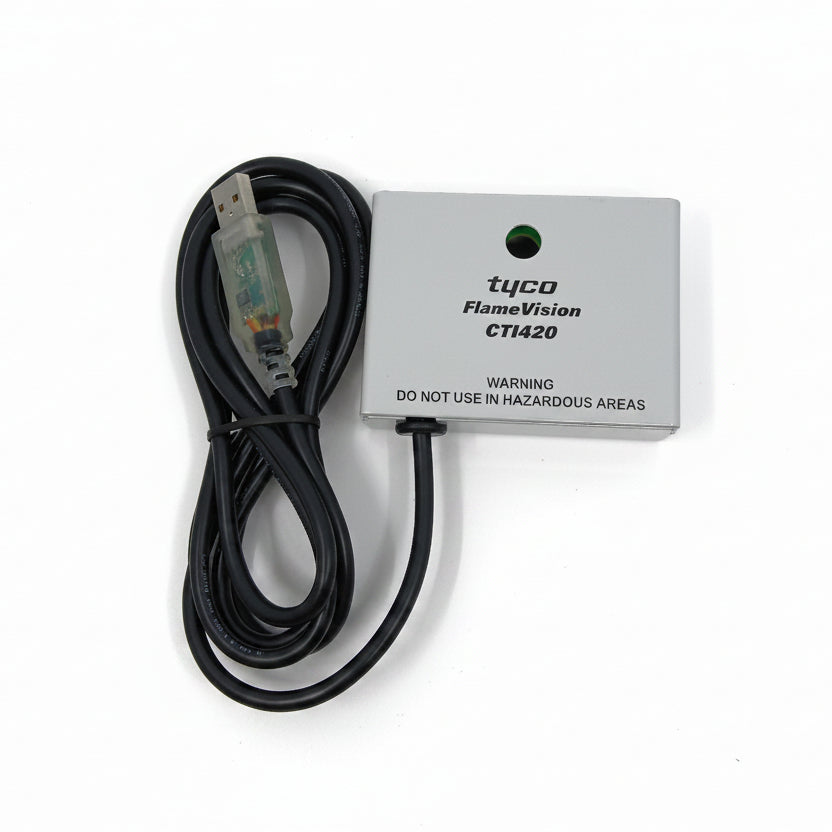
- Hochiki, FireClass and Nittan – Hochiki IFD-E IR³ (explosion-proof) and conventional DRD-E and marine DRD-EM, FireClass FLAMEVision FV411F and intrinsically safe FV421I, the Nittan EVC-IR and the SENSE-WARE IR3.
How to choose a flame detector
- Sensor type. Triple IR detectors offer strong false-alarm immunity and see through smoke and light contamination. UV detectors respond quickly in clean, enclosed areas but can be triggered by arc welding. UV/IR detectors need both signals to alarm, reducing false alarms.
- Fuel. Check which fires each model is designed for. Some are for hydrocarbon fires only, while hydrogen versions such as the Fike IR3-H2 detect near-invisible hydrogen flames.
- Area classification. In zoned areas use Ex d (flameproof) or I.S. detectors rated for the zone; I.S. detectors need a suitable barrier or isolator.
- Range and panel. Check the detection distance and field of view, and whether you need an addressable detector such as Apollo XP95 or a conventional one.
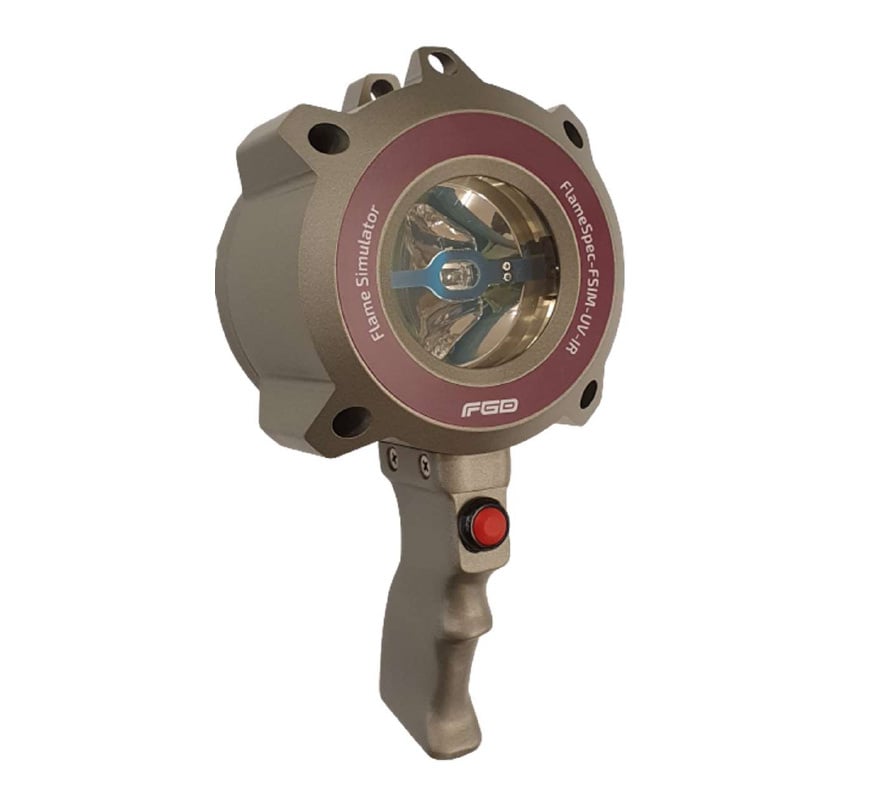
- Testing. Plan for a compatible test source, such as the Talentum Test Torch, Honeywell TL-2055 hazardous area lamp, SENSE-WARE UV/IR test lamp or Fike FlameSpec simulator kit.
Why buy from JEM Systems UK
JEM Systems UK is a trade-focused fire and security distributor supplying genuine Apollo, Honeywell, Fike and Hochiki flame detectors, all brand new and factory sealed, to installers across the UK. Order detectors, mounts and test equipment alongside heat detectors, beam and aspirating detection and detector testers, with fast, tracked UK delivery.
Flame detector FAQs
What is a flame detector used for?
A flame detector responds to the optical radiation from a flame rather than to smoke or heat. It is used where fire can develop quickly with little smoke, such as fuel stores, spray booths, aircraft hangars, generator rooms and petrochemical sites.
How does a flame detector work?
Optical sensors look for the wavelengths flames emit, such as the 4.3 µm infrared band from hydrocarbon fires, and for the 1–15 Hz flicker typical of flames. Checking several signals lets the detector ignore sunlight, hot objects and lighting.
How do you test a flame detector?
Use a test lamp or flame simulator matched to the detector type and, in hazardous areas, one rated for the zone. Many detectors also have a built-in self-test. Follow the manufacturer's test procedure.