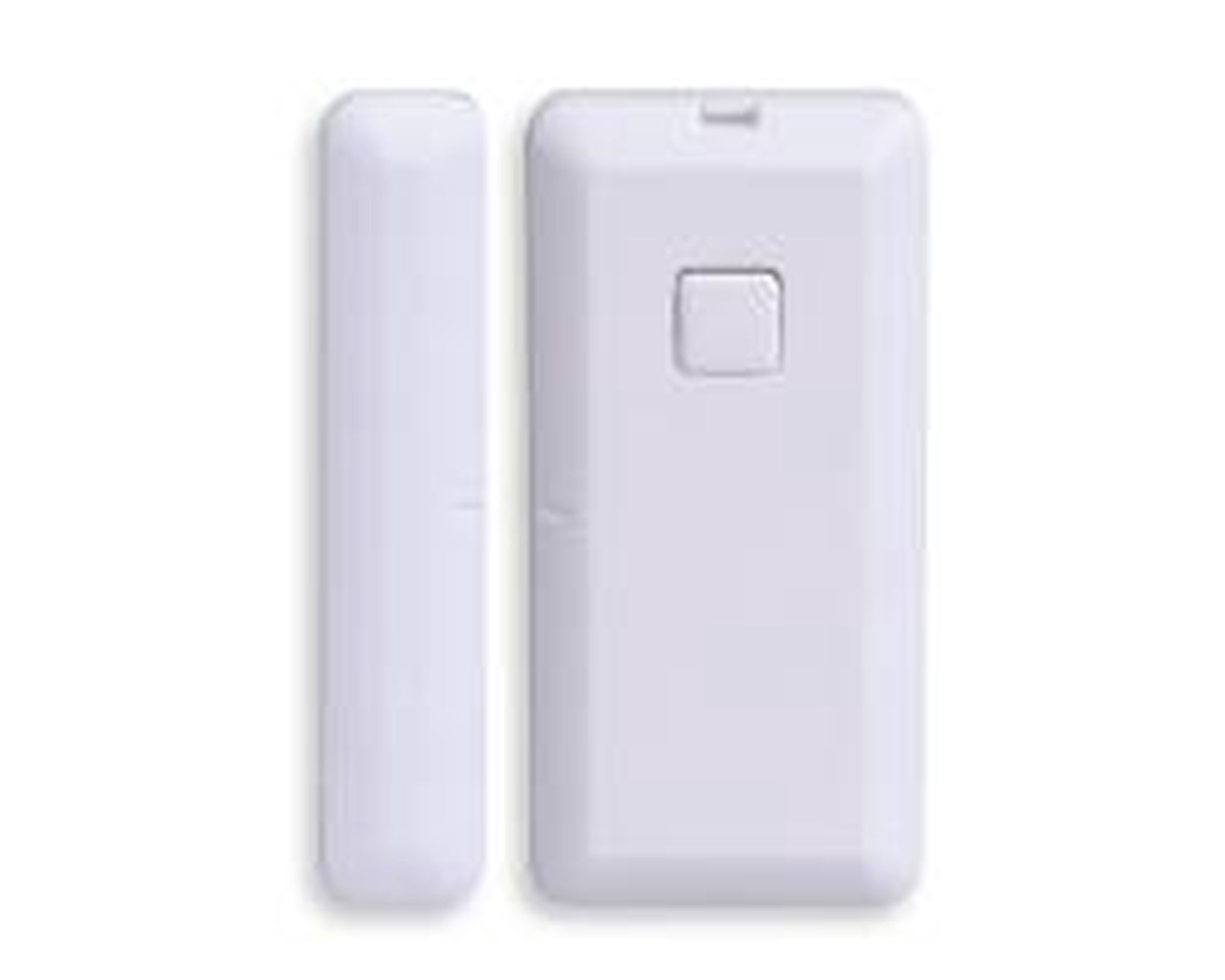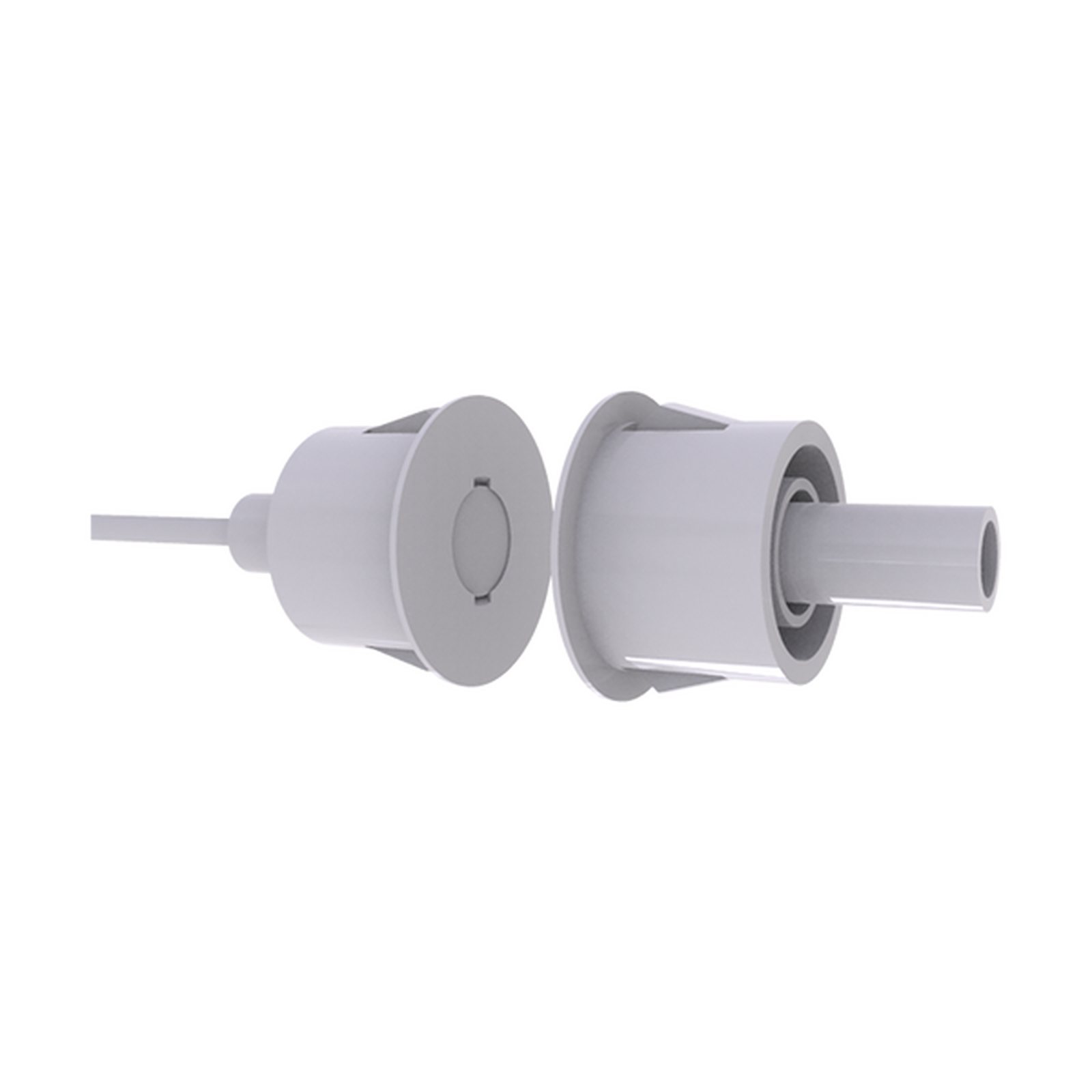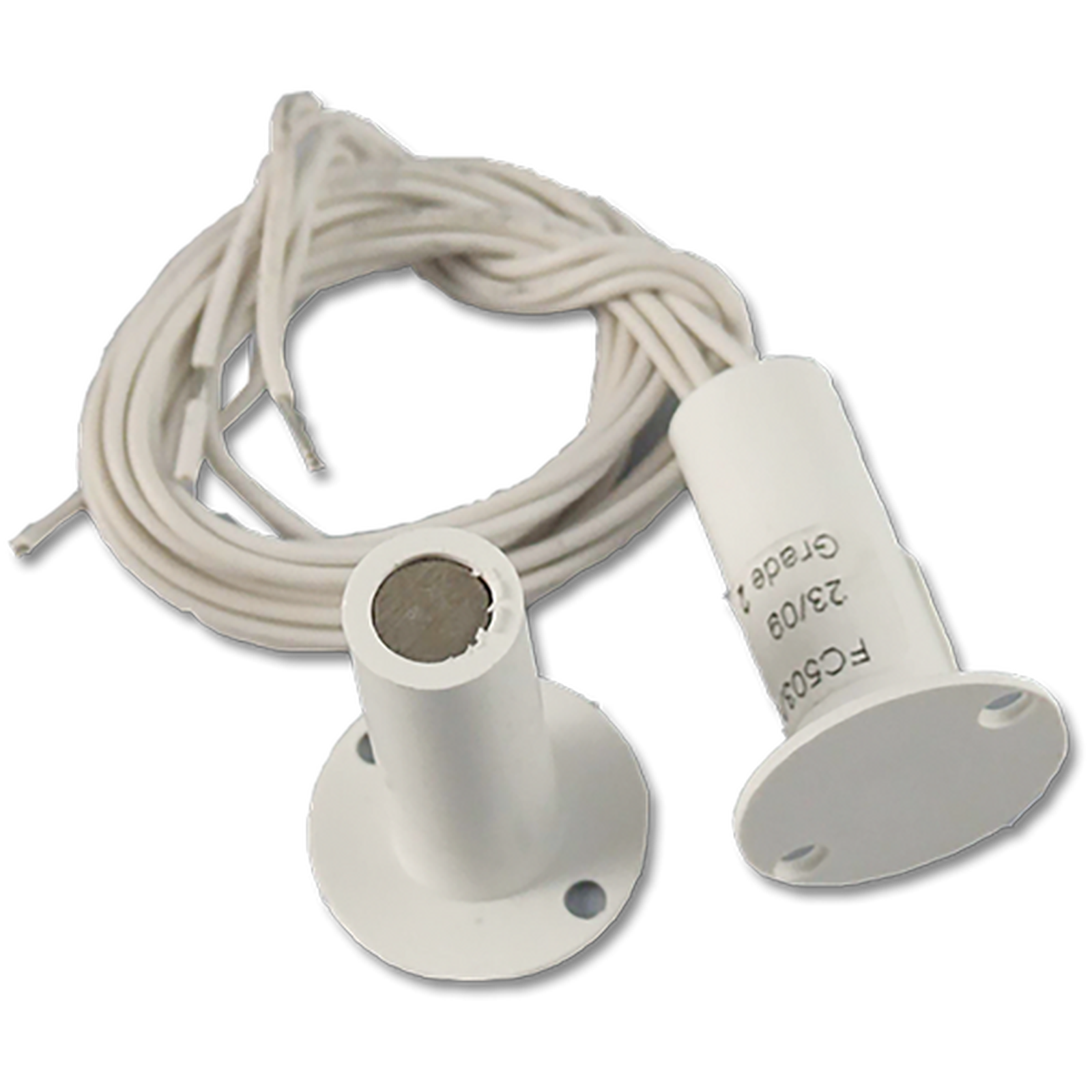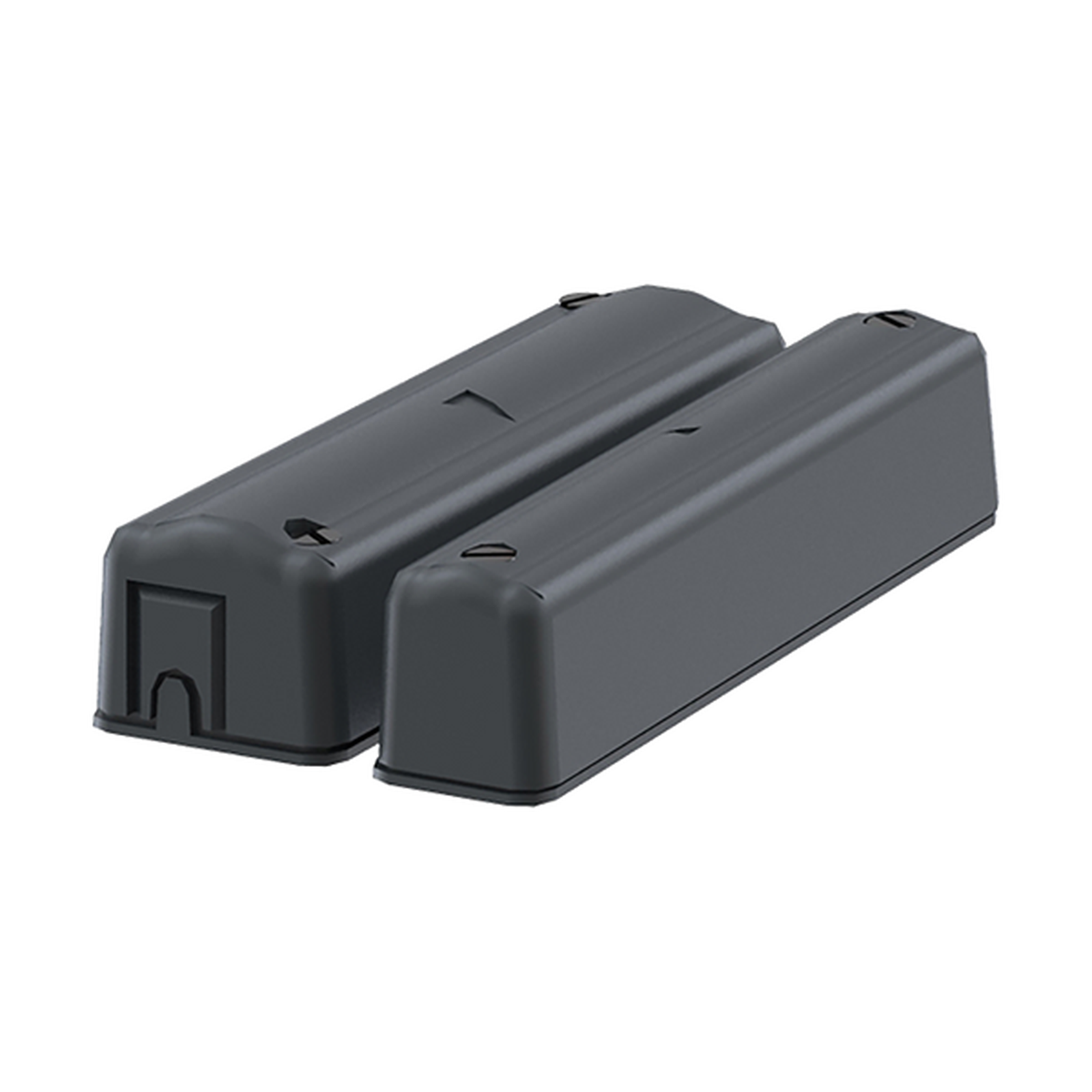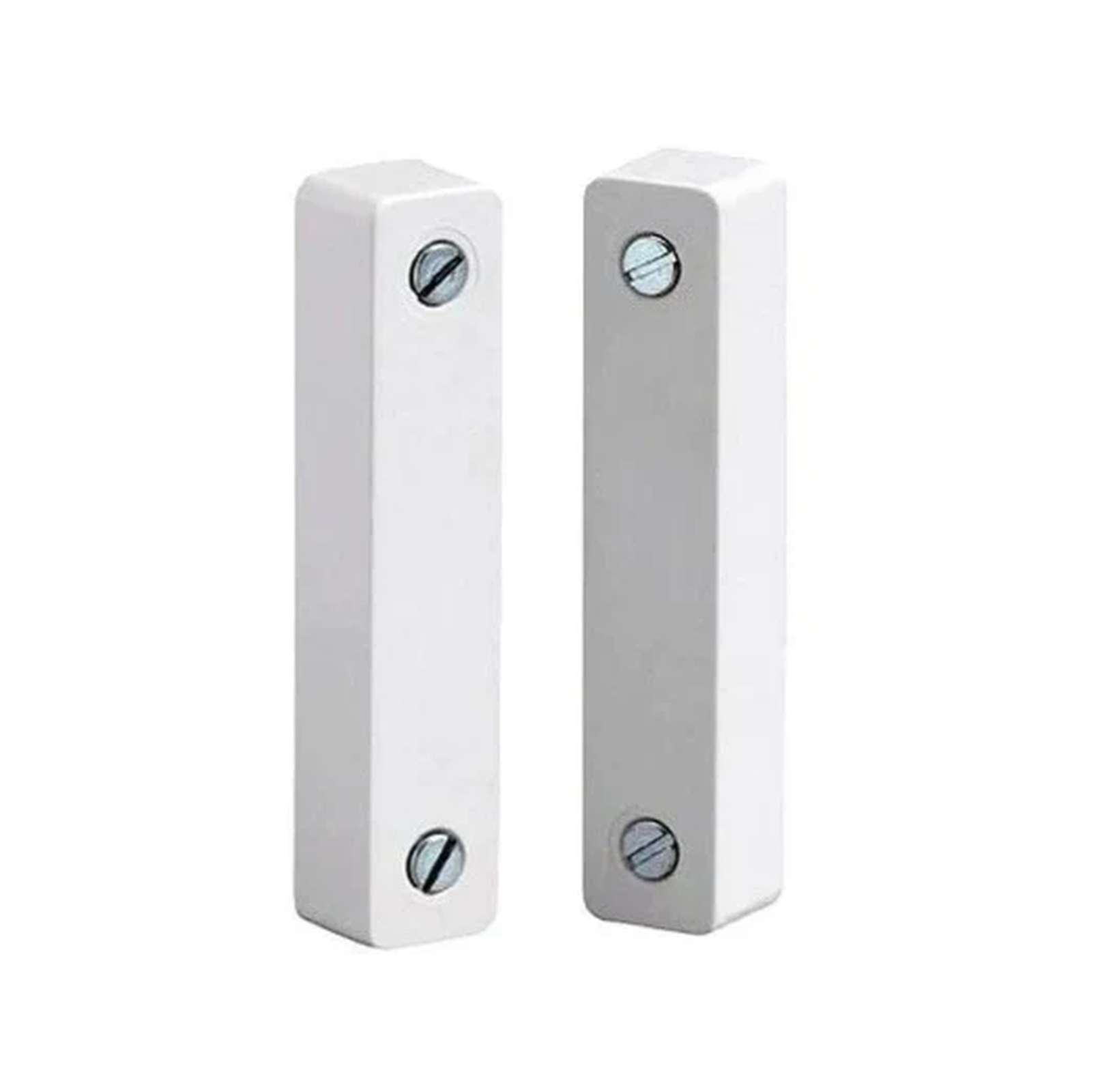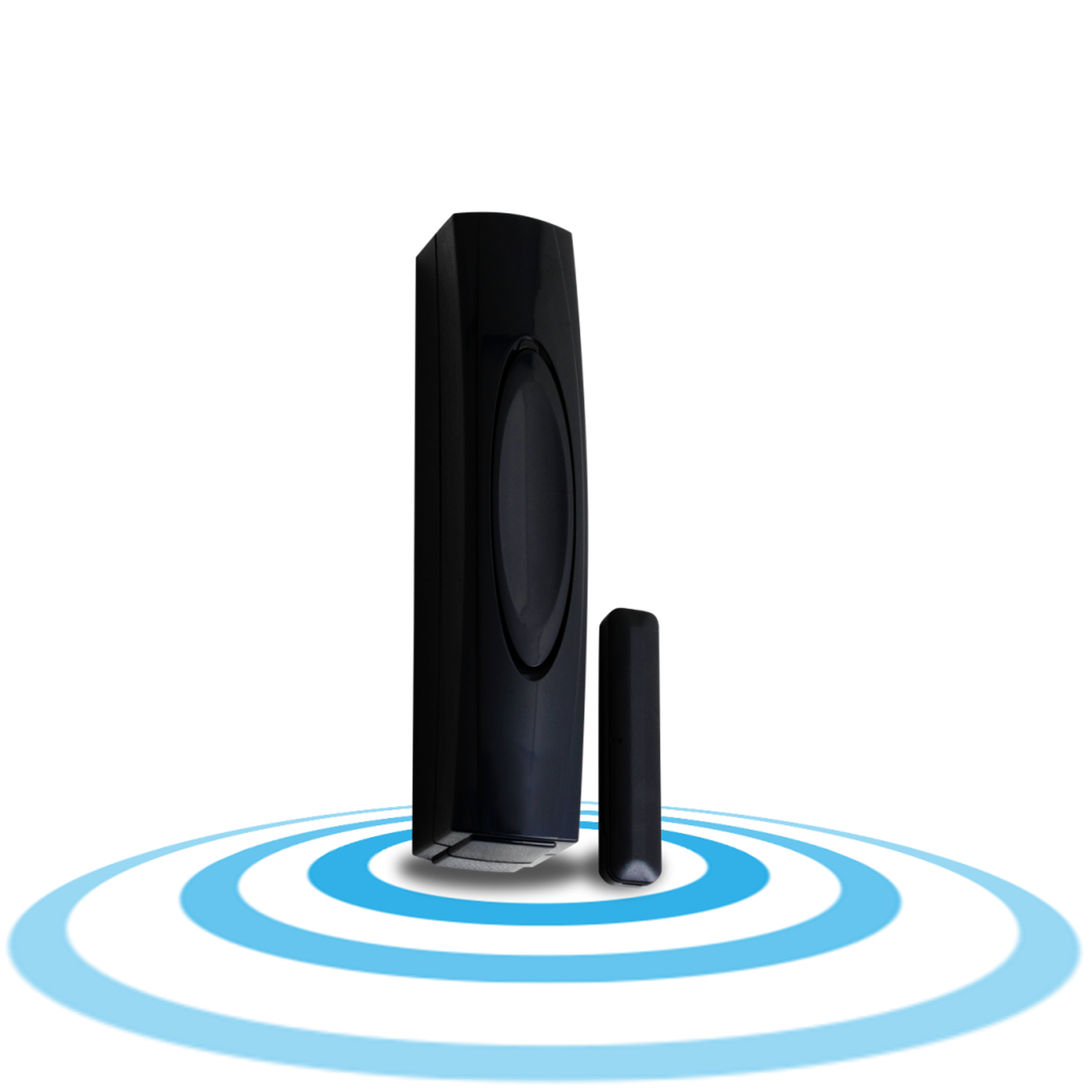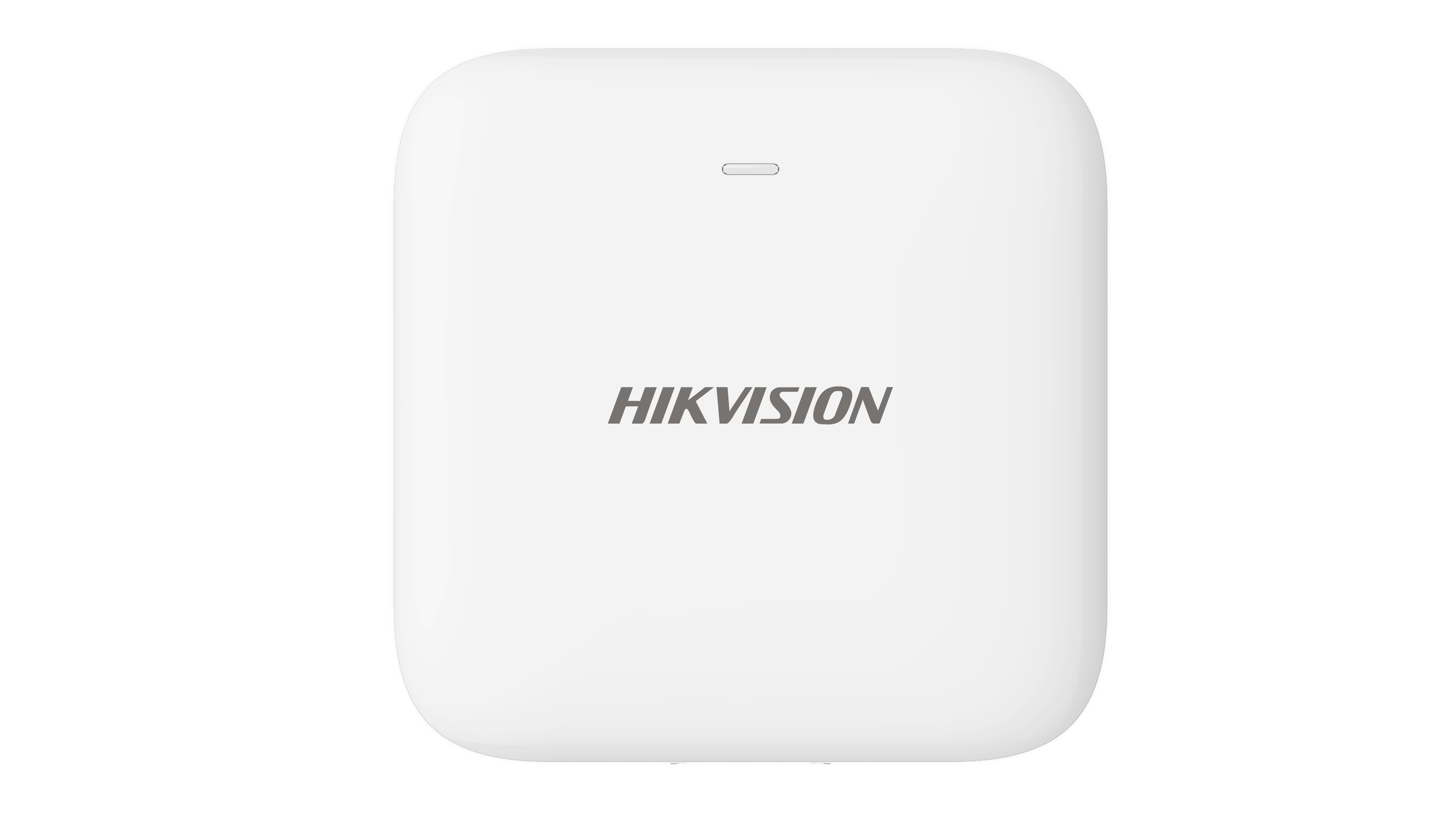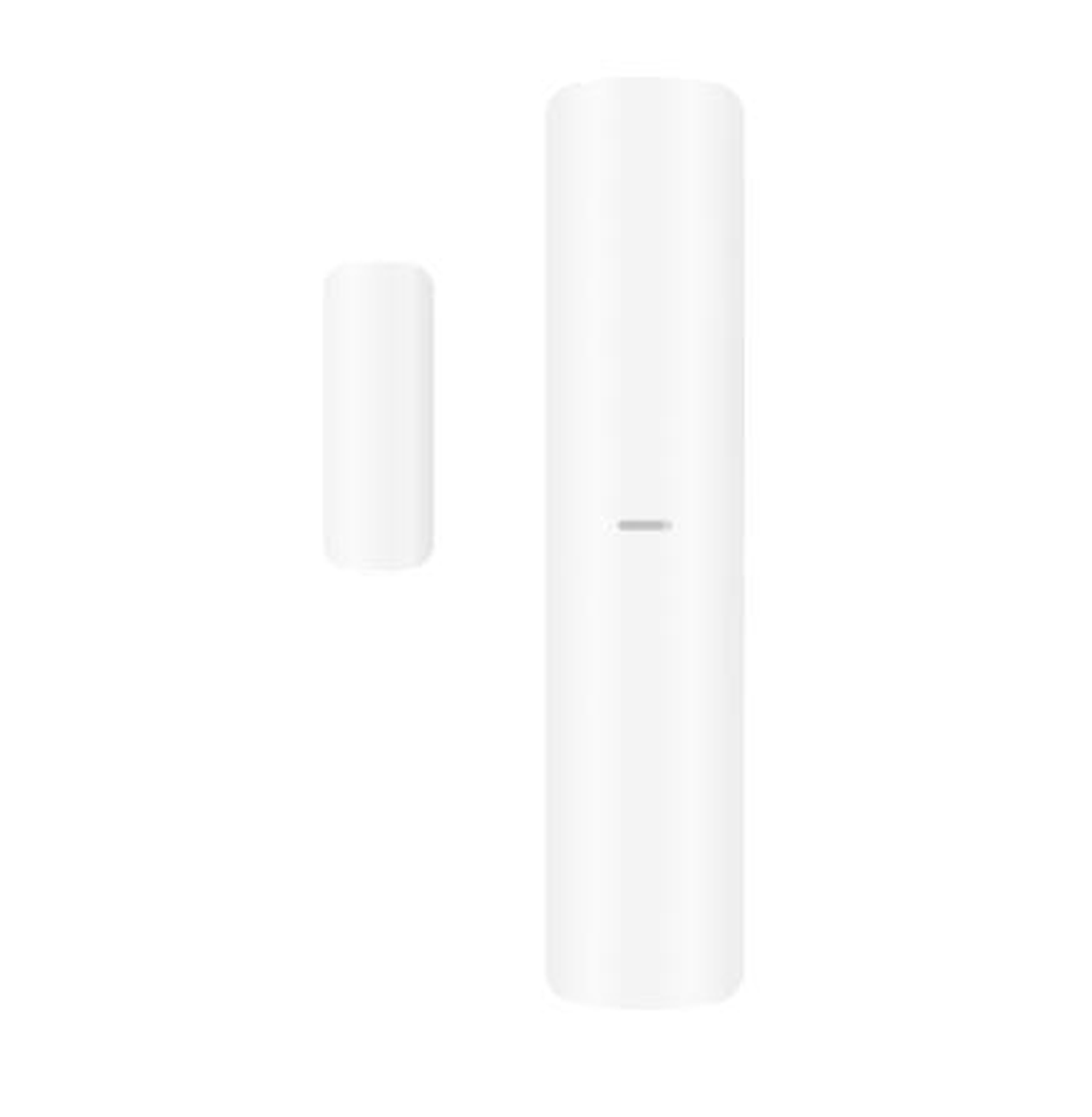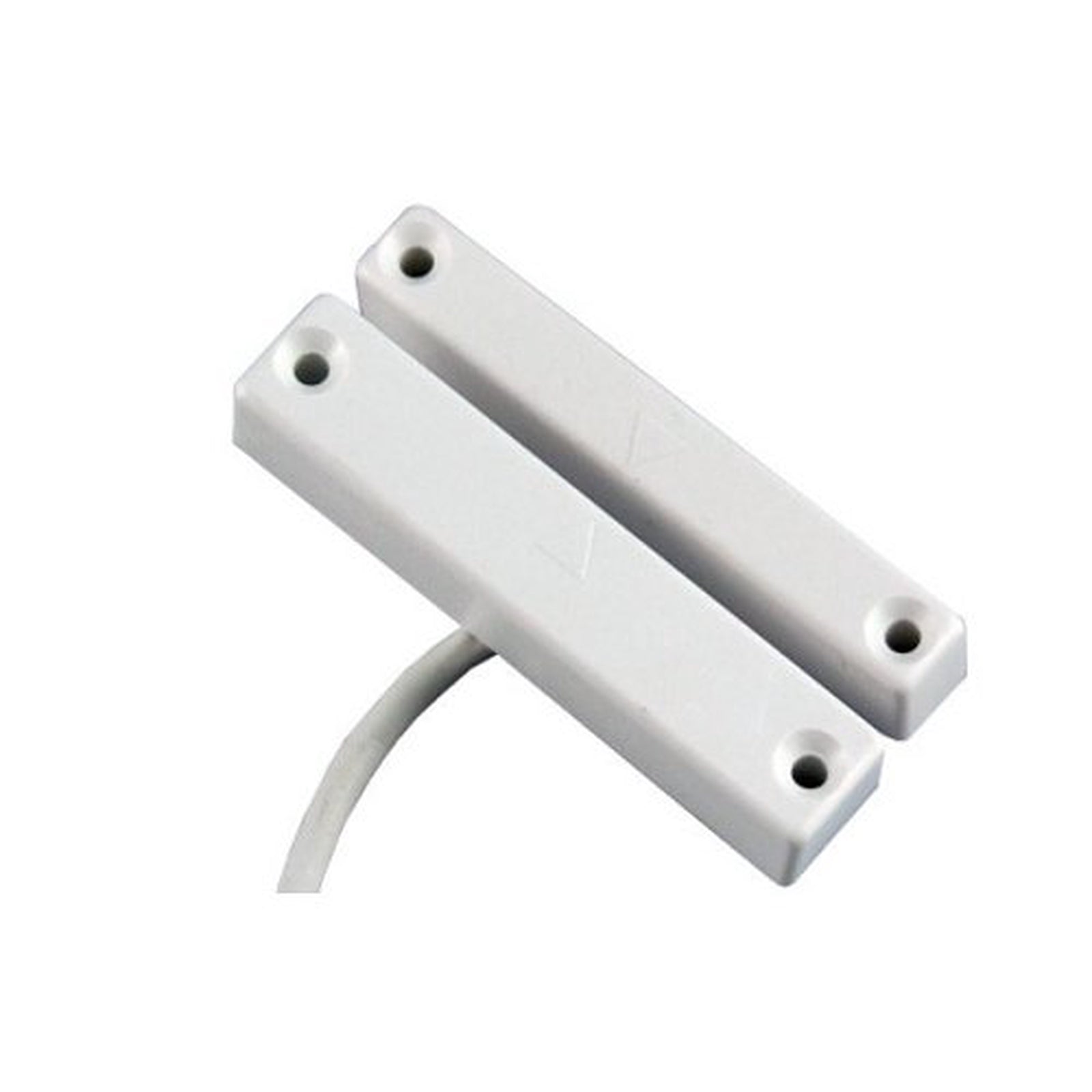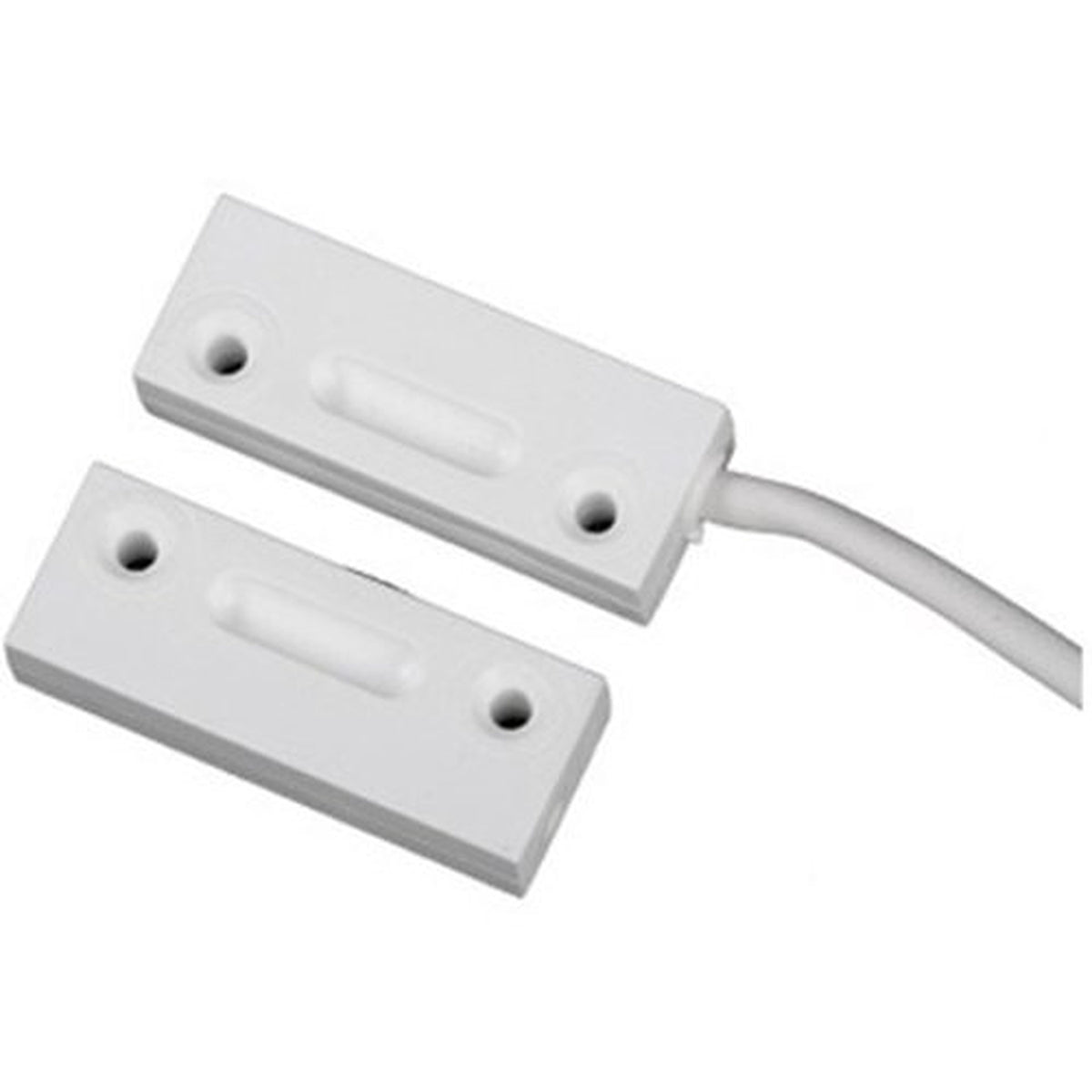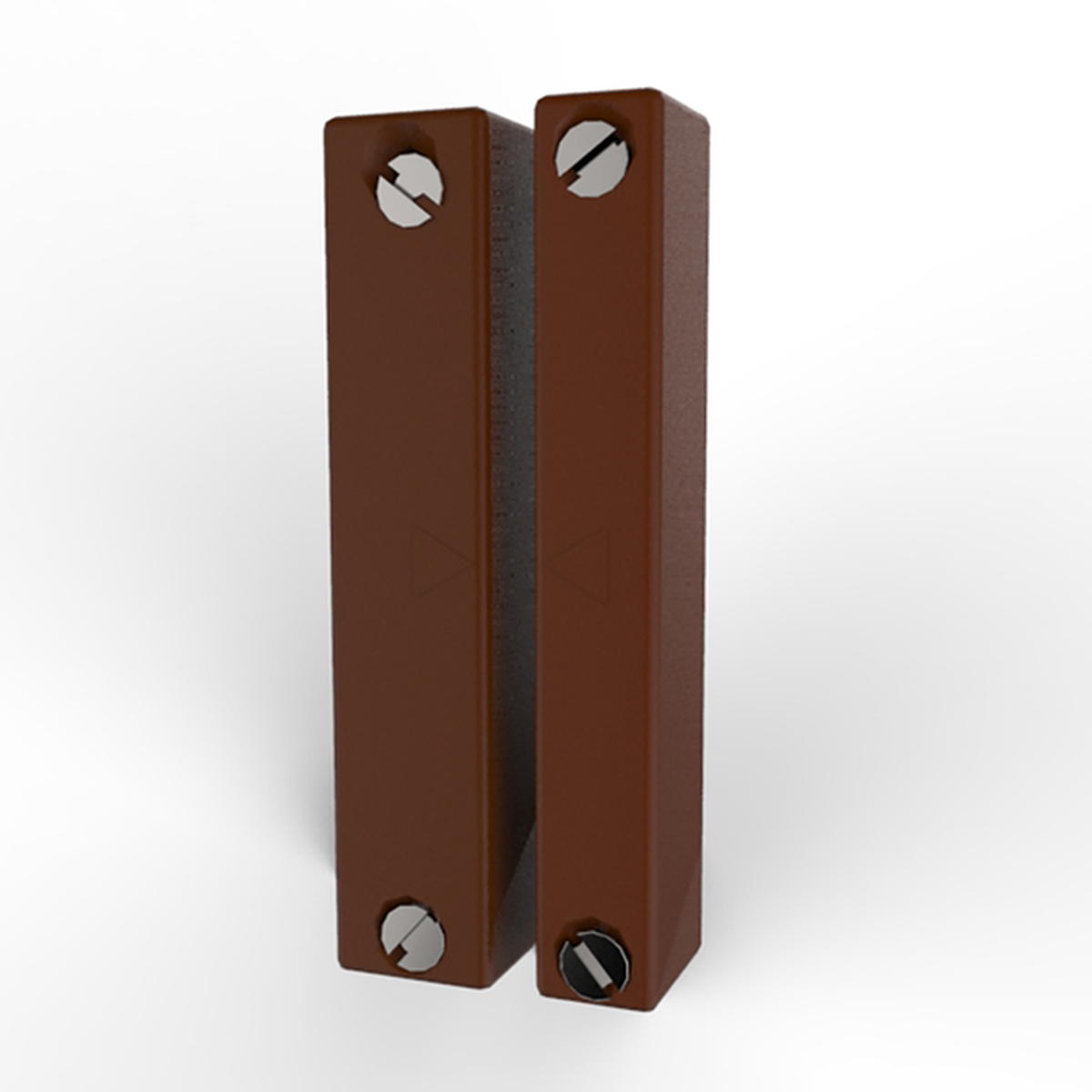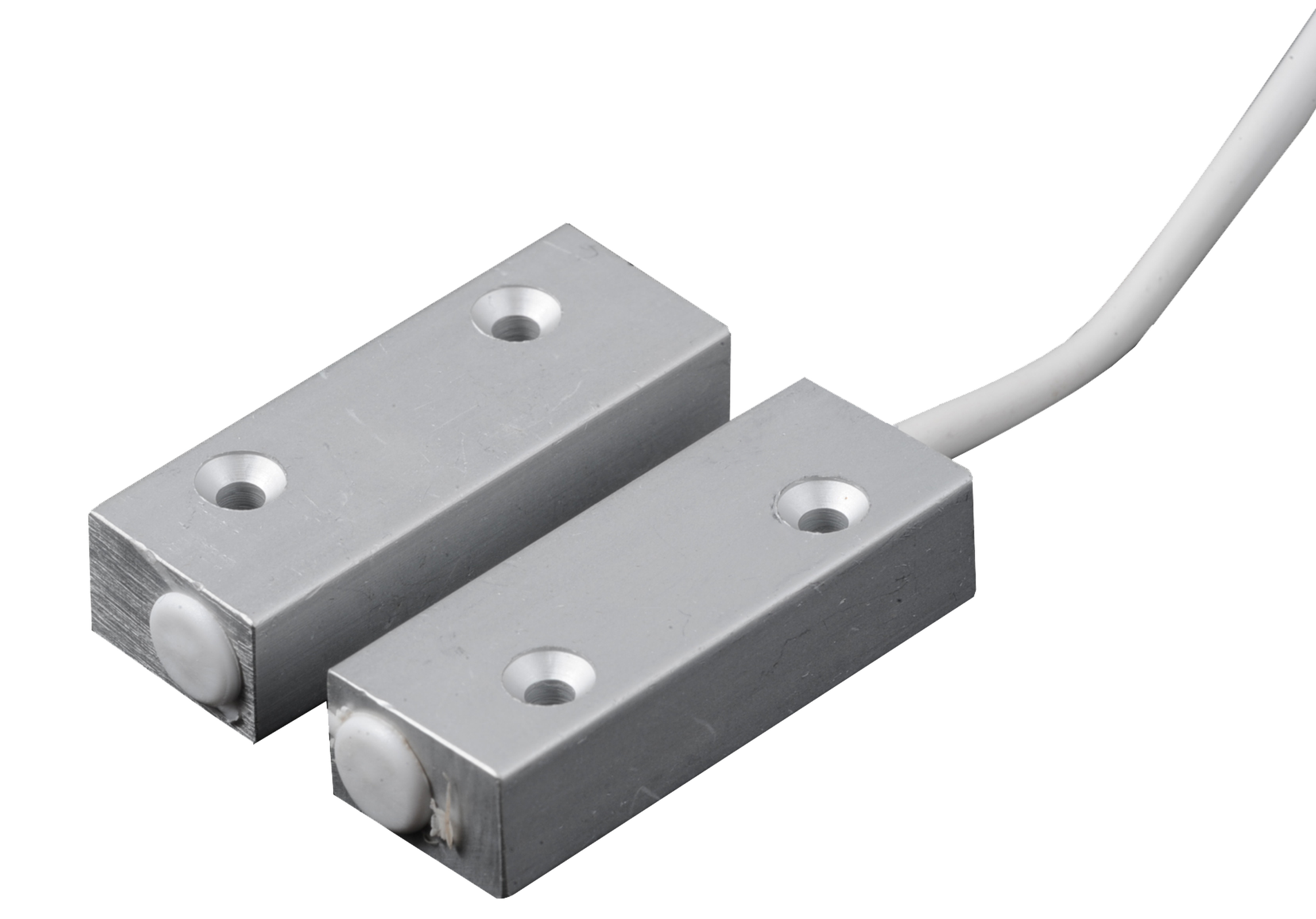
Alarm door contacts and perimeter sensors for intruder alarm systems: flush and surface magnetic contacts, roller shutter contacts, shock sensors, glass break and seismic detectors. Wired and wireless models from Grade 1 to Grade 3.
Door contacts and sensors we stock
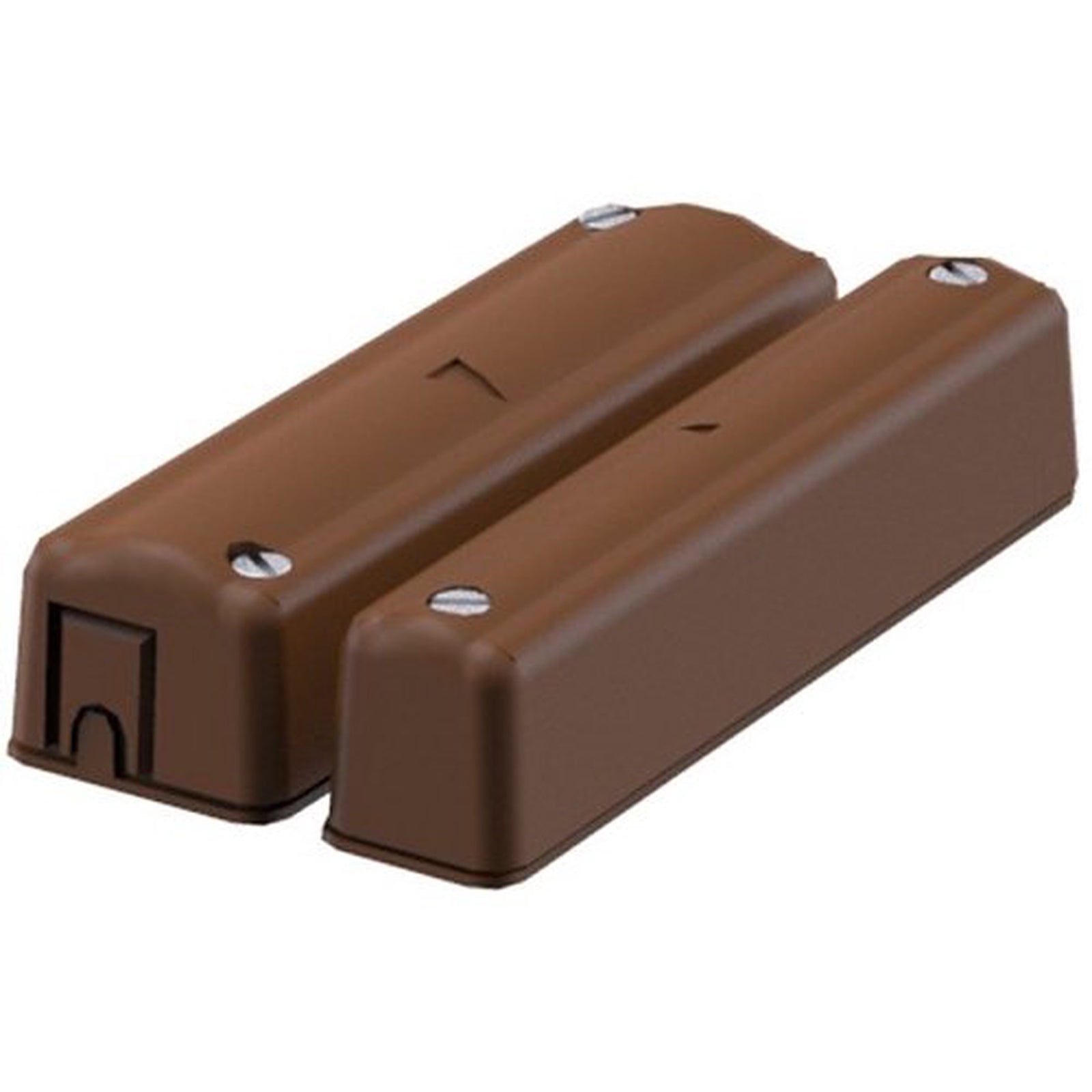
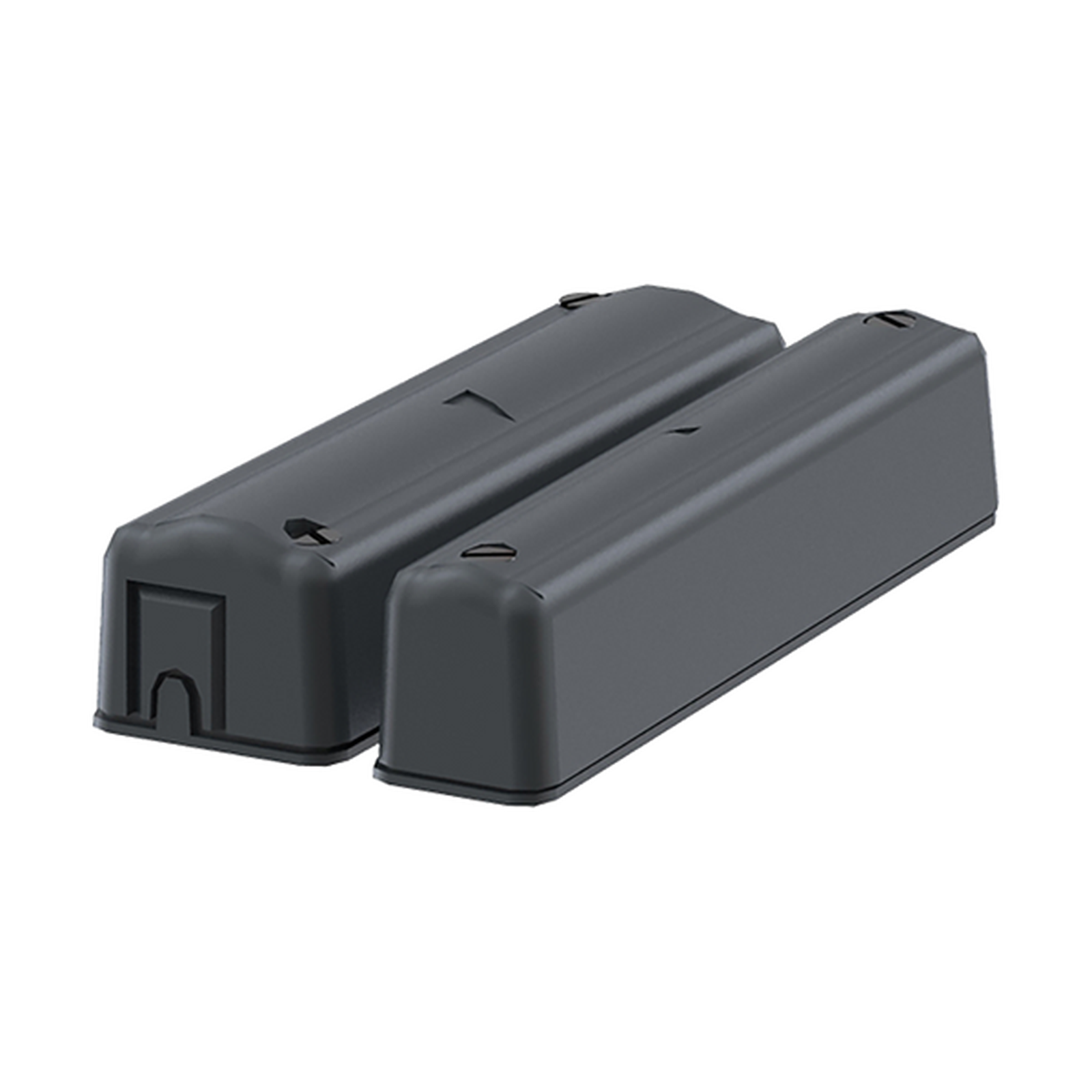
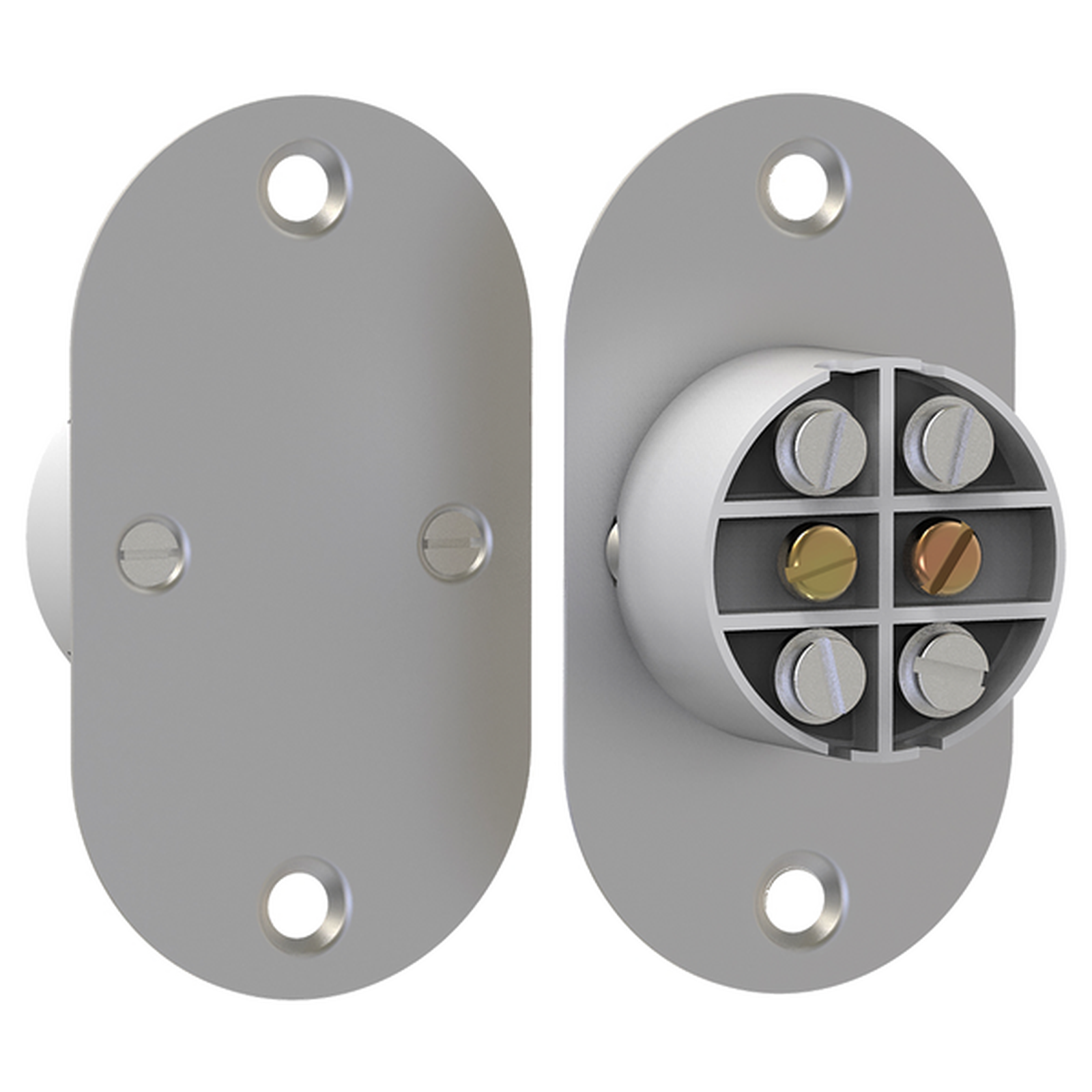
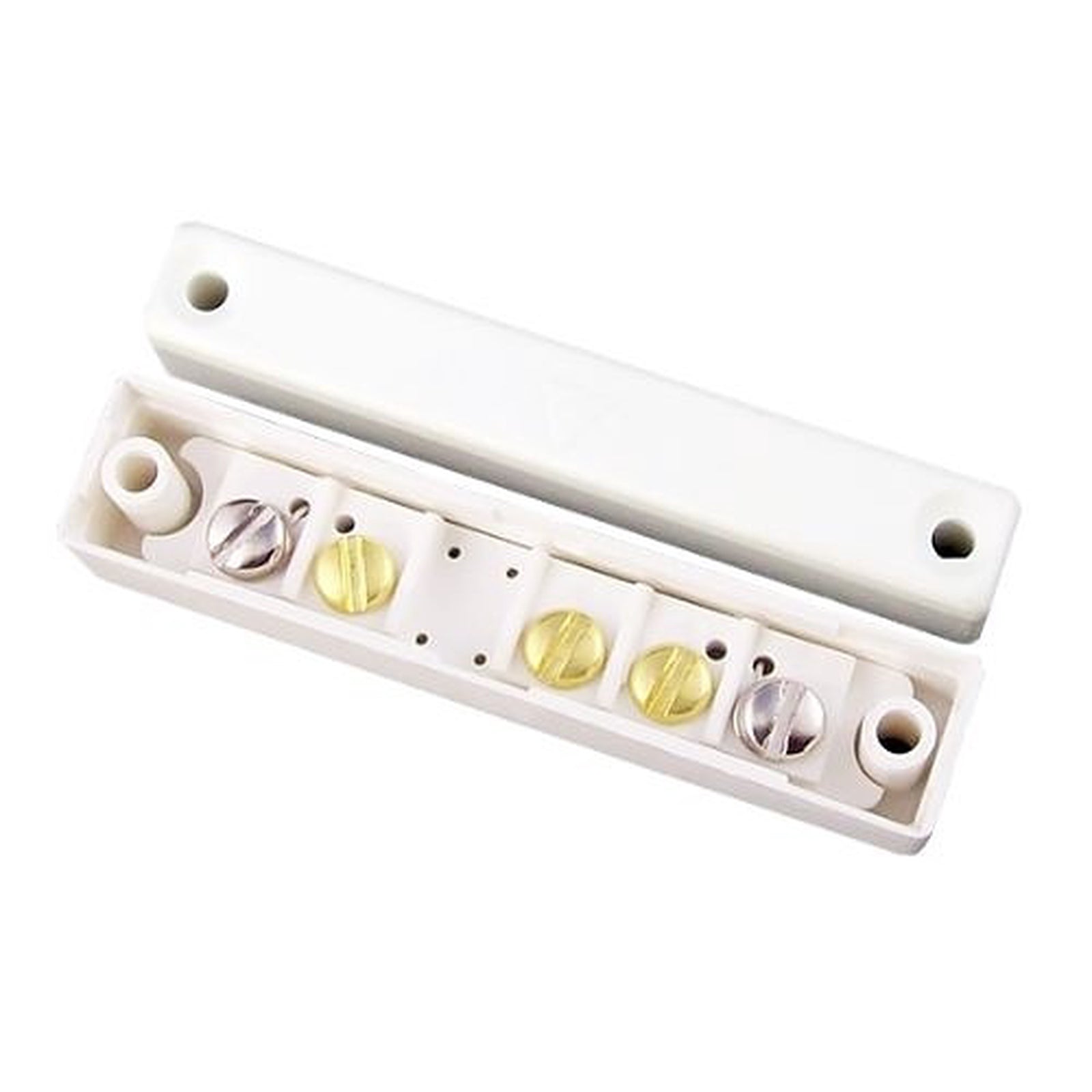
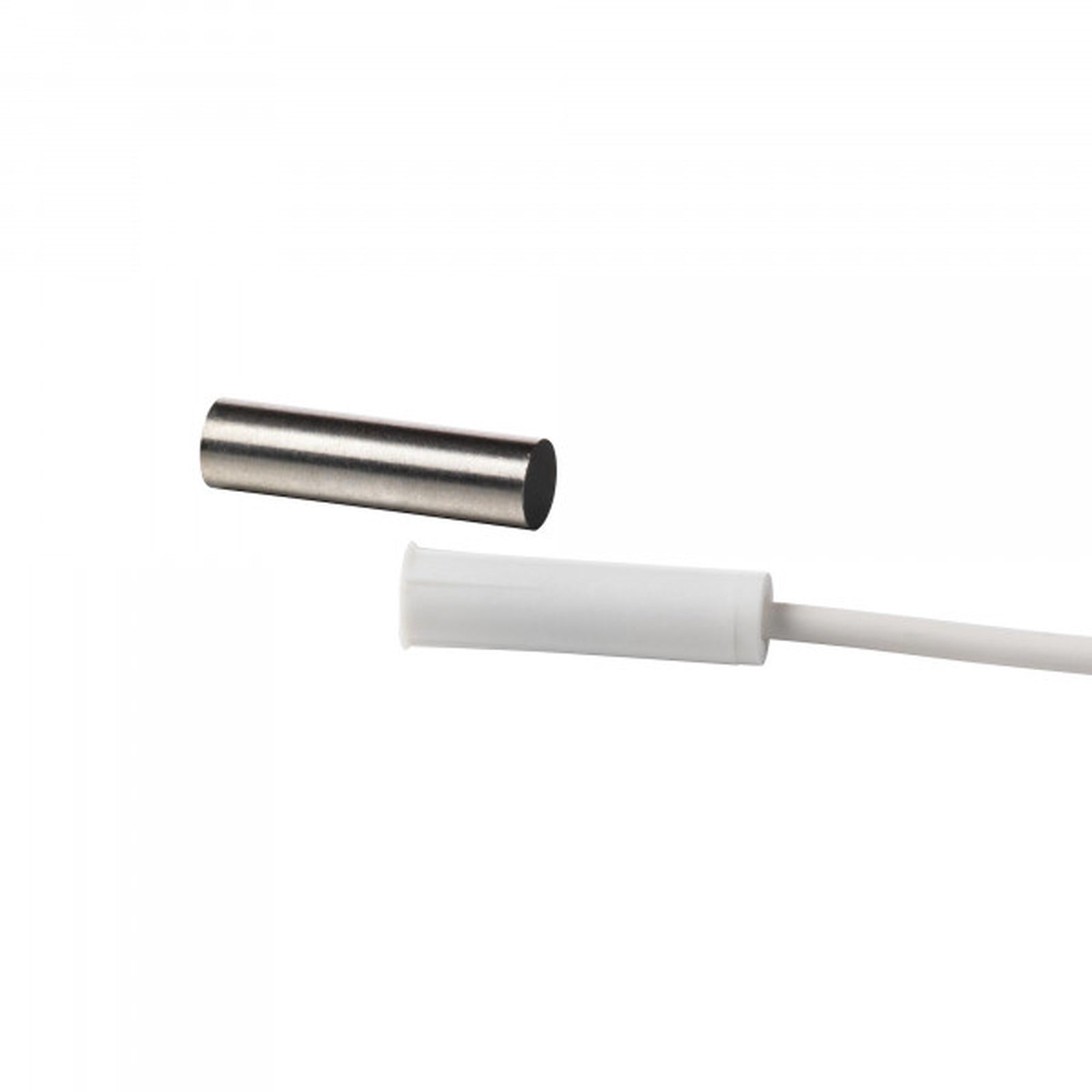
- Flush and surface contacts: CQR flush contacts such as the 4-core flush contact G2, heavy surface contacts like the CQR large surface contact G3, and Eaton wired contacts.
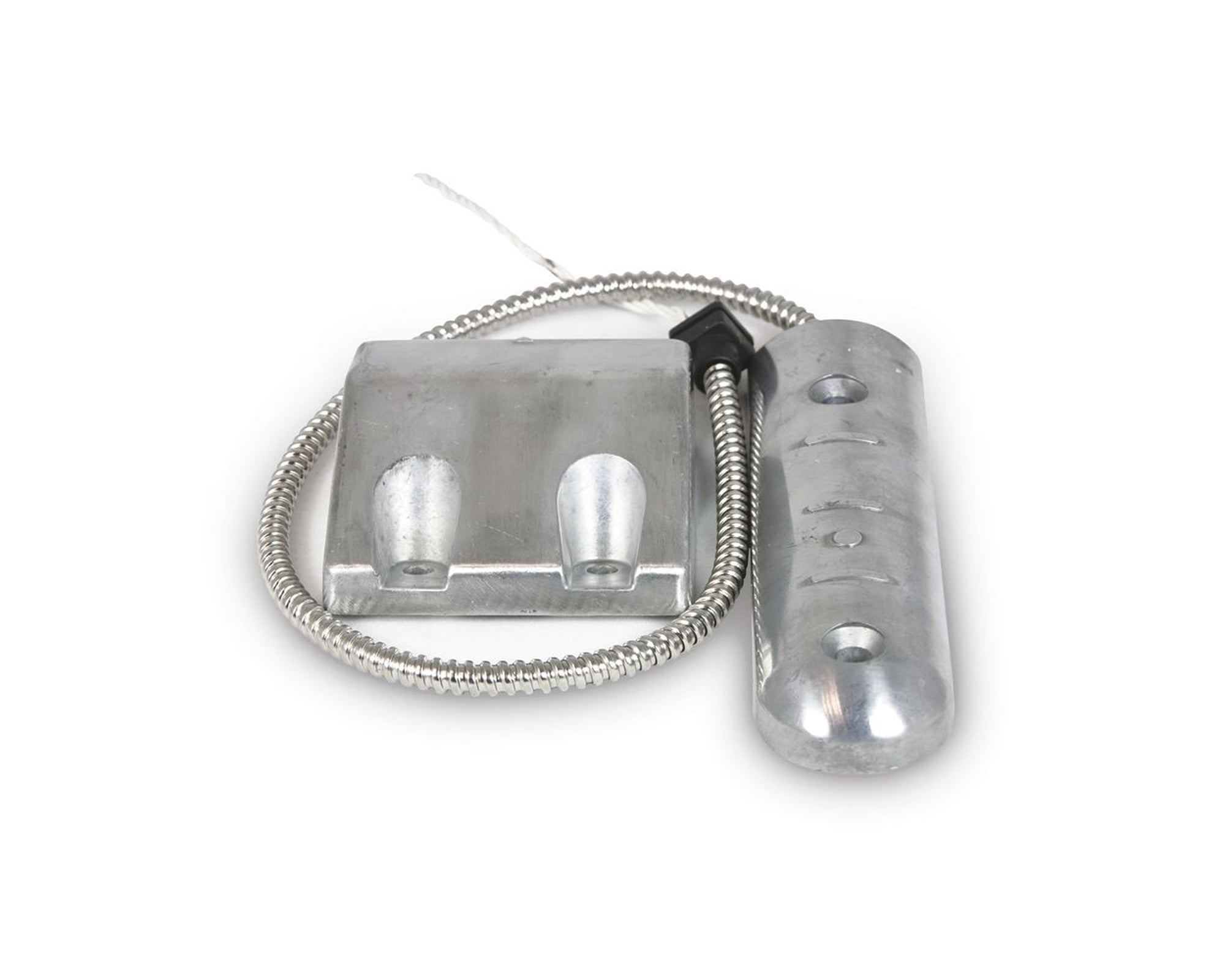
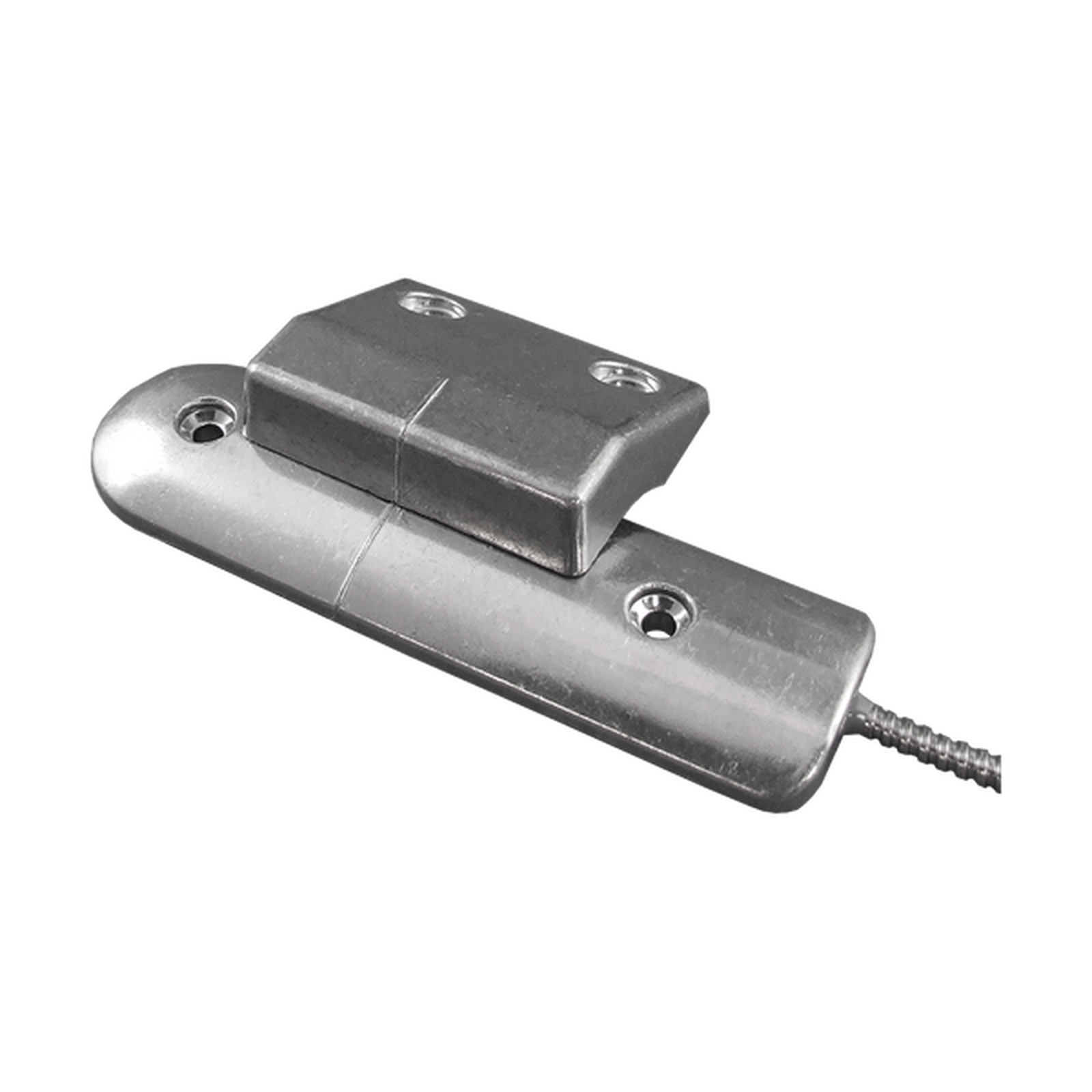
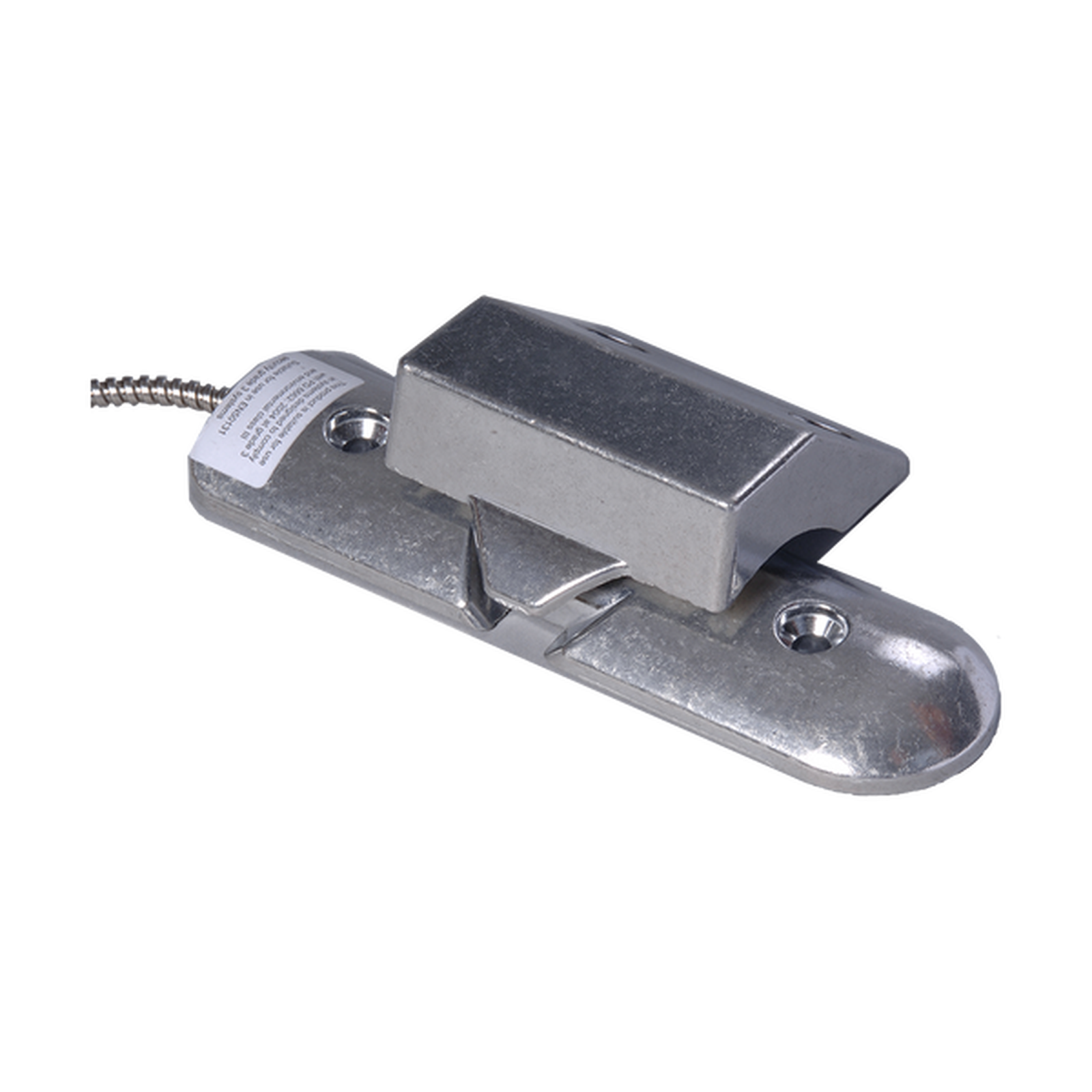
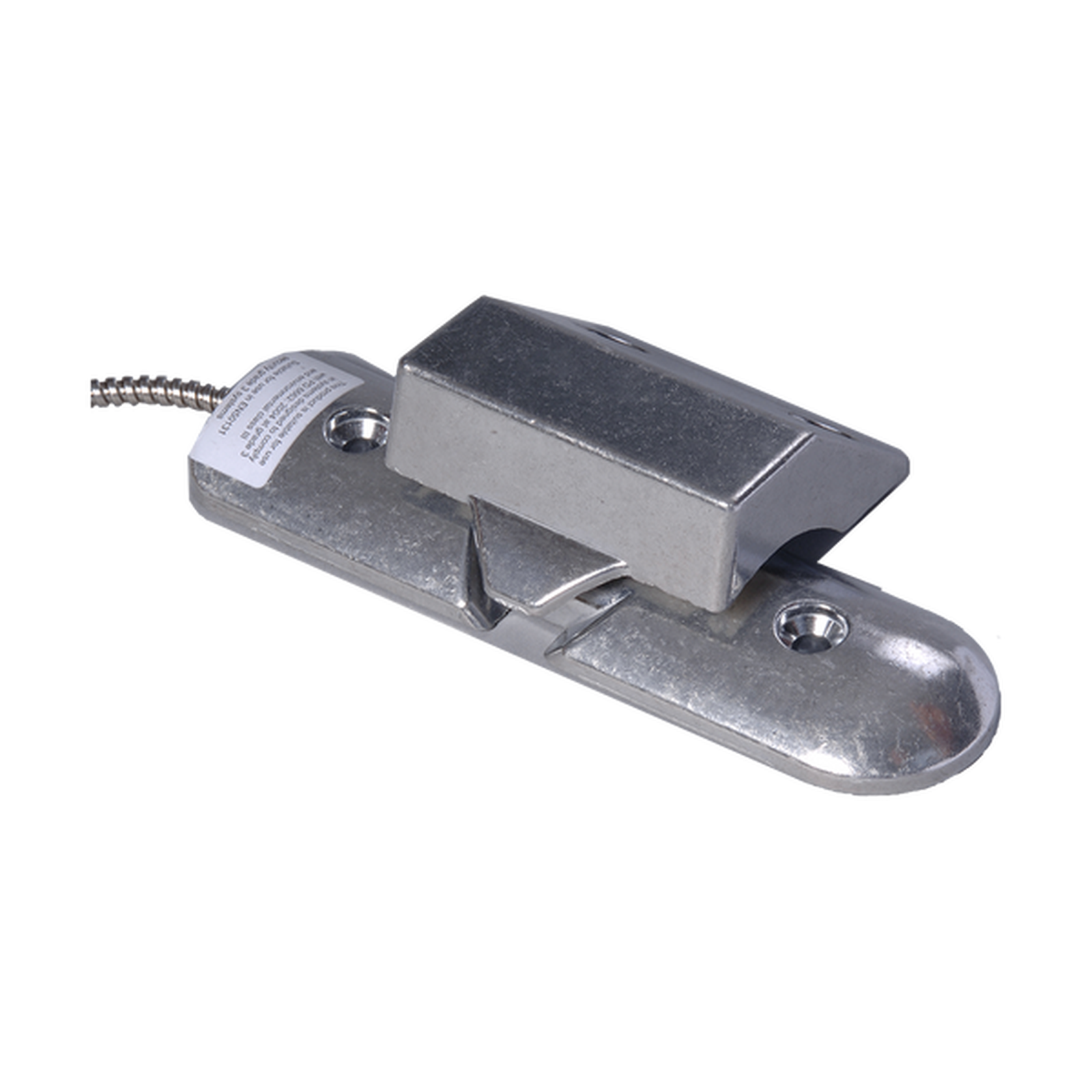
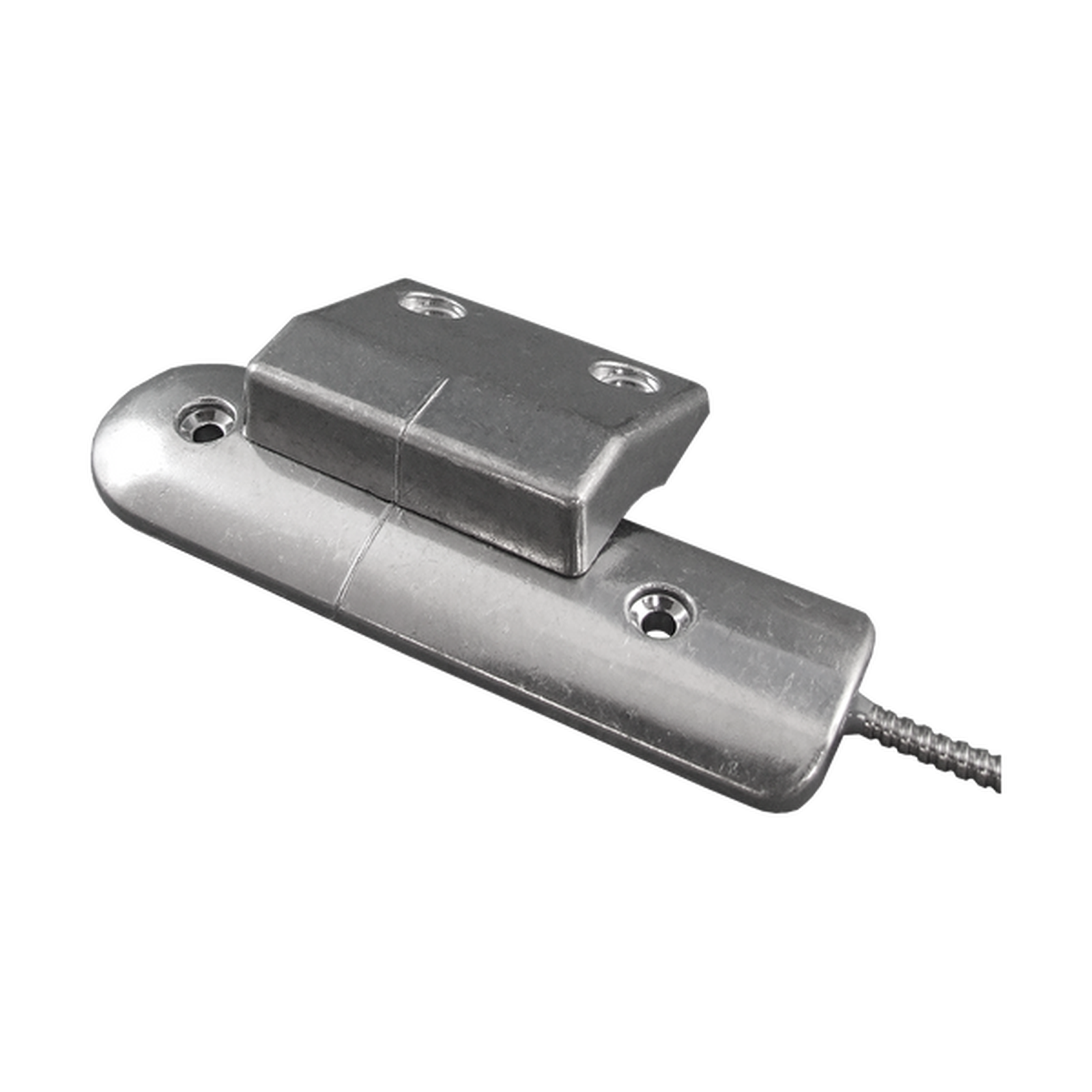
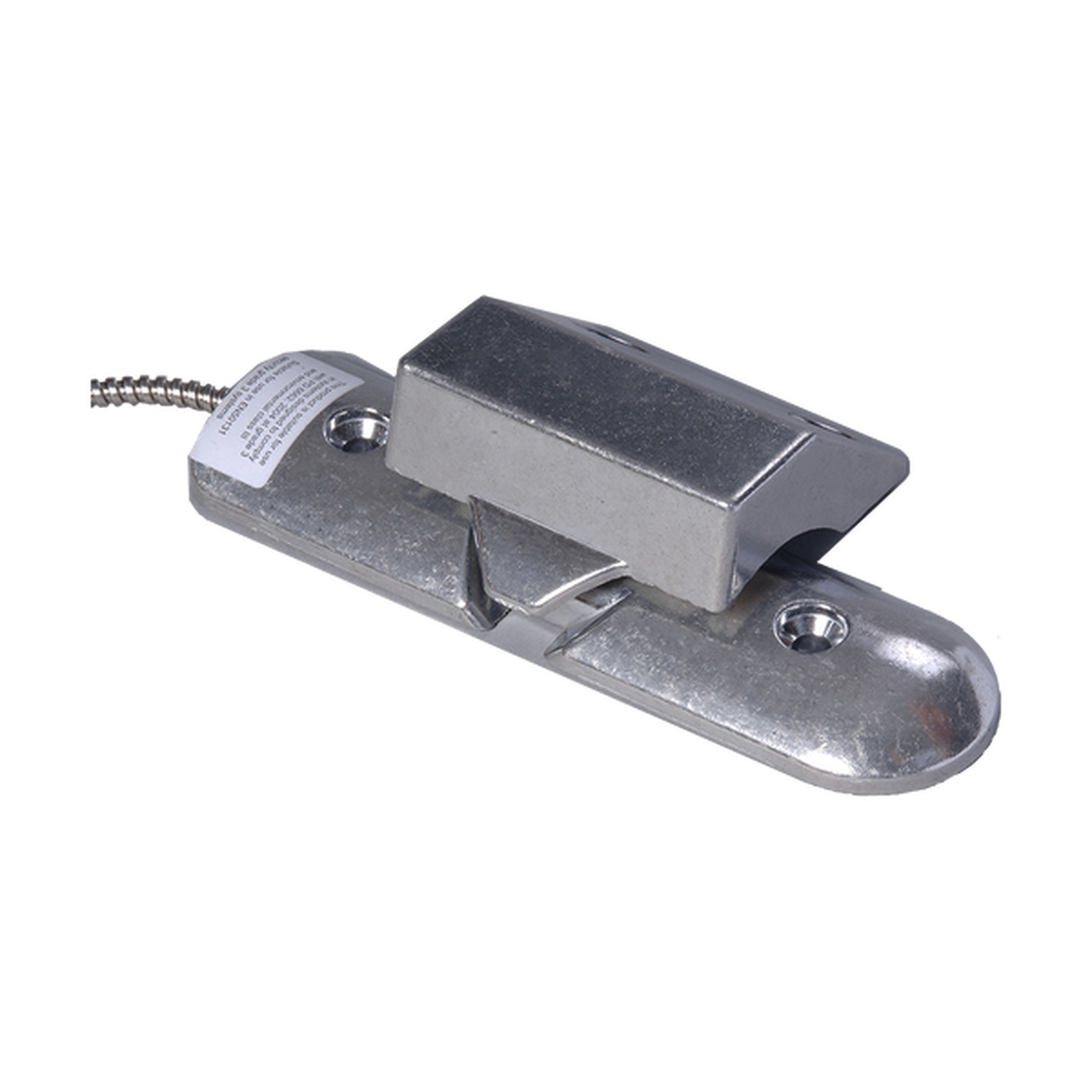
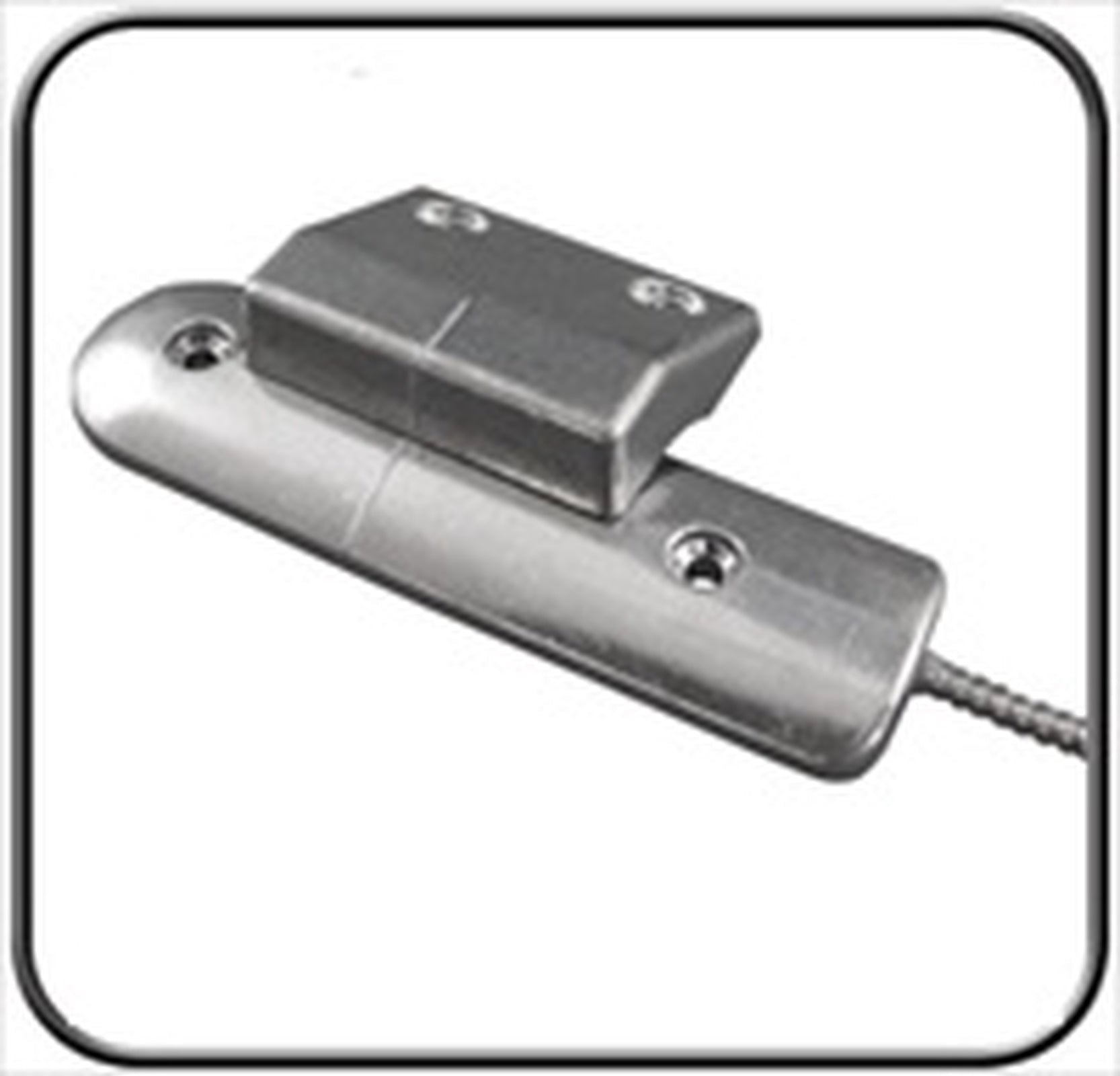
- Roller shutter contacts: CQR roller shutter contacts including the RS007 Grade 3, plus a Hoyles heavy-duty contact.
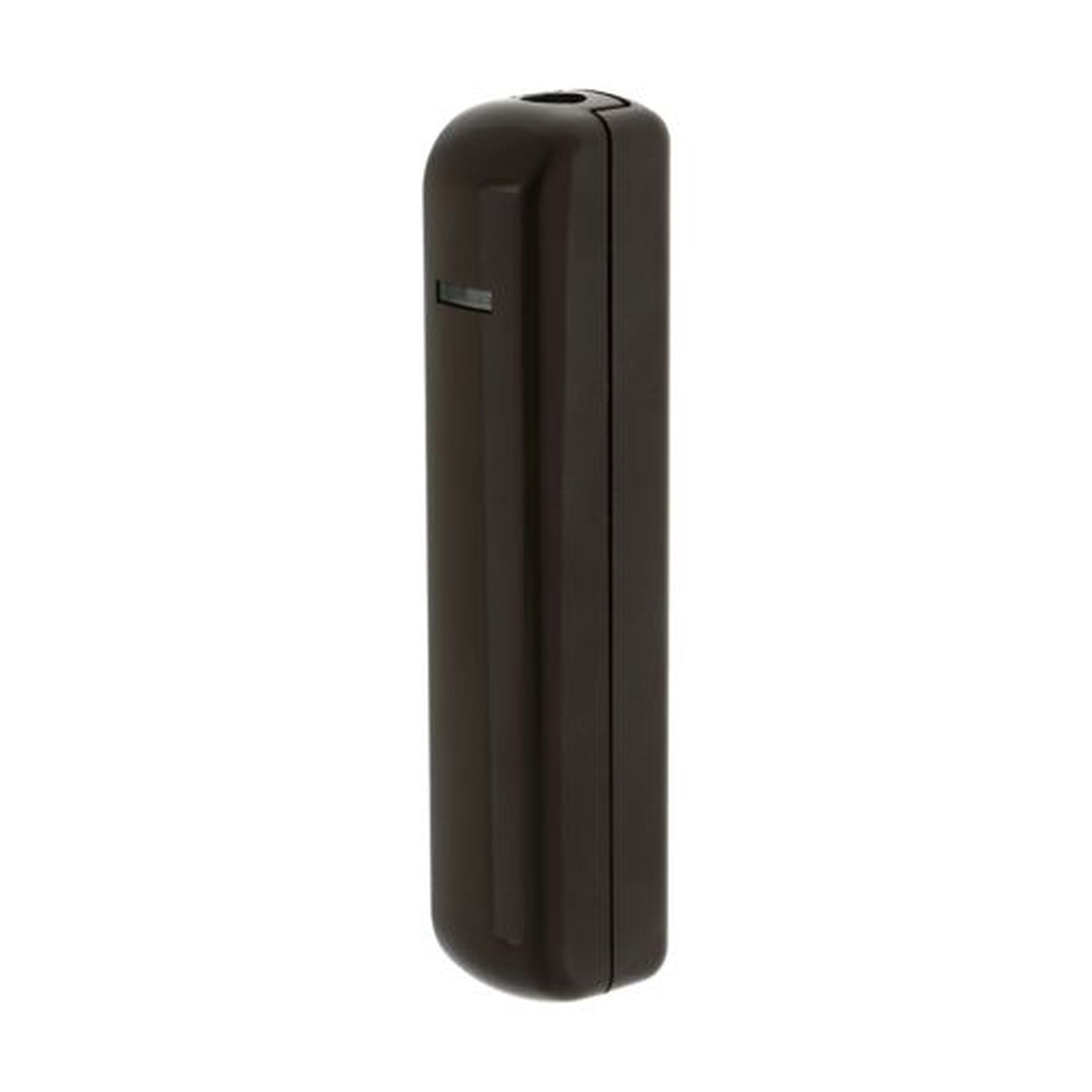
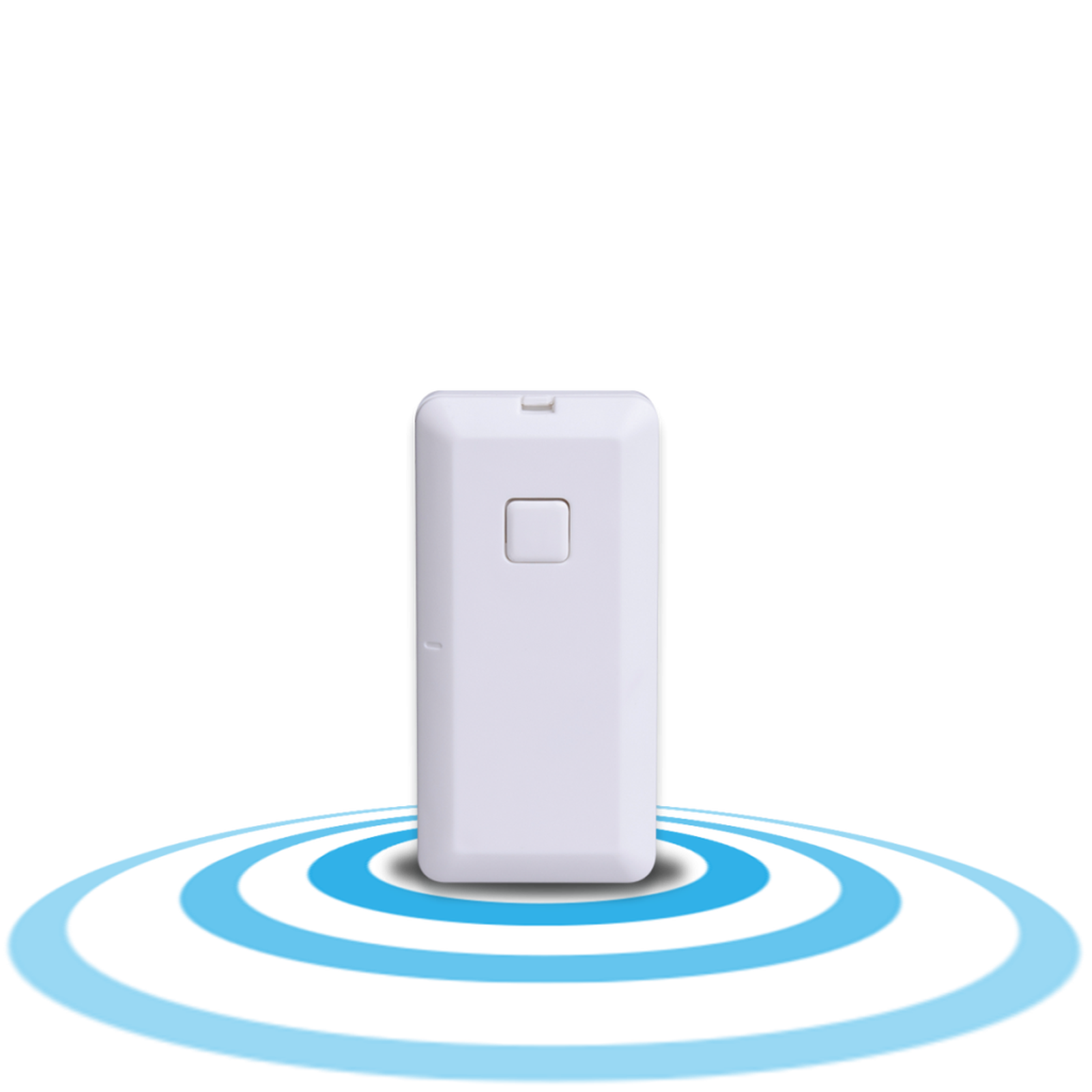
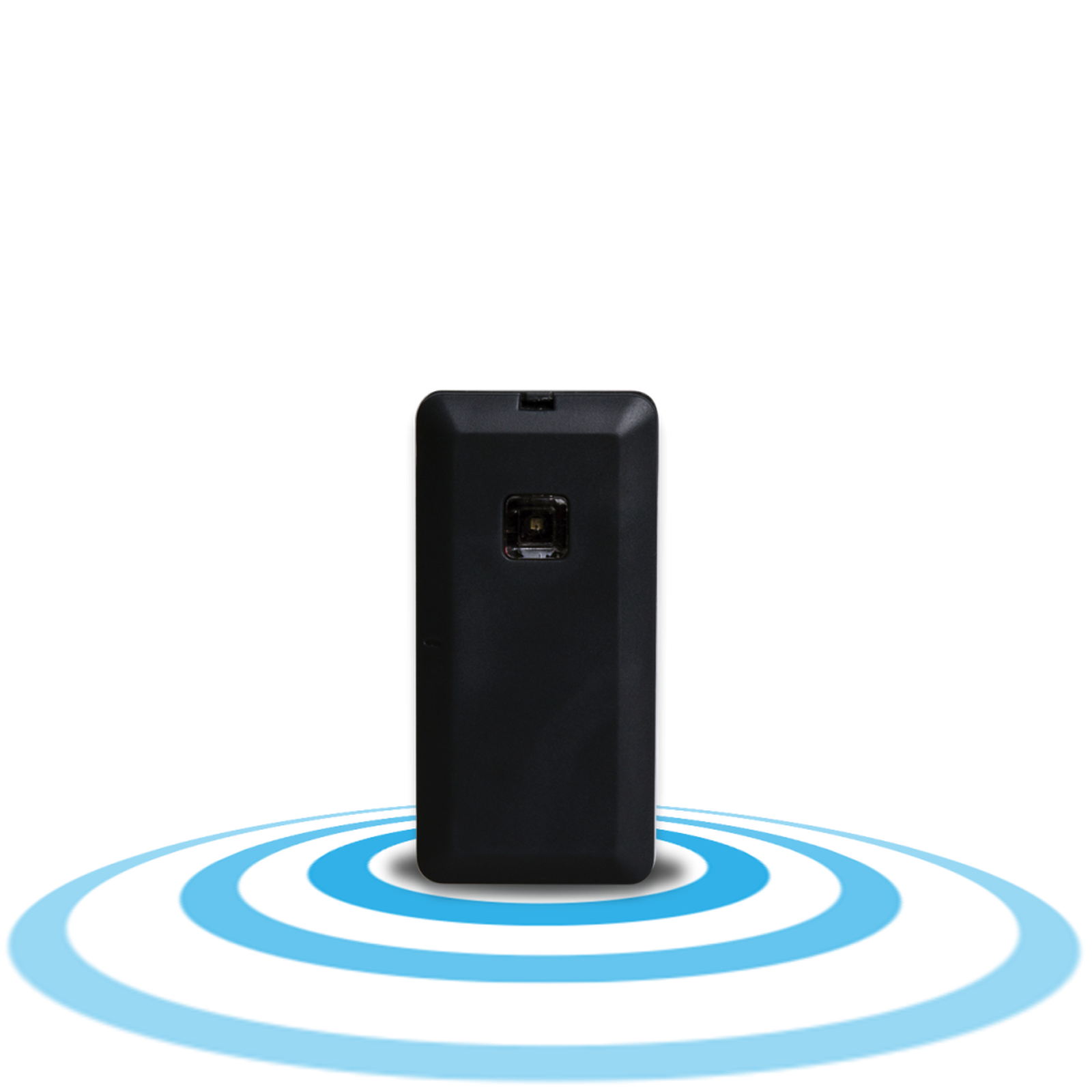
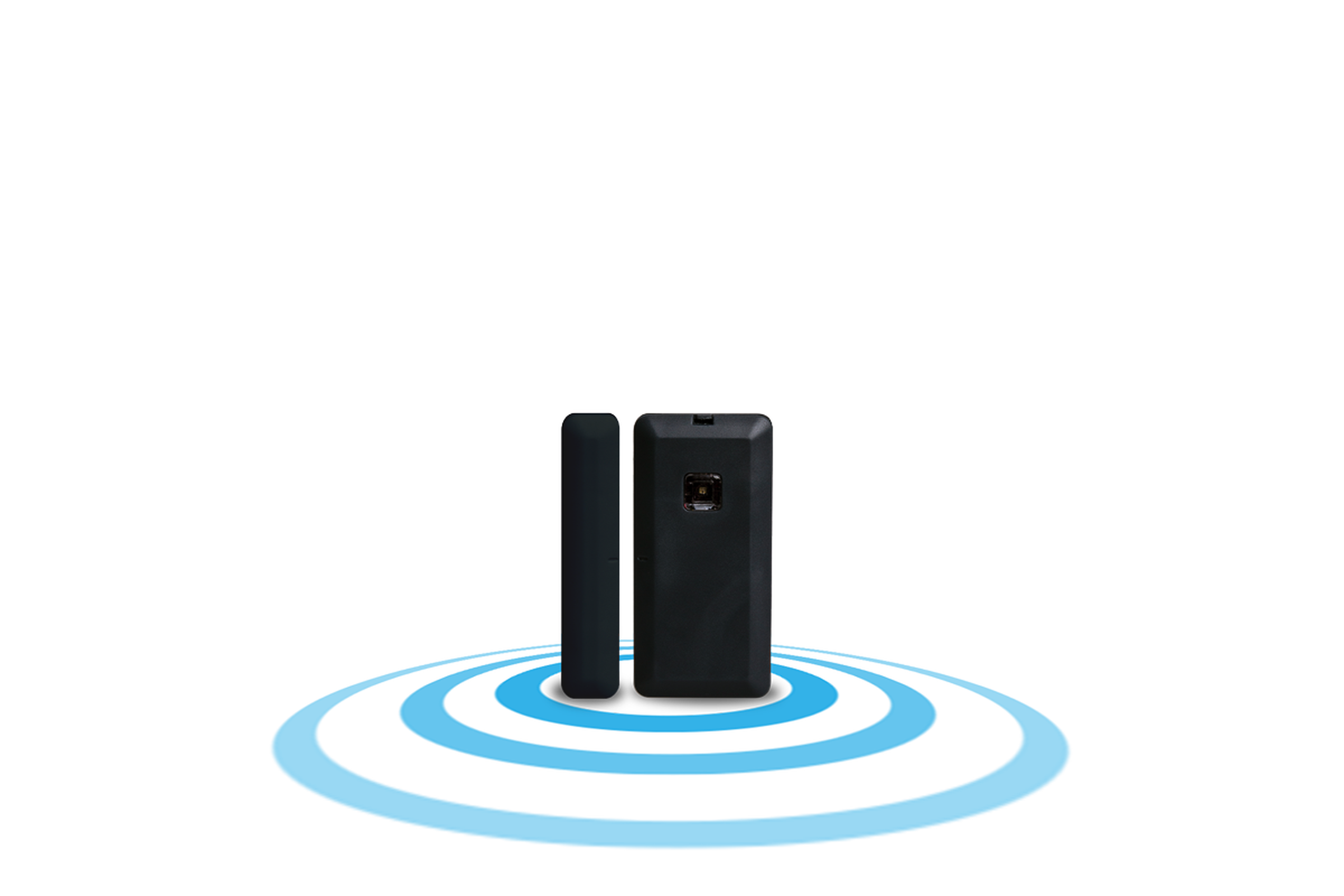
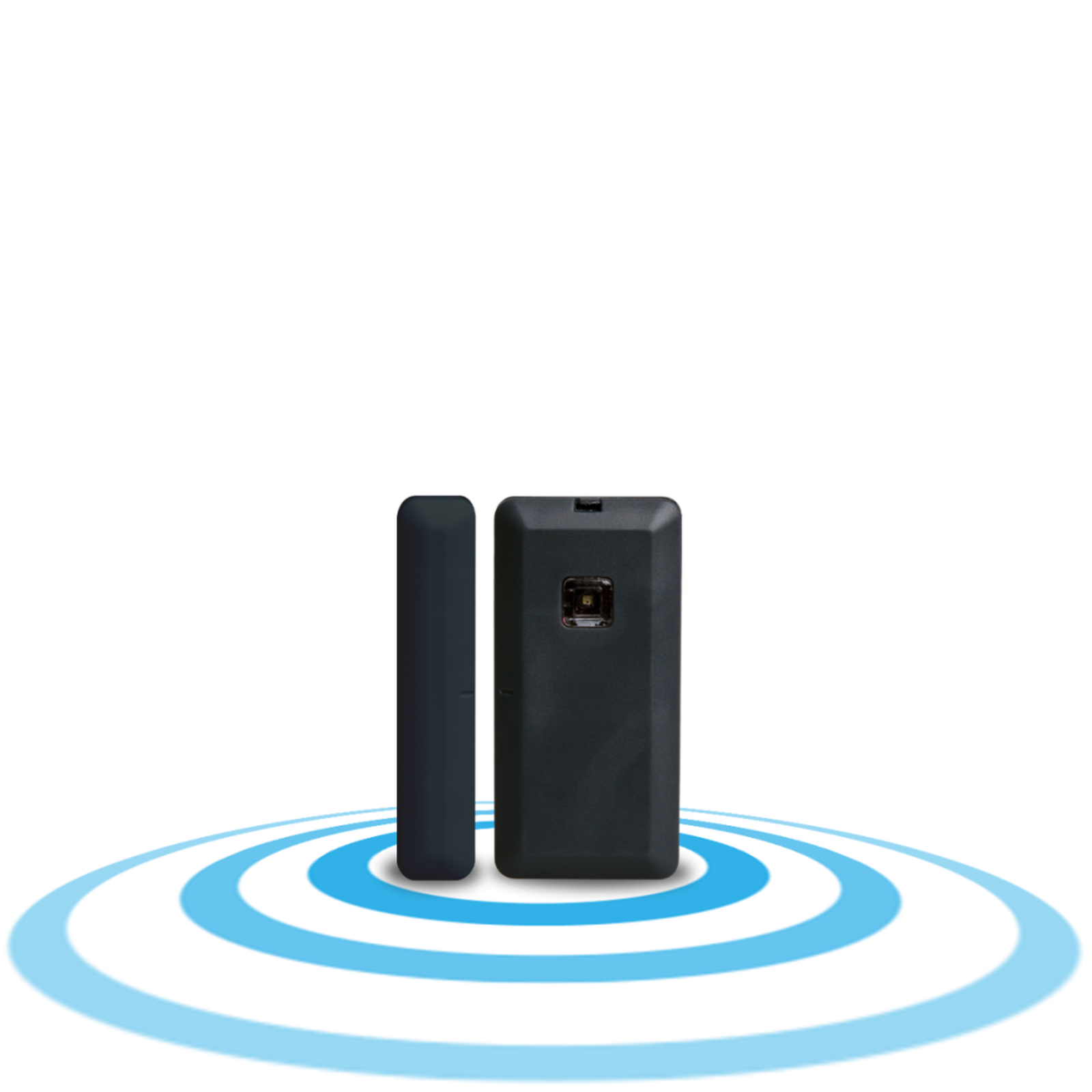
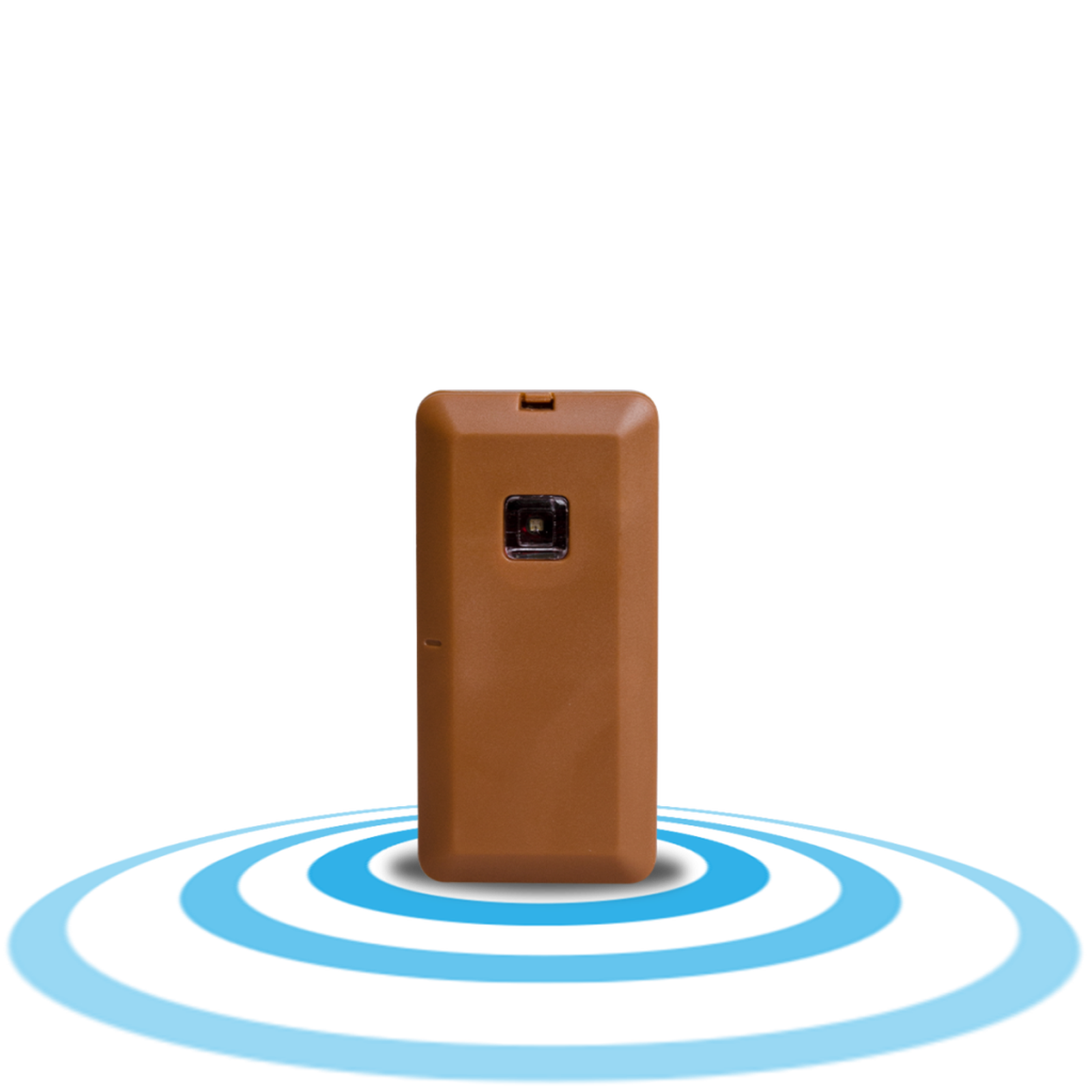
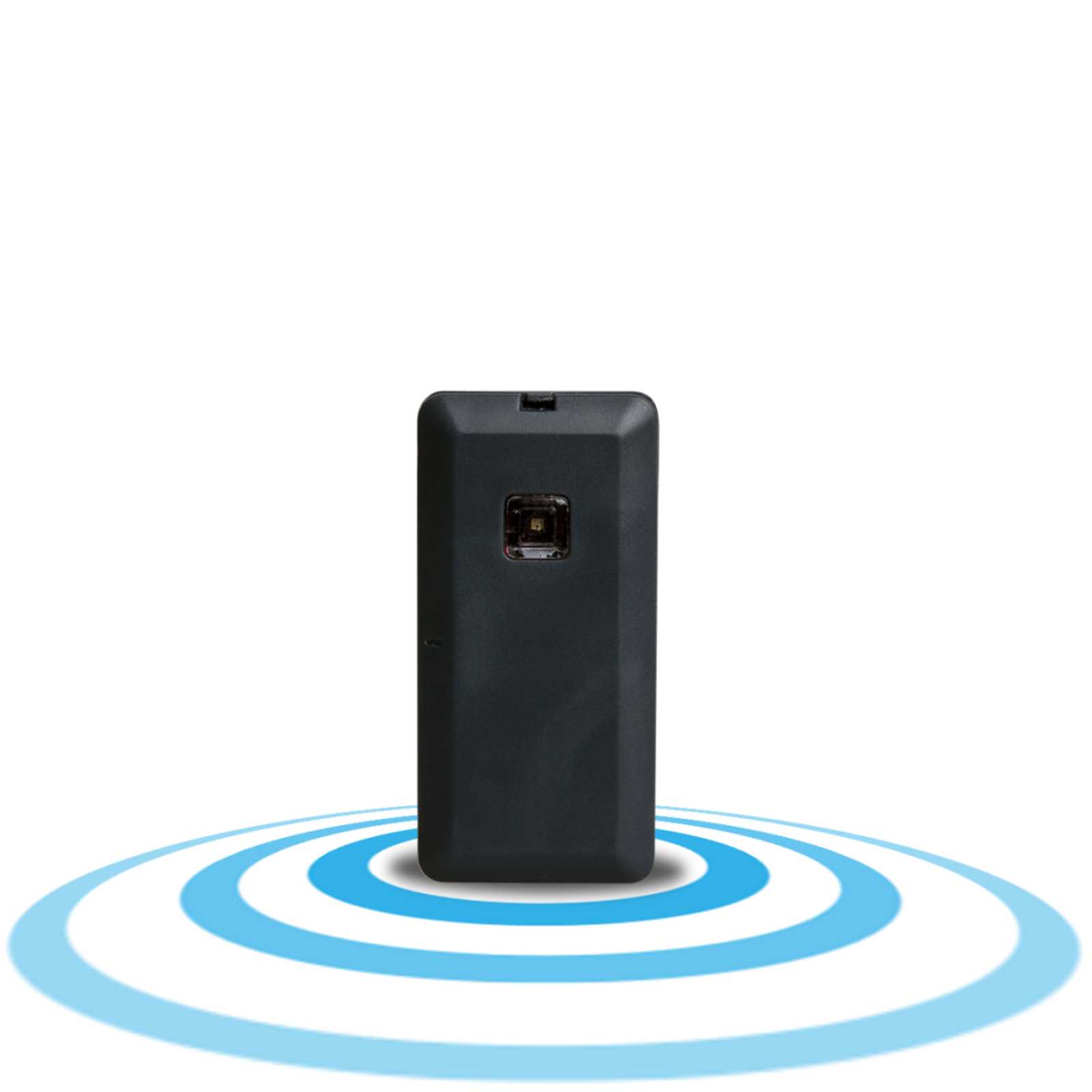
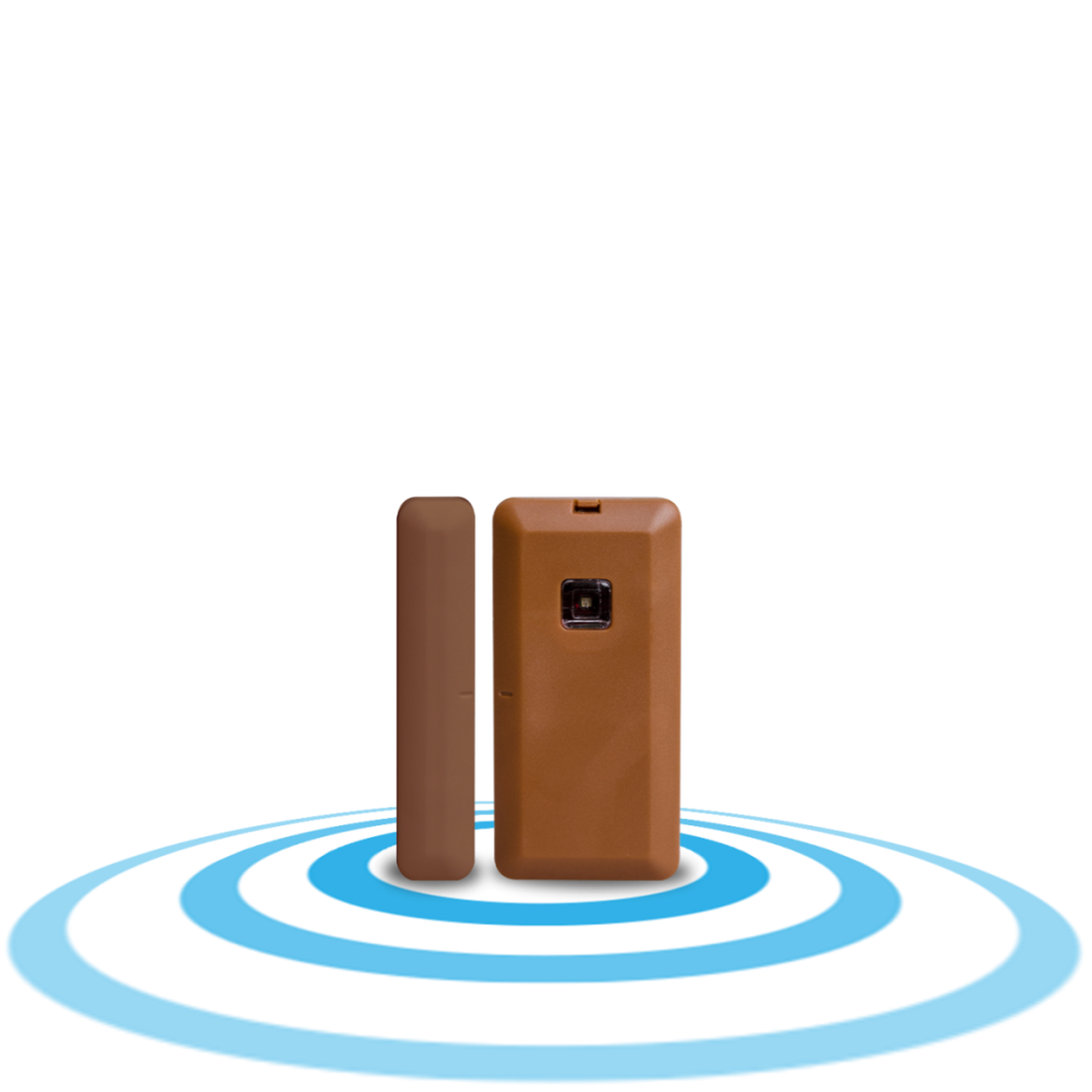
- Wireless contacts: Texecom Ricochet contacts such as the Micro Contact-W, Scantronic slimline radio contacts and Hikvision AX PRO magnetic detectors.
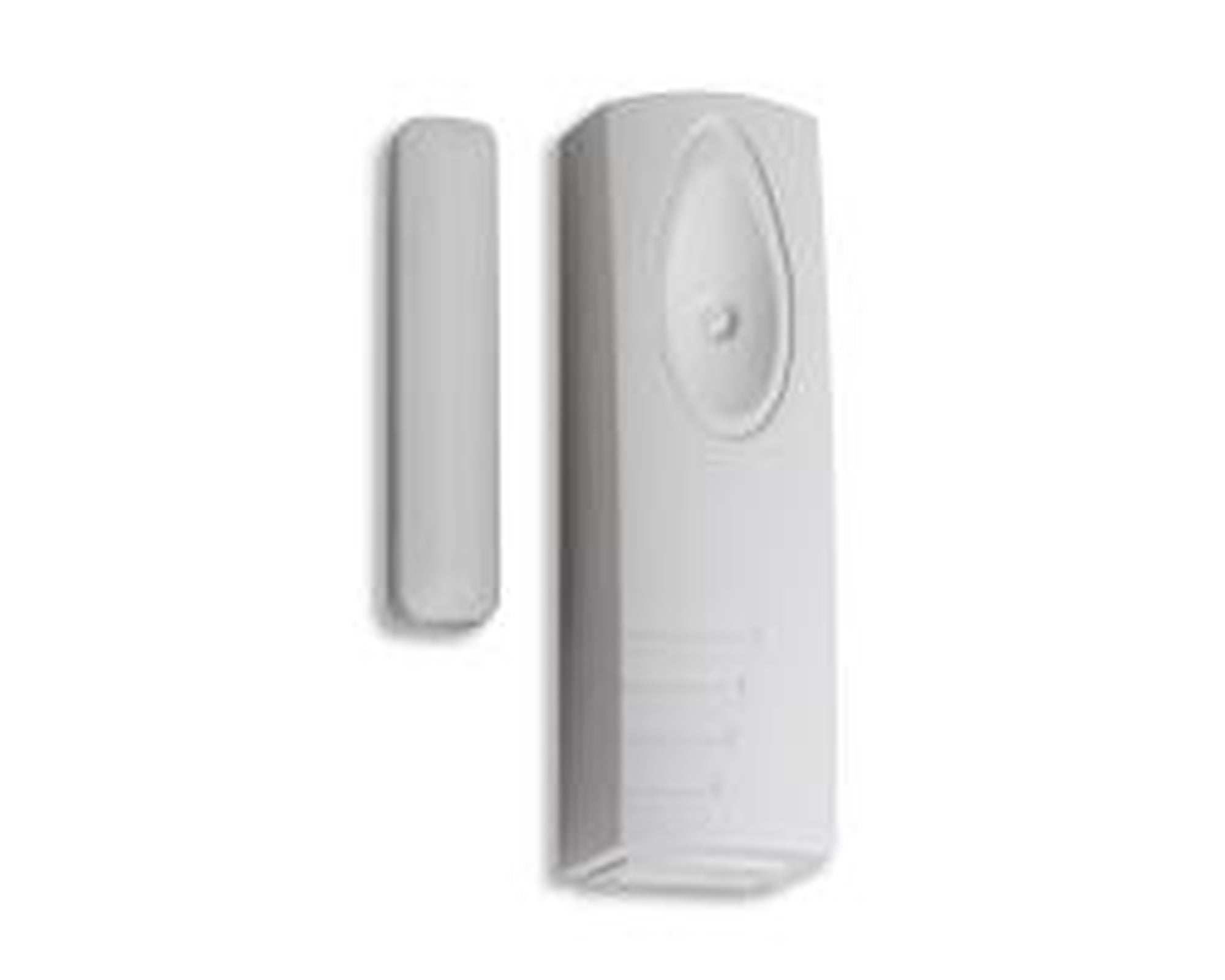
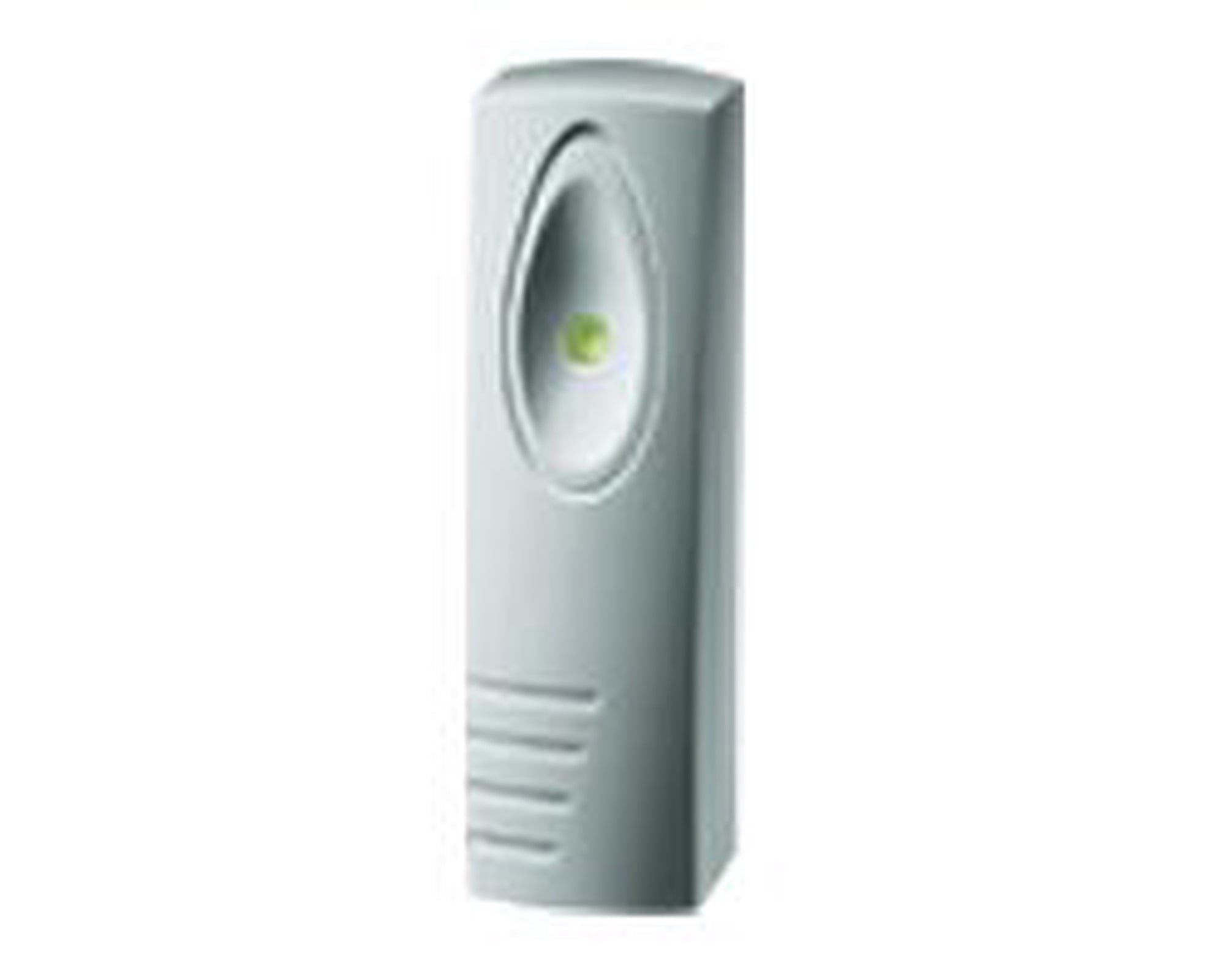
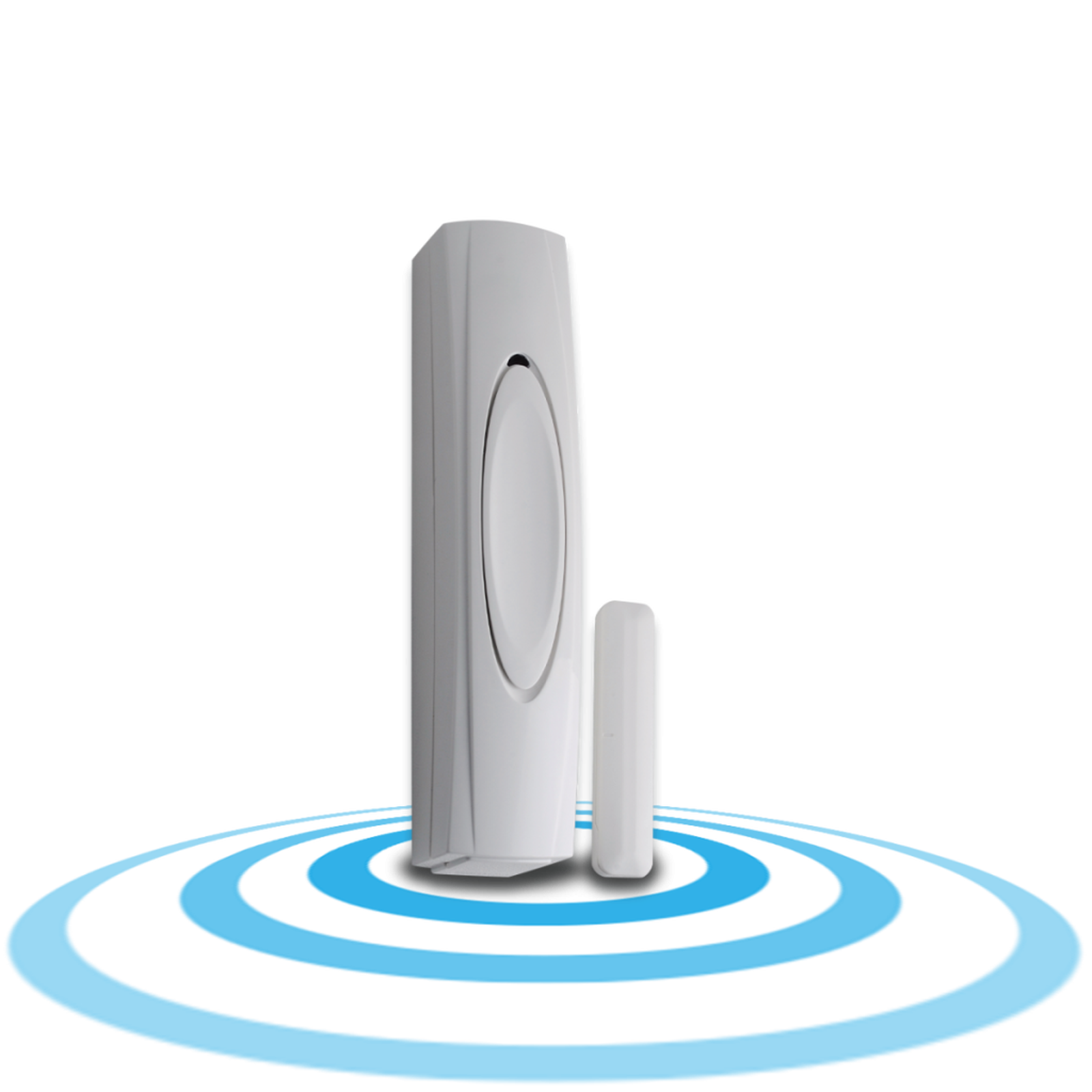
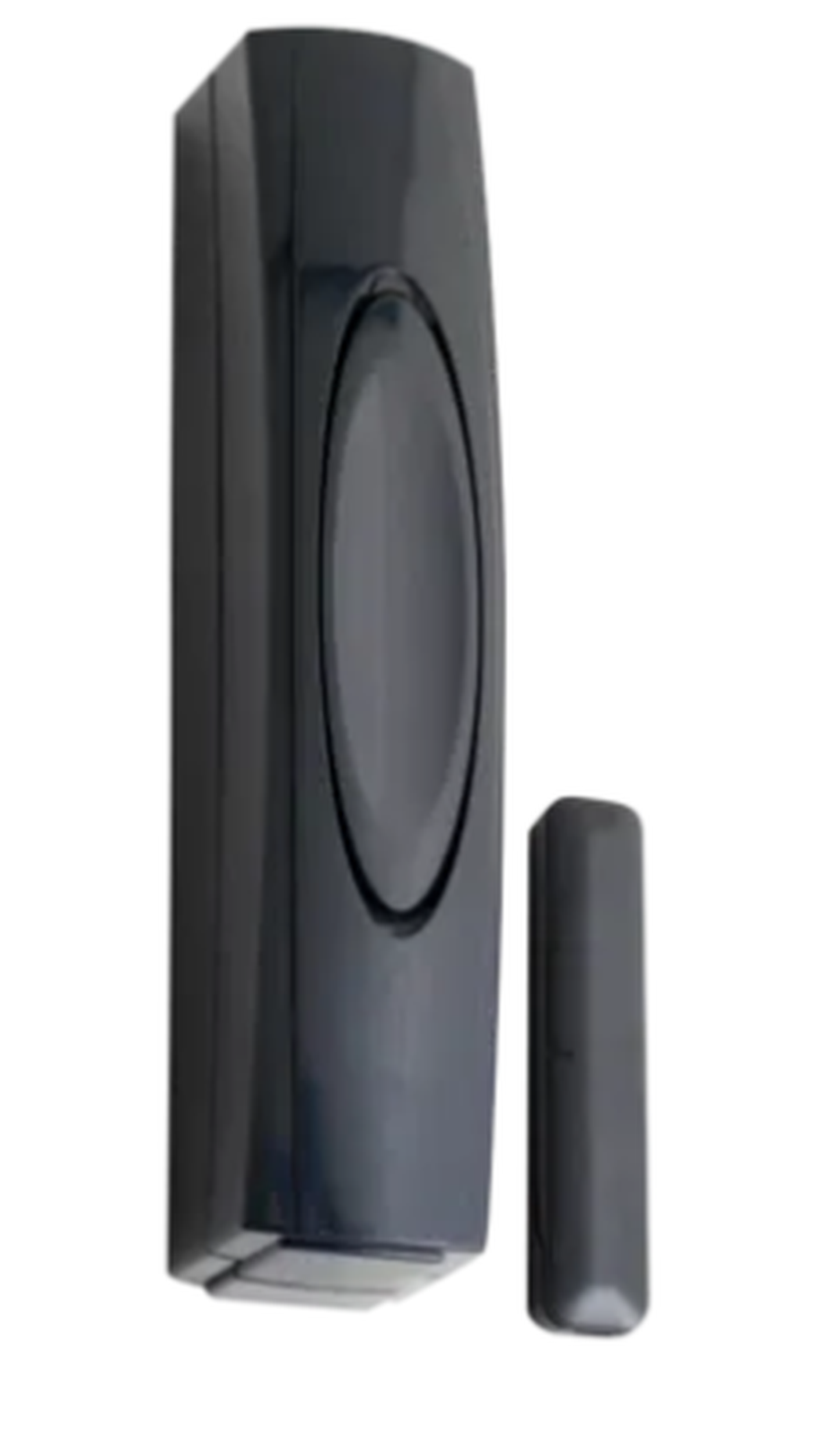
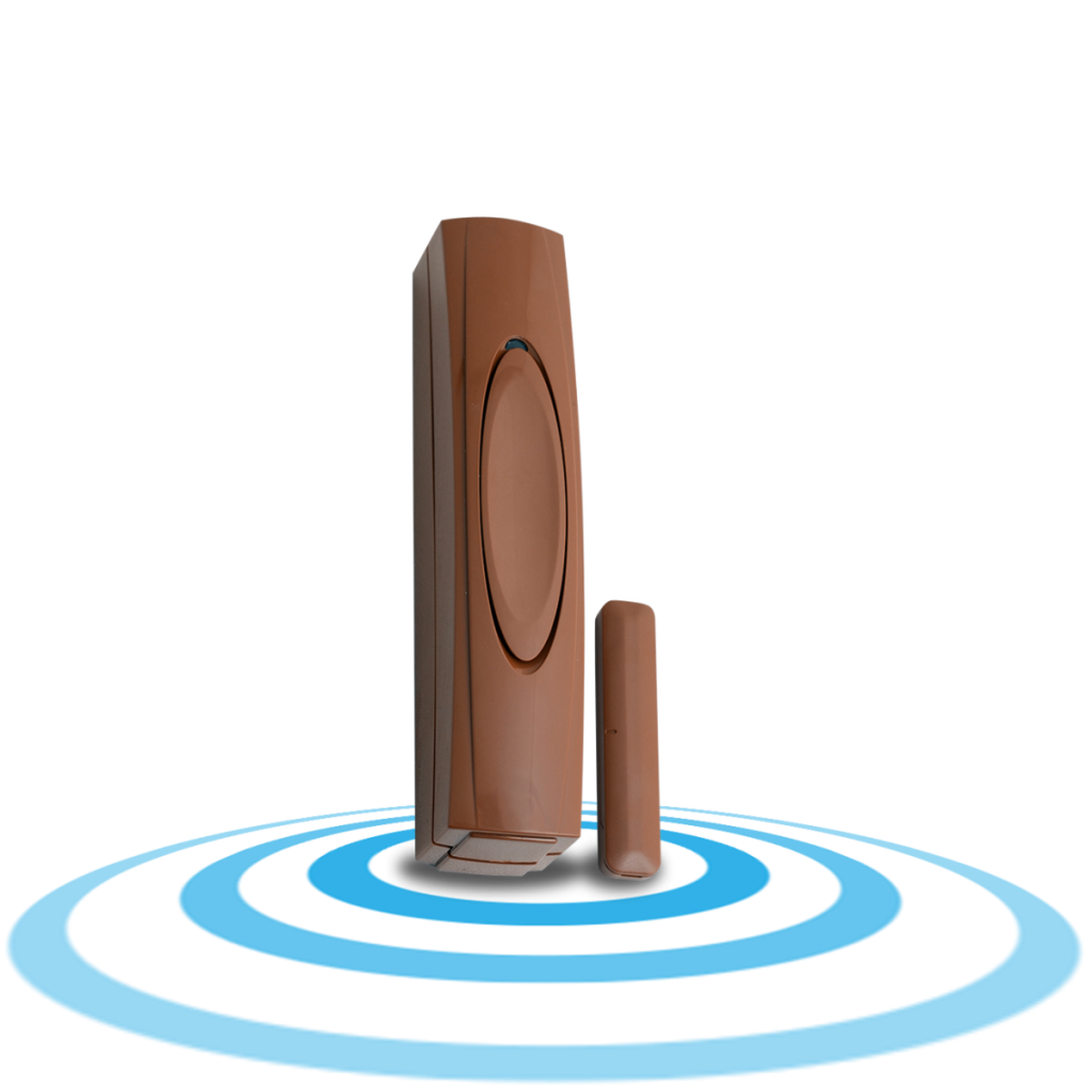
- Shock sensors: the Texecom Impaq SC shock sensor and contact, Impaq S, CQR Trapper and Scantronic radio shock sensors.
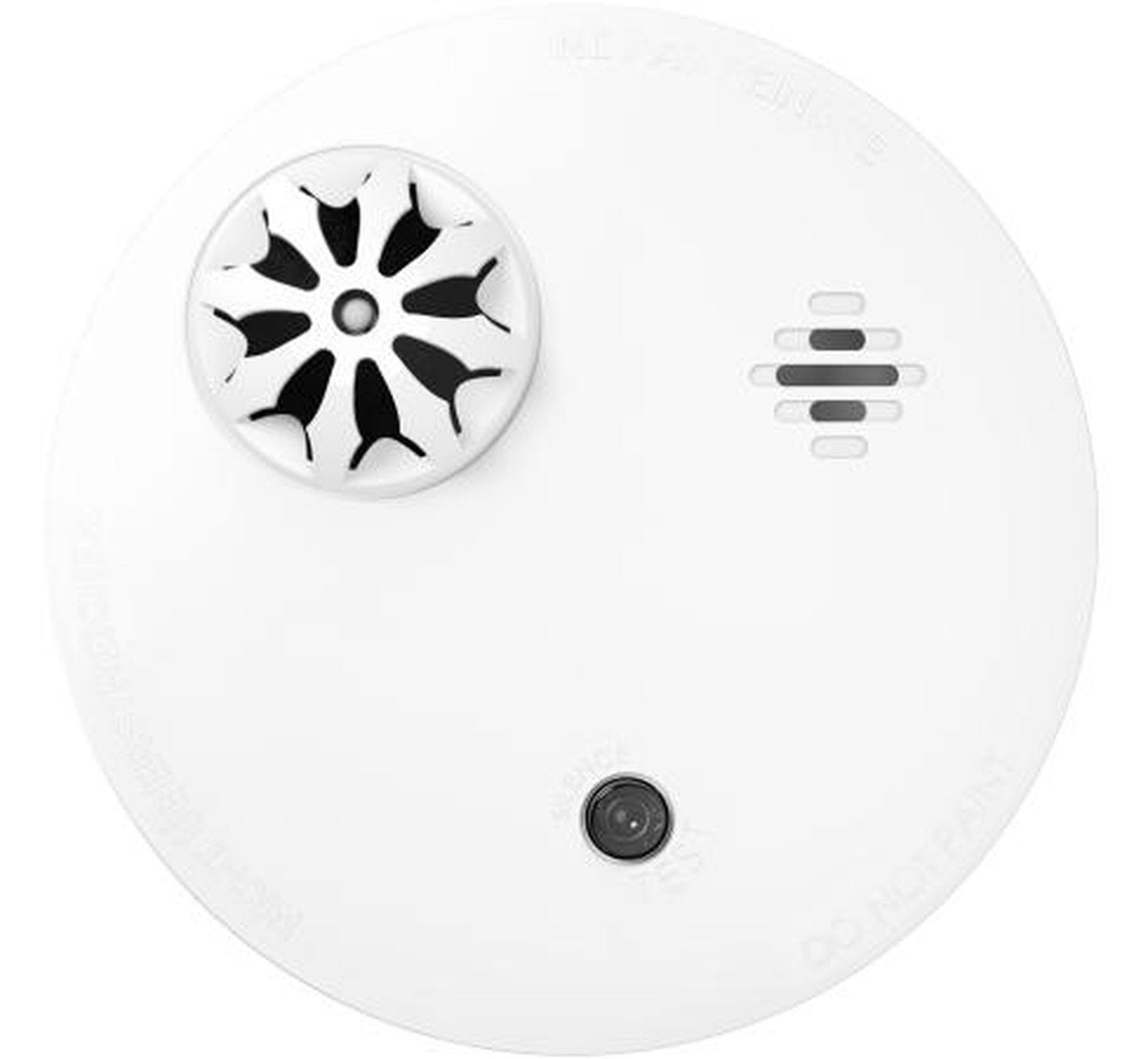
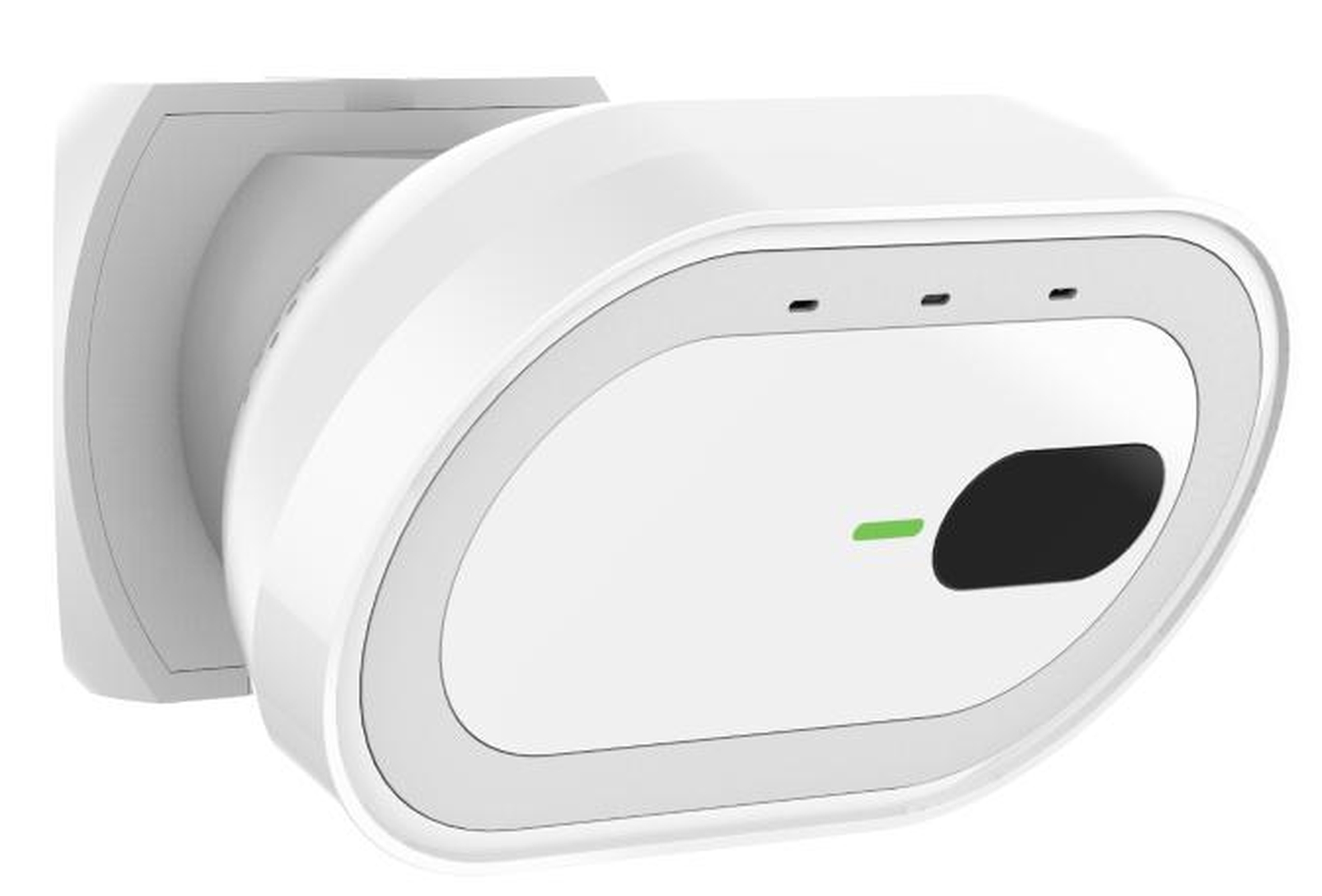
- Glass break and seismic: the Hikvision AX PRO glass break detector, Vanderbilt acoustic glass break and seismic detectors.
Complete the system with intruder alarm panels and kits and PIR and motion sensors.
How to choose a door contact
- Grade: match the contact to the grade of the alarm system.
- Flush or surface: flush contacts sit inside the door and frame for a discreet finish; surface contacts are quicker to retrofit.
- Door type: use contacts designed for metal doors or roller shutters where needed.
- Resistors: many CQR contacts have built-in resistor options (Type A, B, C and so on) to match the panel's end-of-line setting.
- Wireless: wireless contacts must match the panel's radio system.
Why buy from JEM Systems UK
JEM Systems UK supplies genuine CQR, Texecom and Eaton contacts and sensors, all brand new and factory sealed, to trade installers across the UK. Buy online with fast, tracked UK delivery.
Door contact FAQs
How does an alarm door contact work?
A magnet on the door holds a reed switch in the frame in one state. When the door opens, the magnet moves away, the switch changes state and the panel sees the zone as open.
Should I use a flush or surface door contact?
Flush contacts are neater and harder to tamper with but need drilling. Surface contacts suit uPVC, metal or glazed doors where drilling is impractical.
What is a shock sensor used for?
A shock sensor detects the vibration of a forced-entry attempt on a door, window or wall, so it can raise an alarm before the opening is breached.