
Wireless Fire Detection
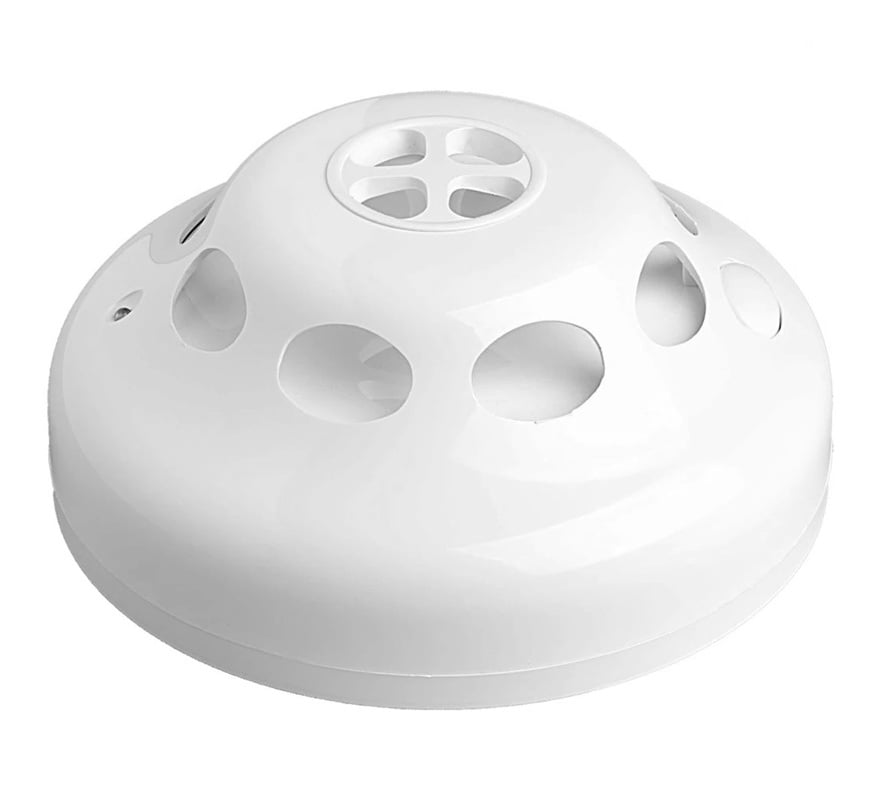
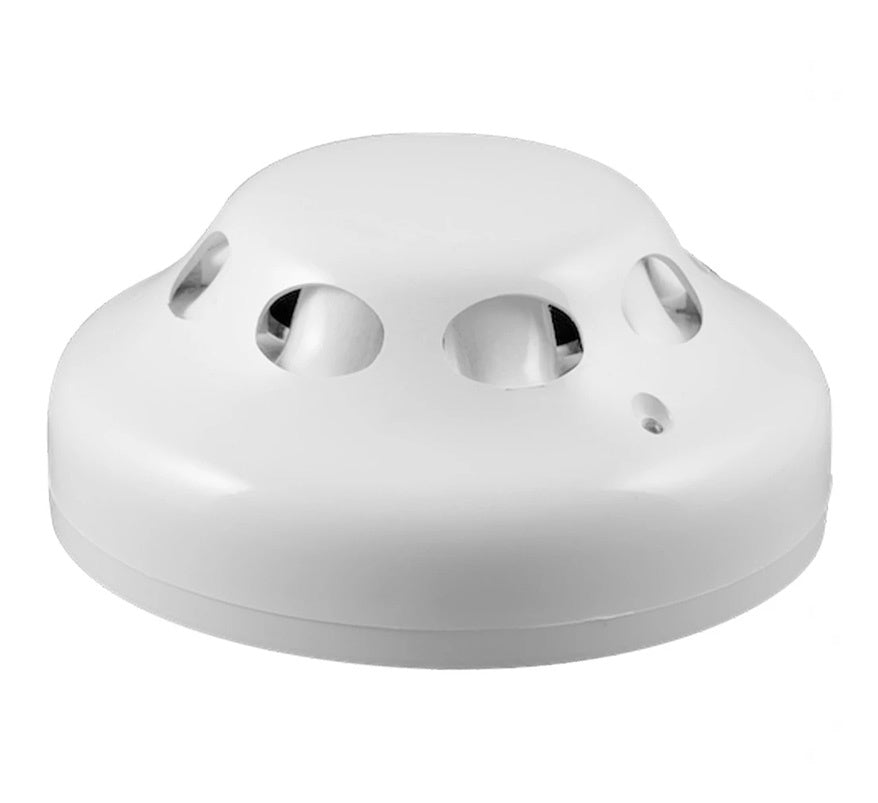
Buy wireless fire alarm systems and radio-linked devices for commercial fire detection: standalone wireless panels, wireless expanders for existing addressable loops, and battery-powered detectors, call points, sounders and VADs.
- Same day dispatch on Poole stock
- Genuine, brand new stock
- Trade prices with a trade account
- Expert help 0113 518 0540


















About Wireless Fire Detection
Buy wireless fire alarm systems and radio-linked devices for commercial fire detection: standalone wireless panels, wireless expanders for existing addressable loops, and battery-powered detectors, call points, sounders and VADs.
What is a wireless fire alarm system?
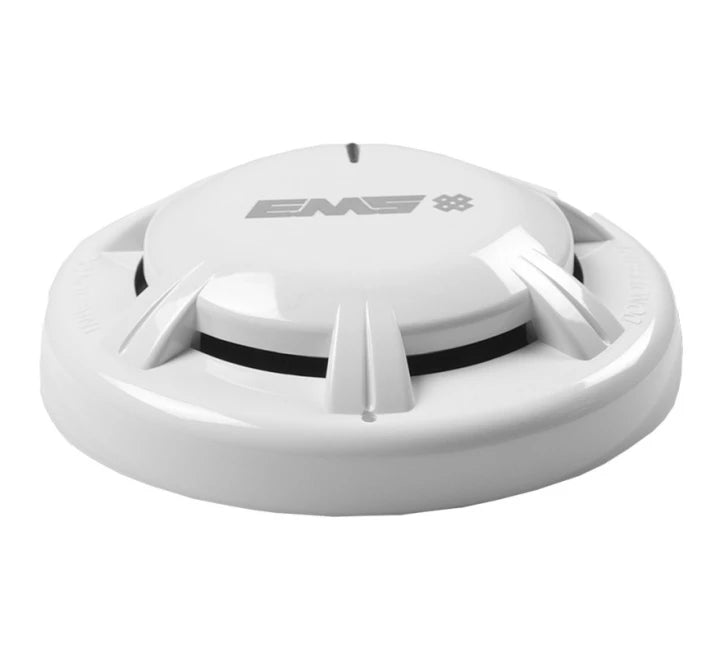
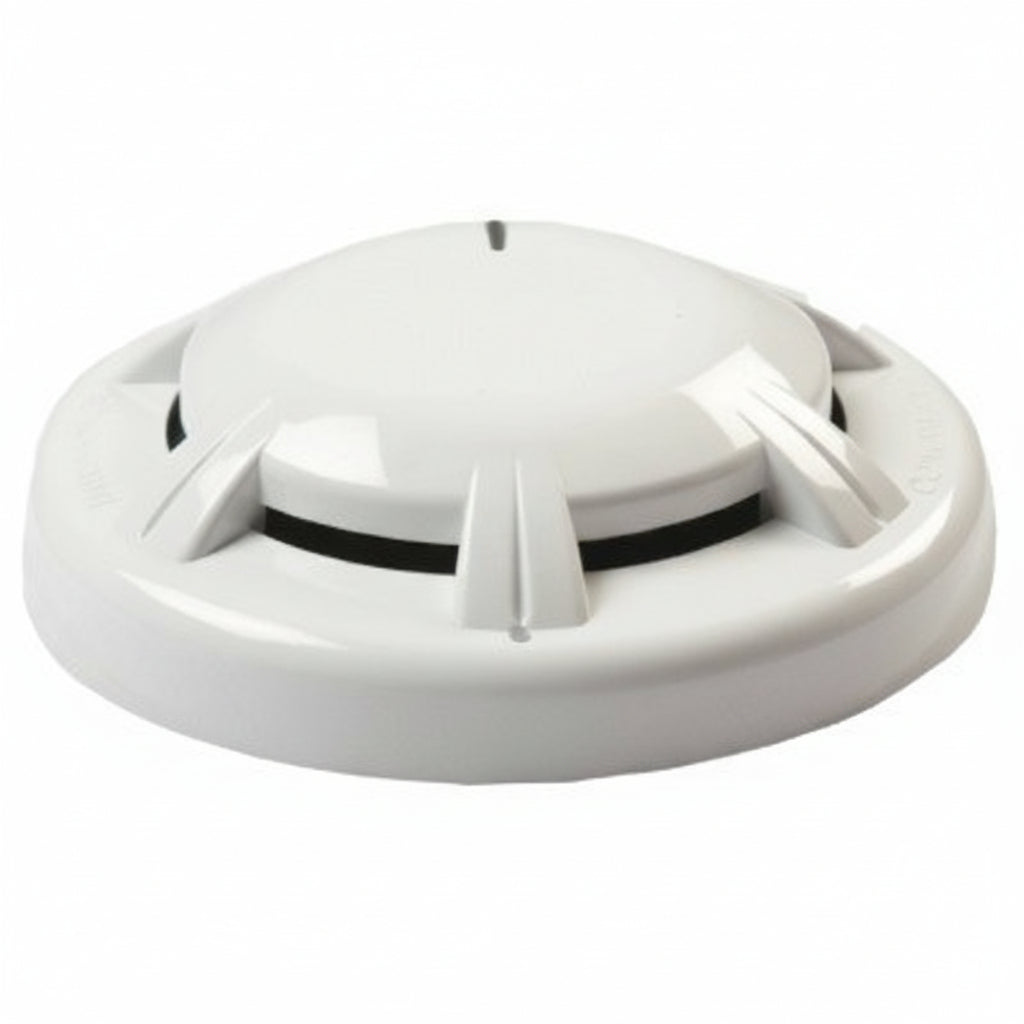
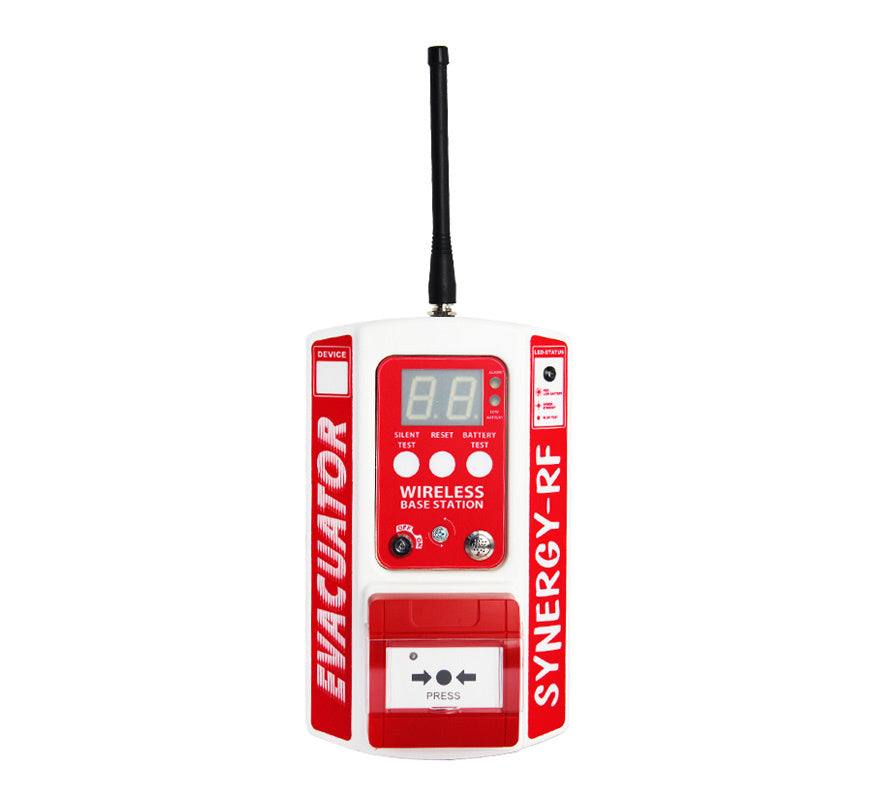
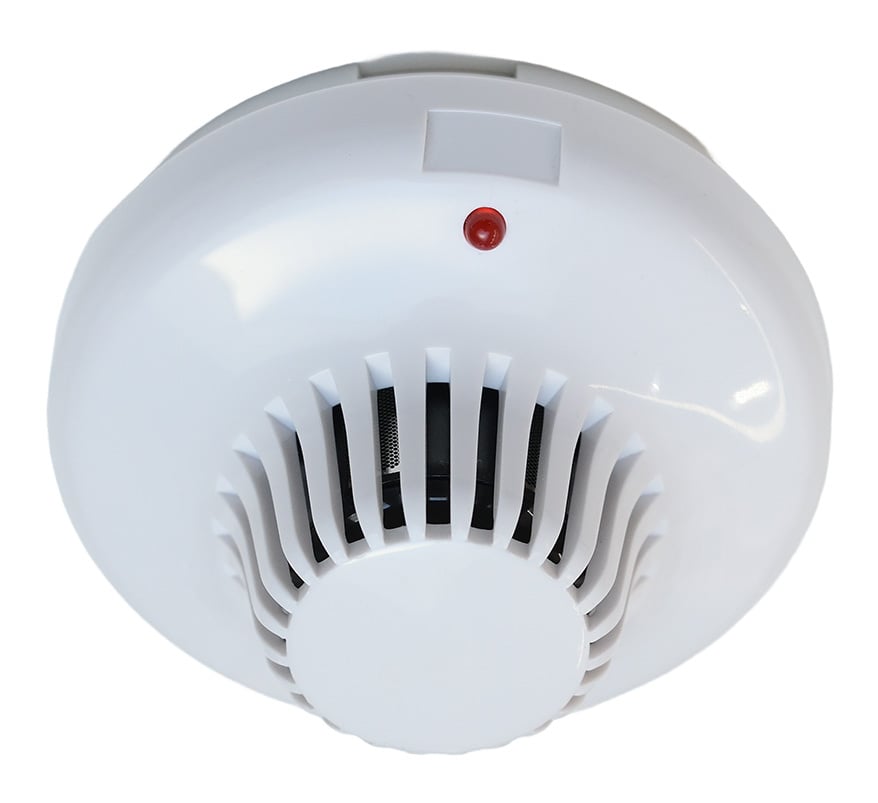
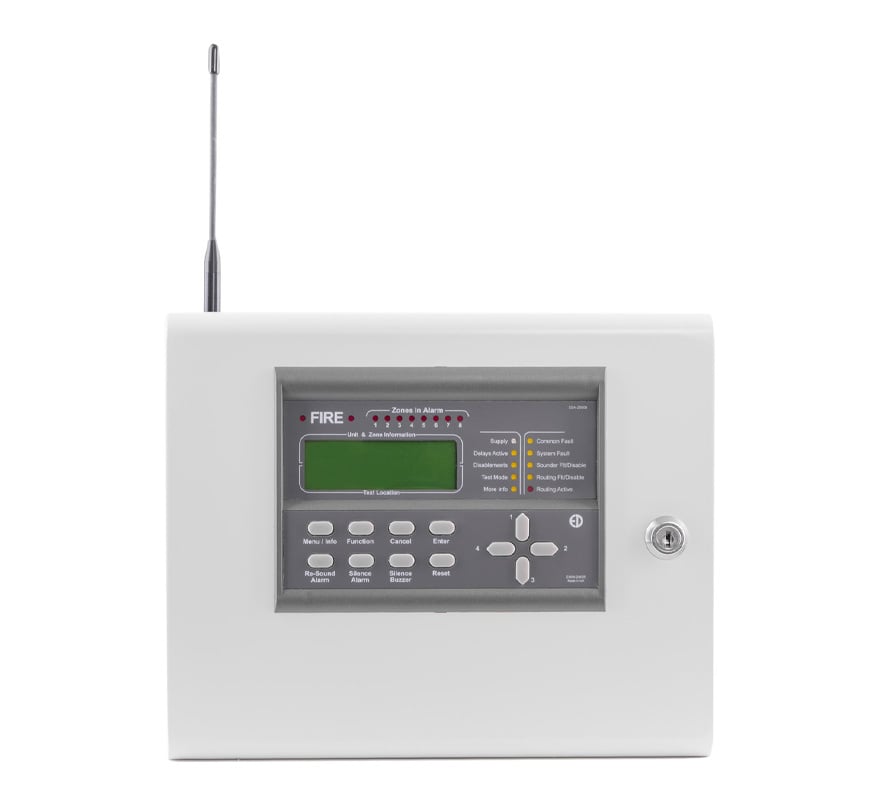
A wireless fire alarm system uses radio links instead of cables between the detectors, call points, sounders and the control equipment. Each wireless device is battery powered, and the system monitors the radio link so a lost signal is reported as a fault. There are two main types of wireless fire alarm systems: fully wireless systems with their own control panel, such as EMS SmartCell and Zerio Plus, and hybrid systems that add wireless devices to a wired addressable panel through a radio hub, gateway or loop interface, such as EMS FireCell, Apollo XPander and Hochiki Ekho. Popular starting points include the SmartCell wireless control panel, the Zerio Plus 8 zone wireless panel and the EMS FireCell wireless manual call point.
Wireless fire detection ranges we supply
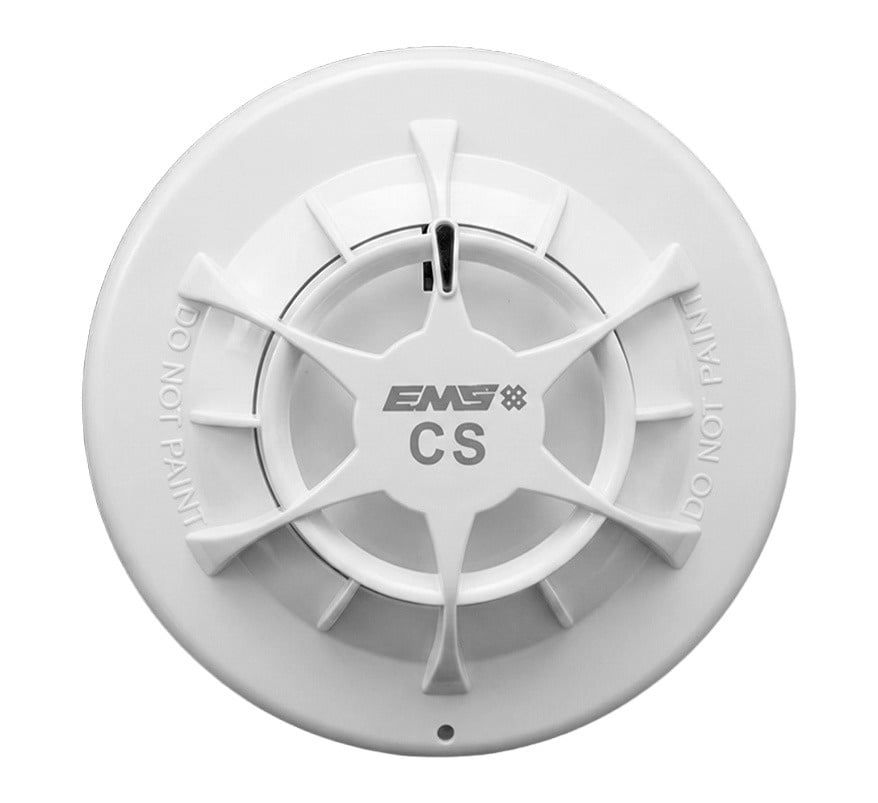
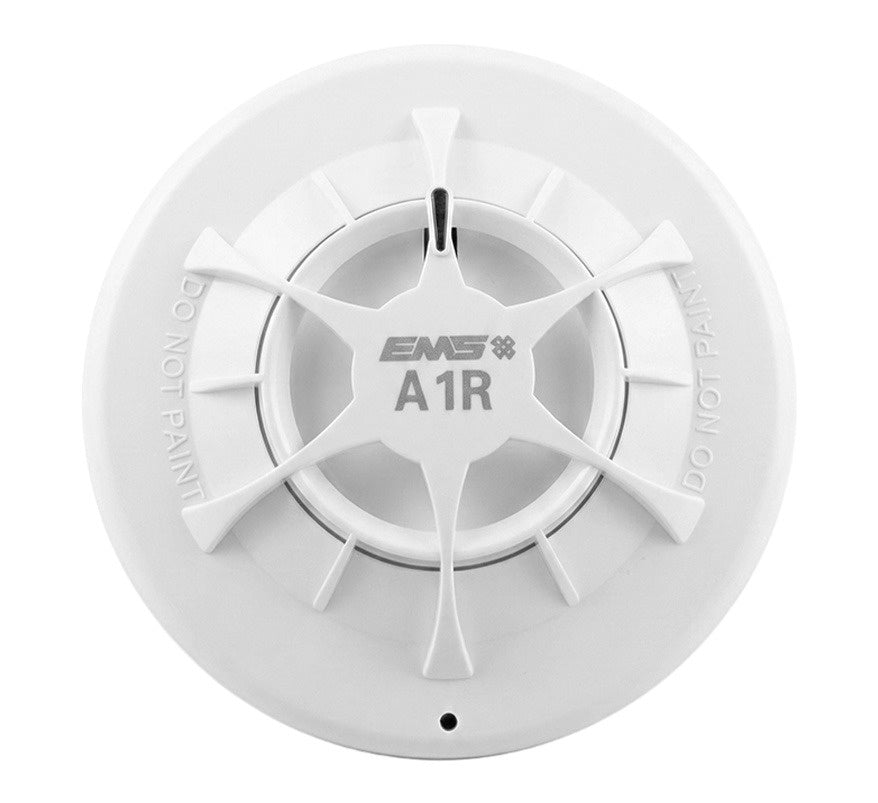
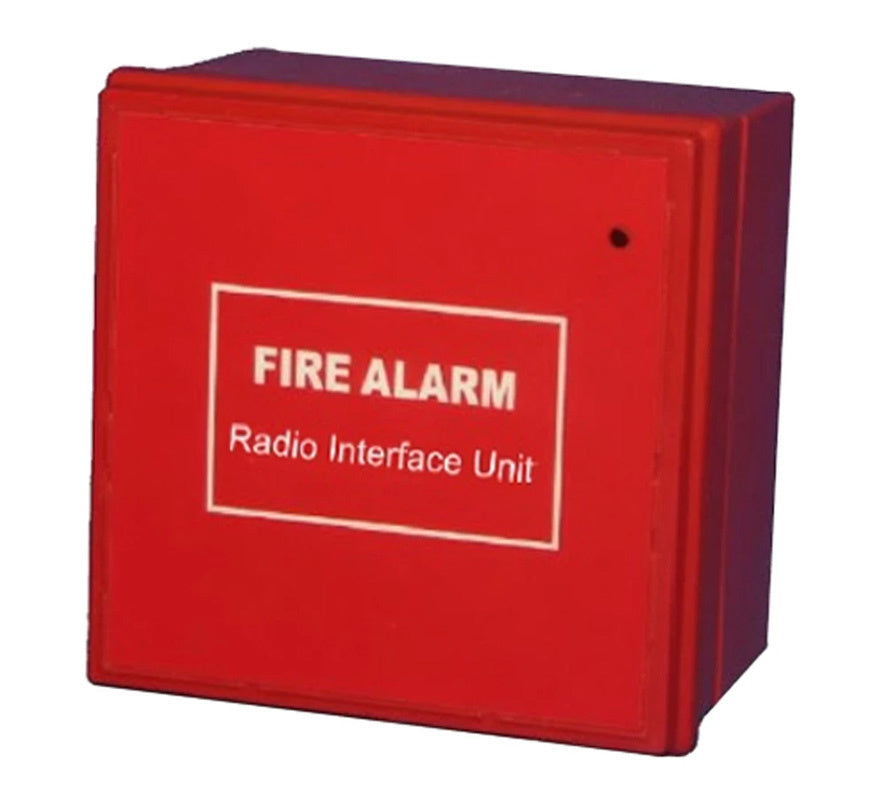
- EMS FireCell – wireless detectors, call points and sounders linked to addressable panels through radio hubs and Radio Cluster Communicators, plus Syncro AS panels with a built-in radio hub. See EMS FireCell and FireCell Fusion.
- EMS SmartCell – a self-contained wireless system with its own SmartCell control panel, dual smoke/heat detectors, call points, sounder VADs and door retainers. Browse EMS SmartCell or all EMS.
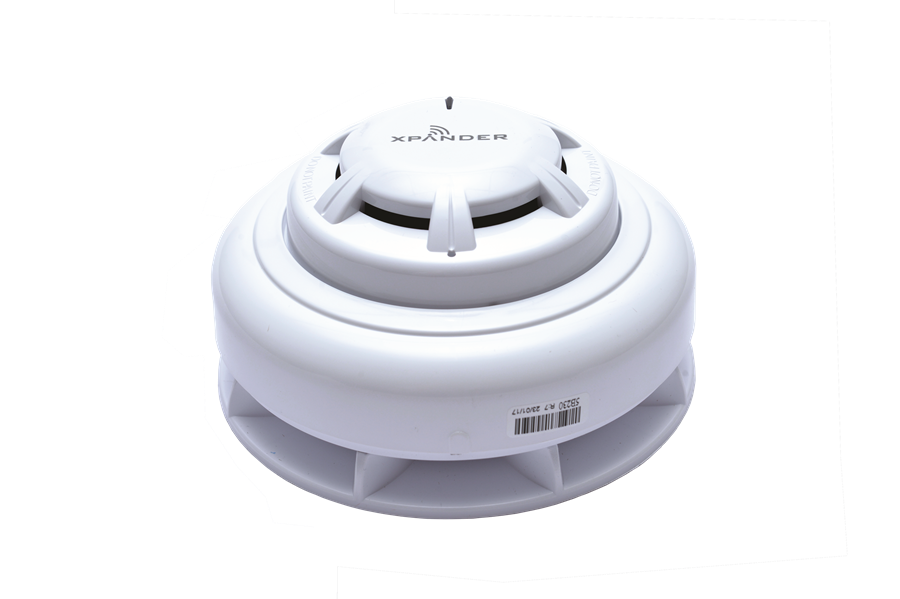
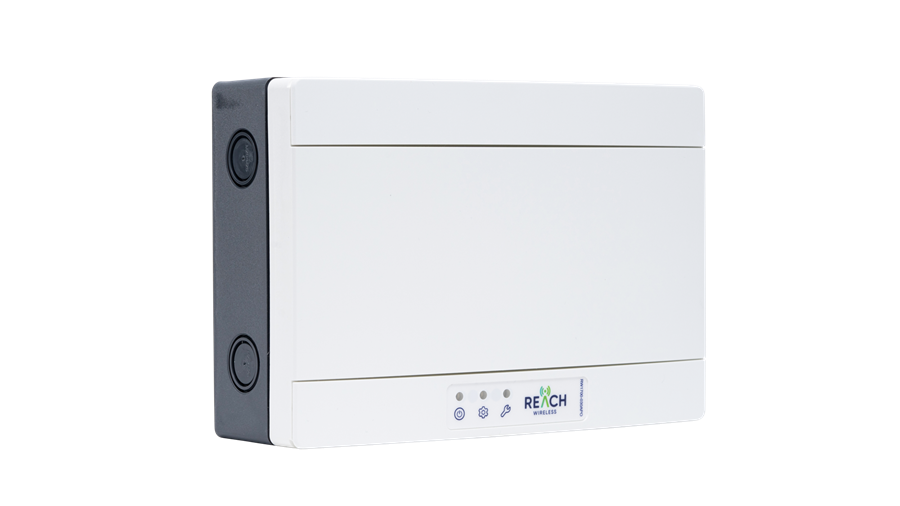
- Apollo XPander and REACH – wireless devices that extend an Apollo loop via the XPander Diversity Loop Interface or REACH XP95 Loop Interface Module. See Apollo XPander and Apollo.
- Electro Detectors Zerio Plus – standalone wireless panels from the 8 zone Zerio Plus up to 100 zones, with detectors, IP65 sounders and call points, and radio boosters. Shop Electro Detectors.
- Hochiki, Notifier, System Sensor and Comelit – Hochiki Ekho hybrid devices with the Ekho translator module, Notifier Agile with the NRXI-GATE gateway, System Sensor Agile RF devices and Comelit LogiFire wireless.
How to choose a wireless fire alarm system
- Standalone or hybrid. For a wireless-only installation, choose a system with its own panel, such as SmartCell or Zerio Plus. To extend a wired system, choose devices and an interface made for that panel's protocol.
- Check compatibility. XPander and REACH need an Apollo loop; Ekho hybrid devices need a Hochiki ESP loop.
- Survey the site first. Walls, floors and metalwork affect radio range. Use a survey kit such as the EMS FireCell Survey Kit or Apollo REACH Survey Kit Lite to plan device positions.
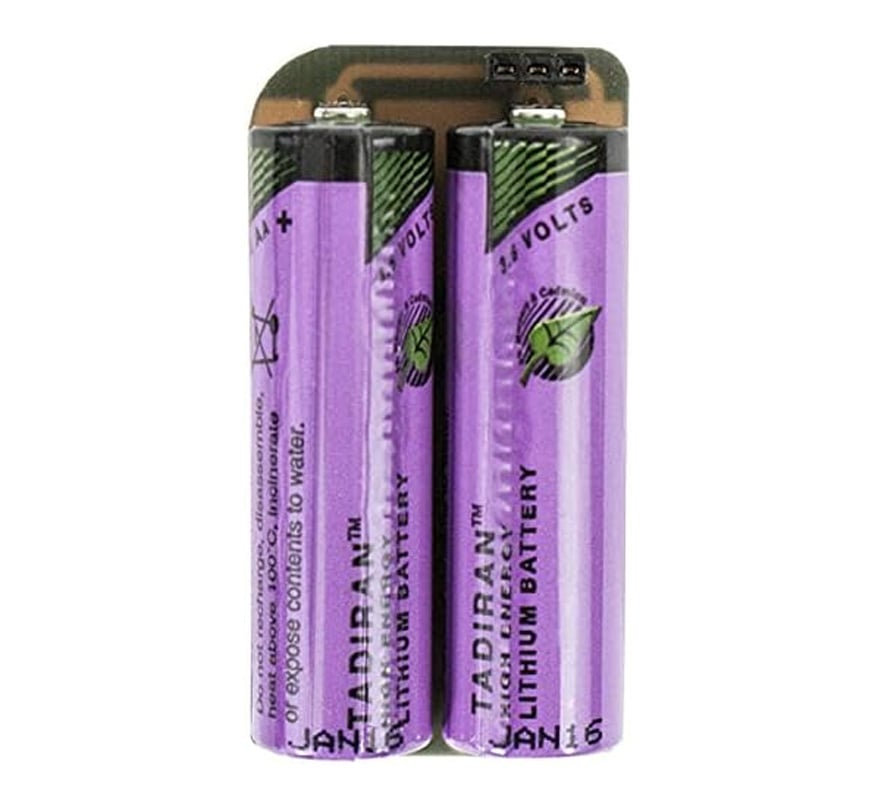
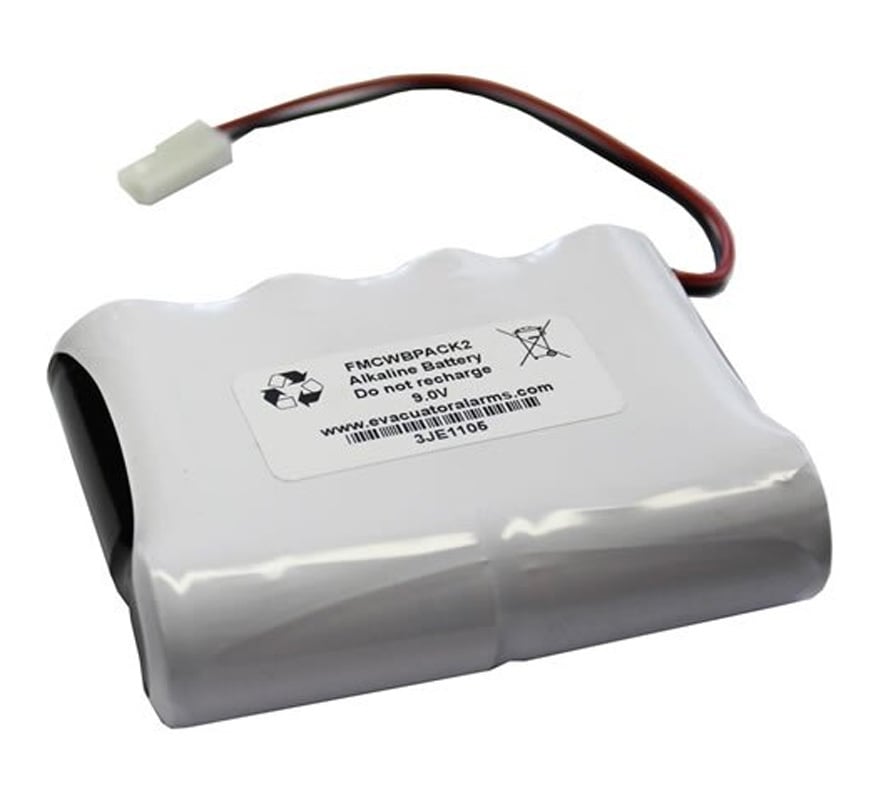
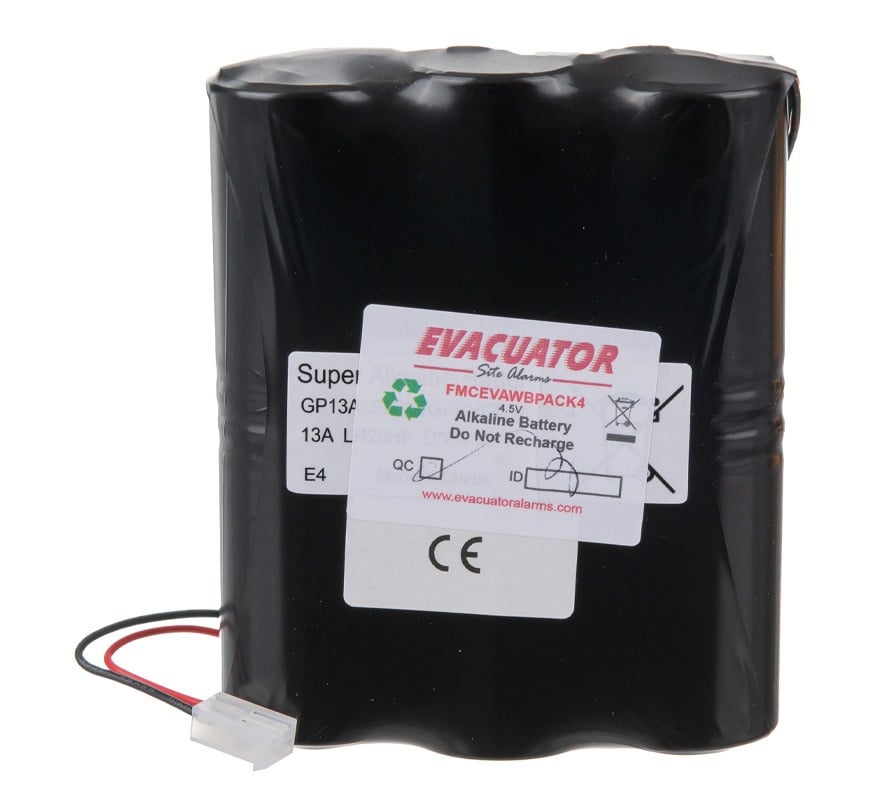
- Plan for batteries. Wireless devices are battery-powered, so include battery replacement in the maintenance plan.
Why buy from JEM Systems UK
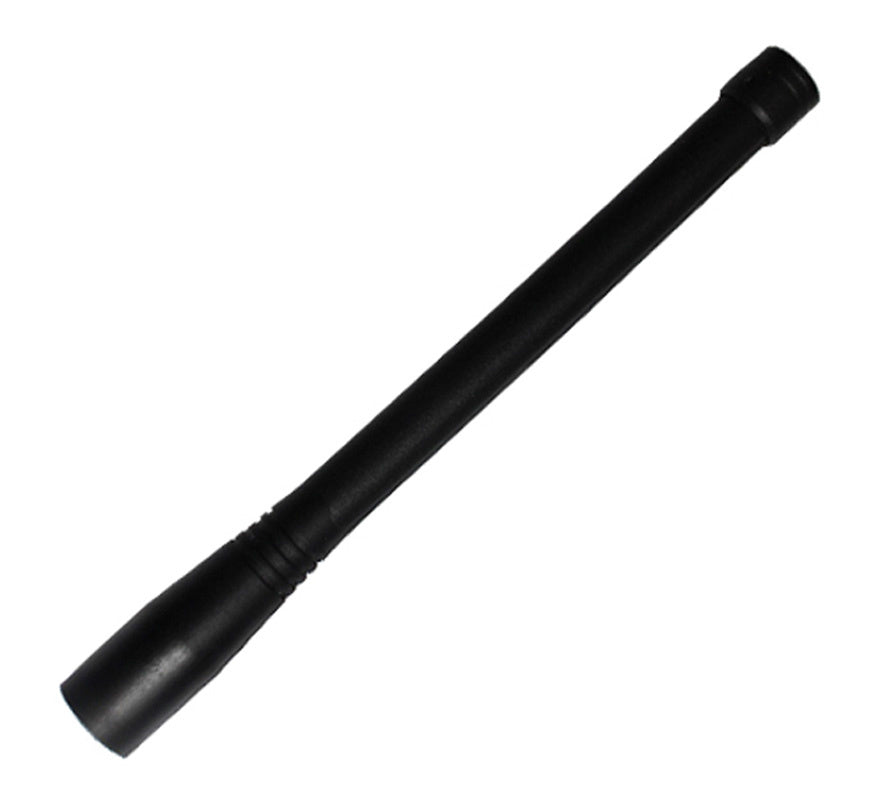
JEM Systems UK supplies genuine EMS, Apollo, Electro Detectors and Hochiki wireless devices, all brand new and factory sealed, to trade installers across the UK. Order panels, interfaces, detectors, aerials and spares in one place, alongside wired fire alarm panels and multi-sensor detectors, with fast, tracked UK delivery.
Wireless fire alarm FAQs
Are wireless fire alarms allowed in commercial buildings?
Yes. BS 5839-1 allows radio-linked fire detection, and radio components should conform to EN 54-25. The system should be designed, installed and commissioned by a competent person.
Can wireless devices be added to an existing wired fire alarm?
Yes, where a hybrid range exists for your panel. Apollo XPander and REACH, Hochiki Ekho, Notifier Agile and EMS FireCell connect wireless devices to a wired system through a loop interface, gateway or radio hub.
What are the downsides of a wireless fire alarm system?
Devices cost more than wired equivalents, batteries need periodic replacement, and building construction can limit radio range. In return, installation is quicker and much less disruptive.
Where are wireless fire alarms most useful?
Listed and historic buildings, occupied premises such as schools and offices, temporary sites and extensions where cabling would be difficult or disruptive.
Do wireless fire alarm systems need a control panel?
Yes. A wireless fire alarm system either has its own wireless control panel, such as SmartCell or Zerio Plus, or connects to a wired fire alarm panel through an interface, gateway or radio hub, as with Apollo XPander and REACH, EMS FireCell and Hochiki Ekho.
Learn more: wireless fire alarm systems: when do they make sense