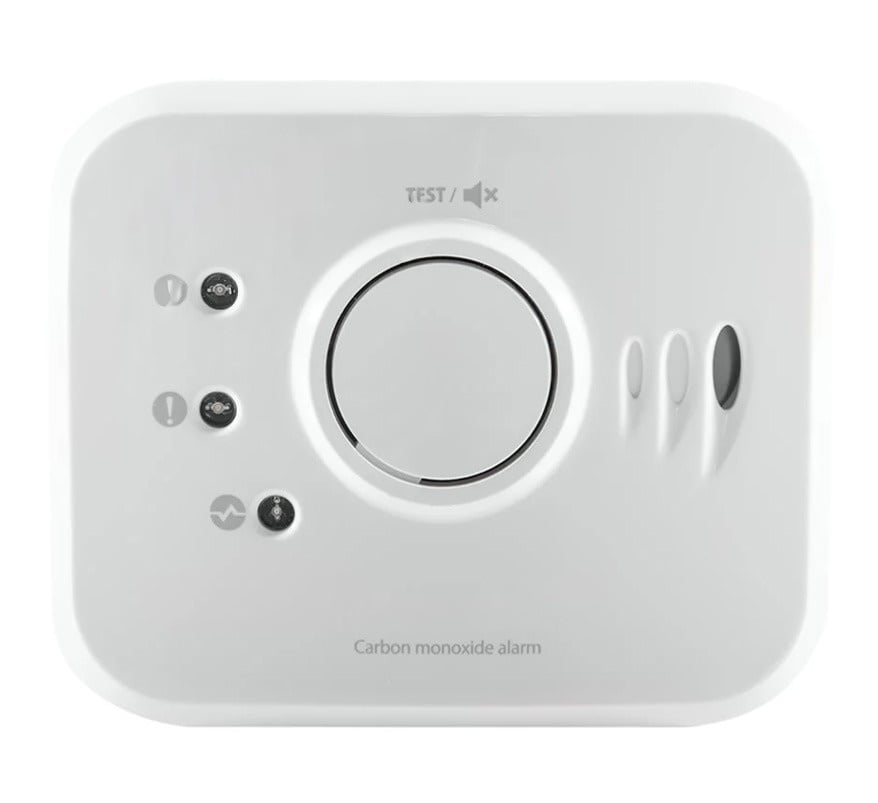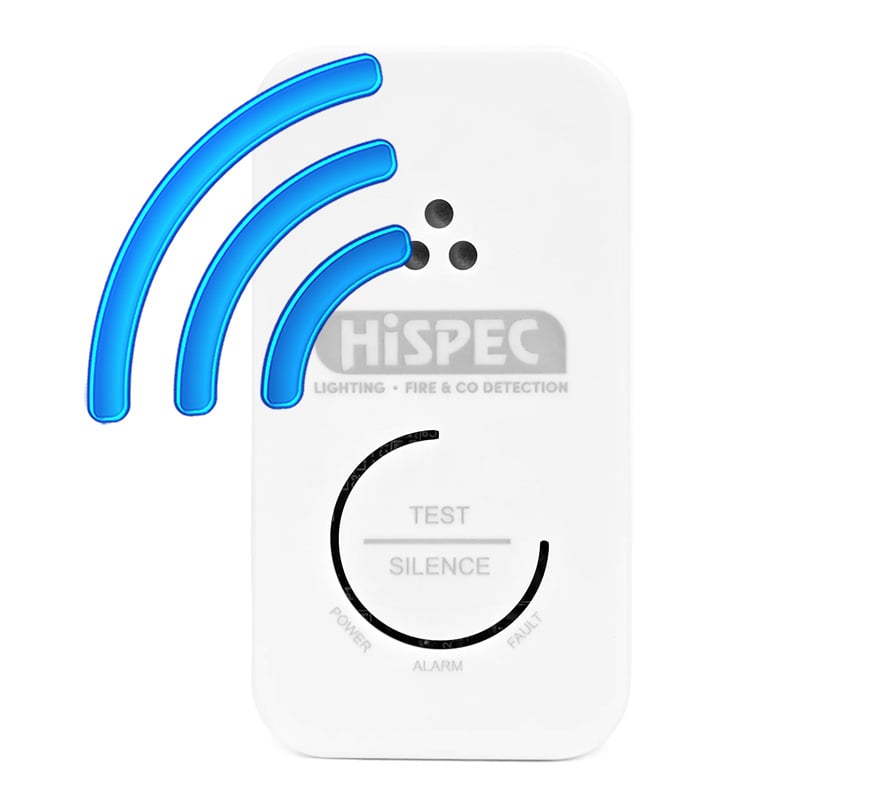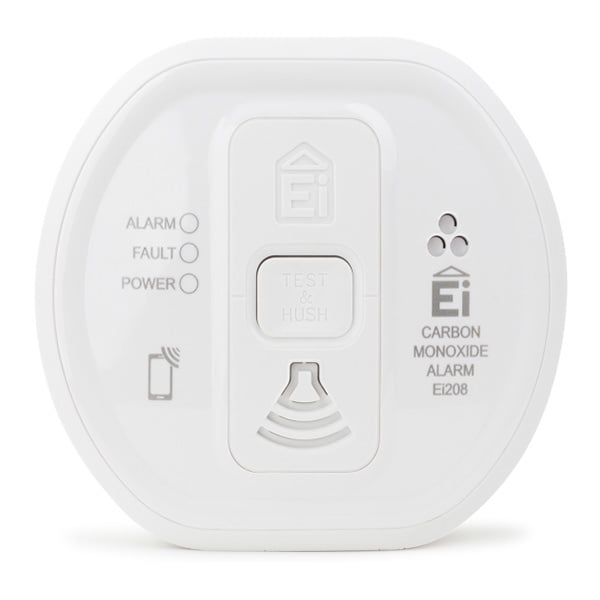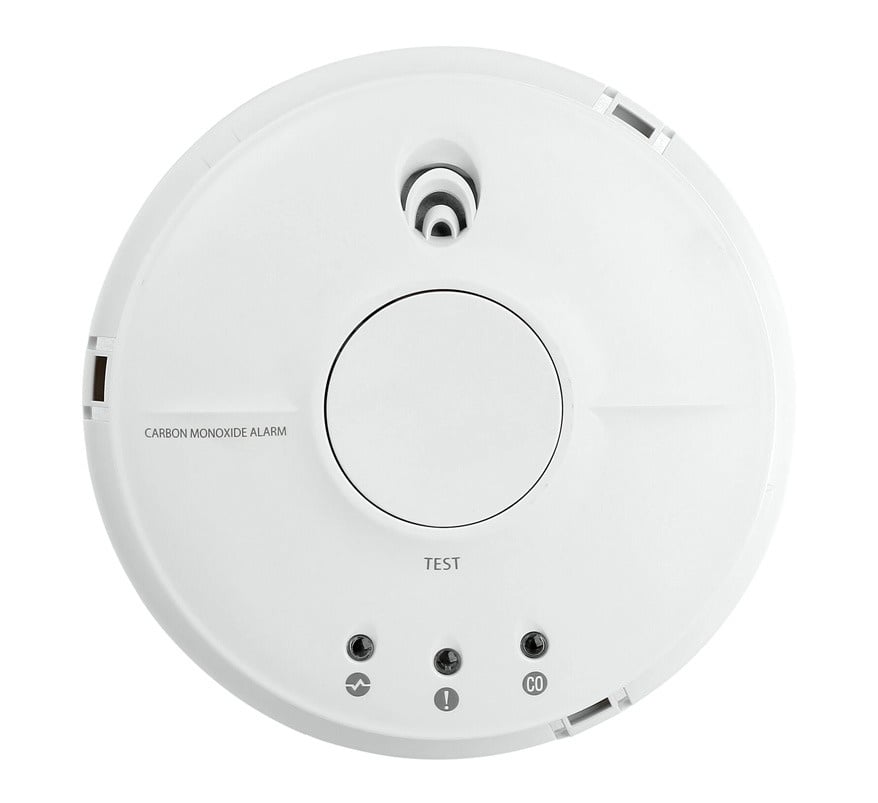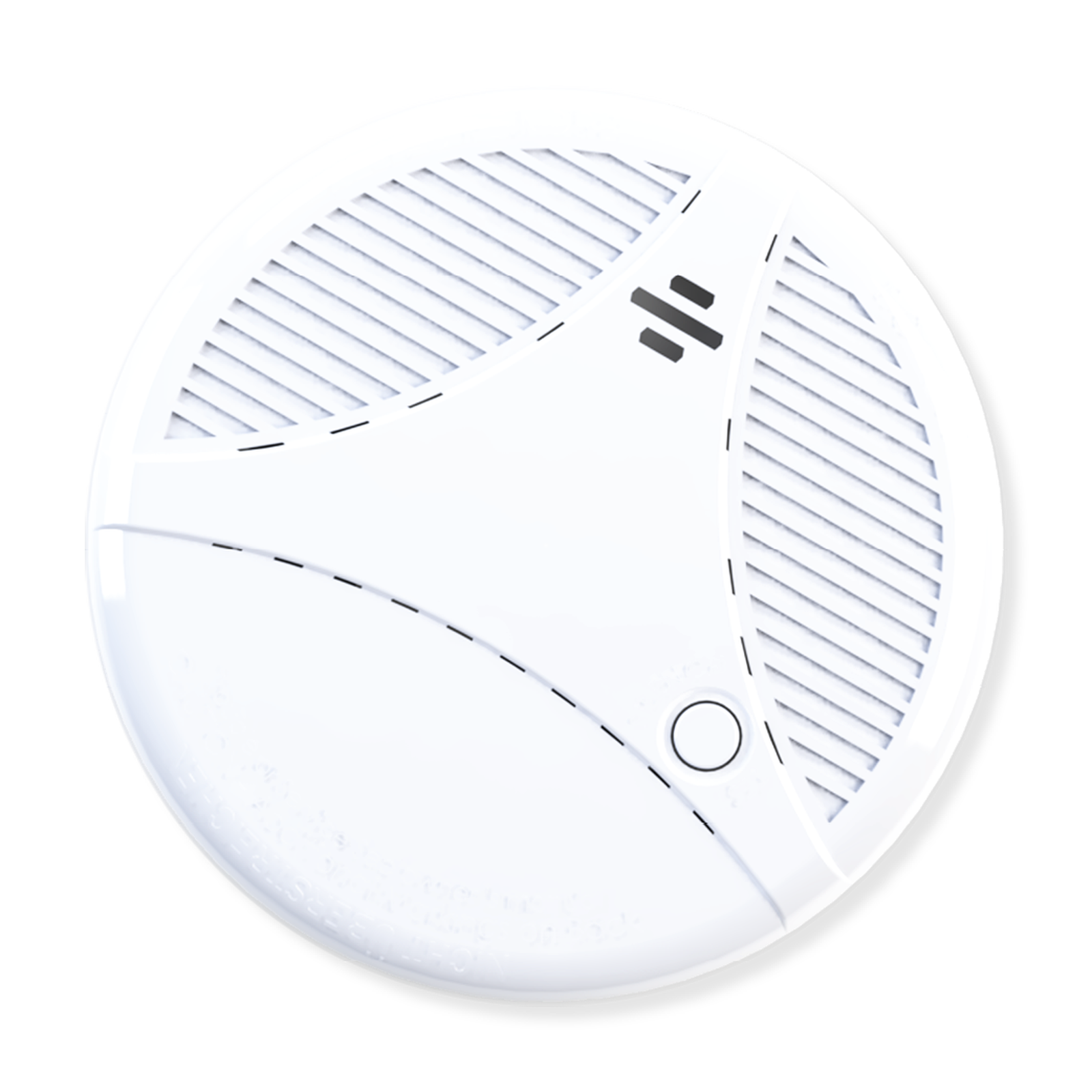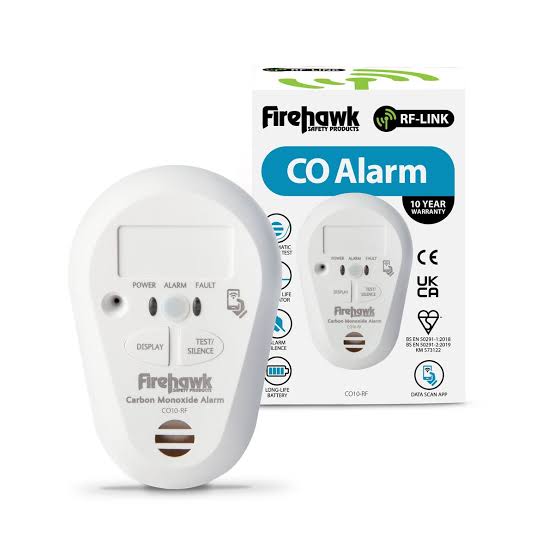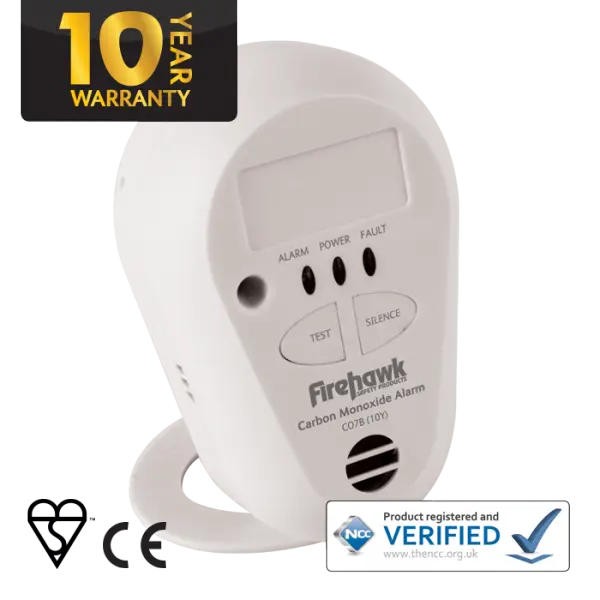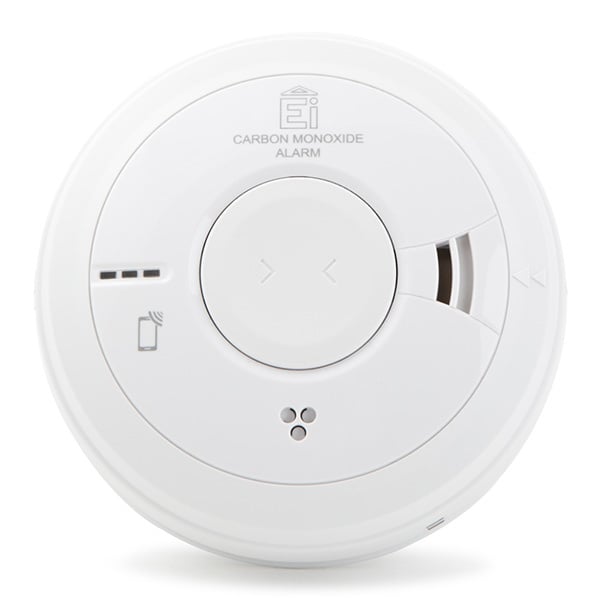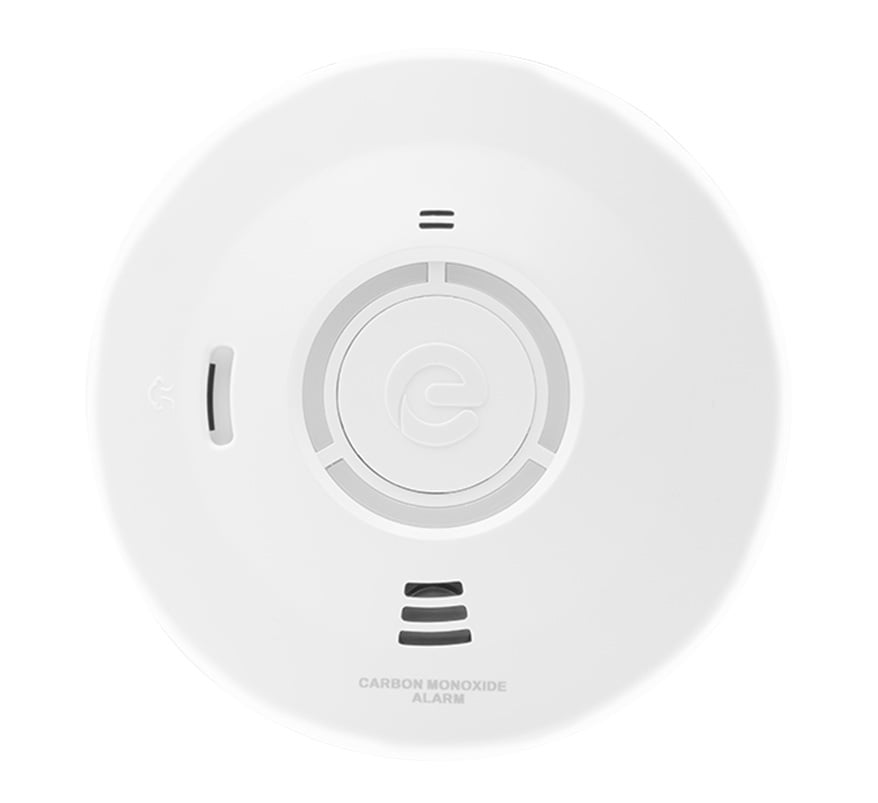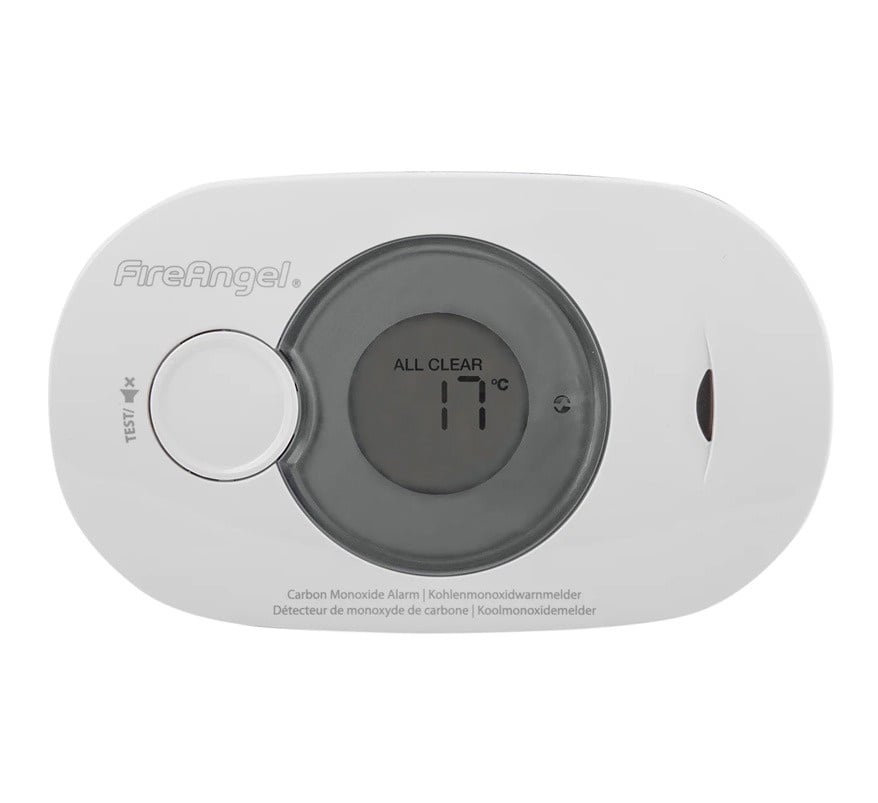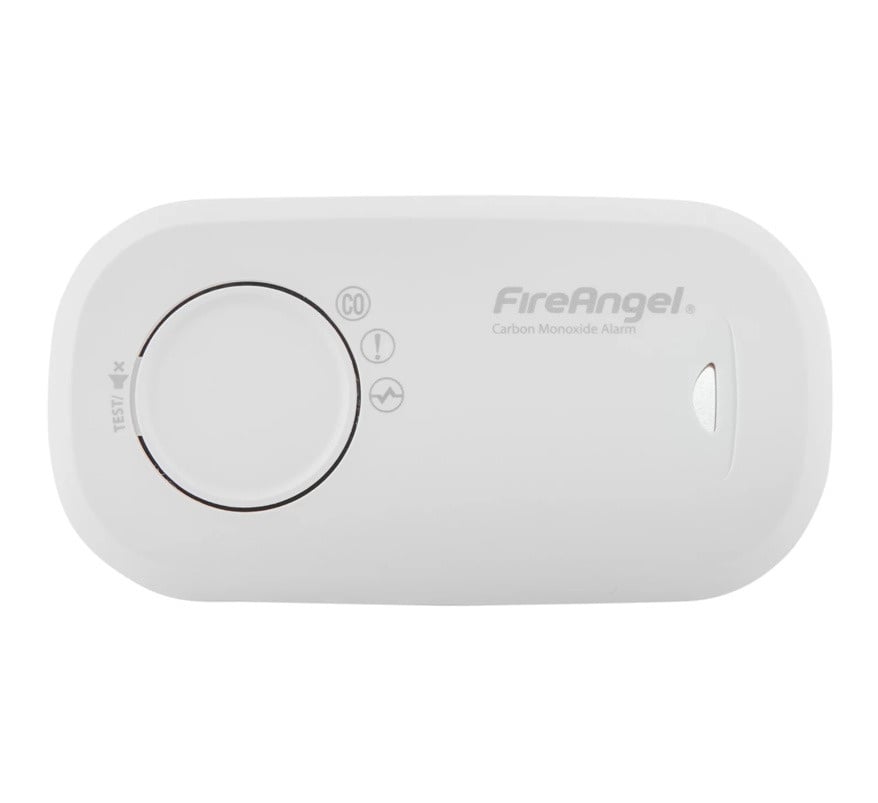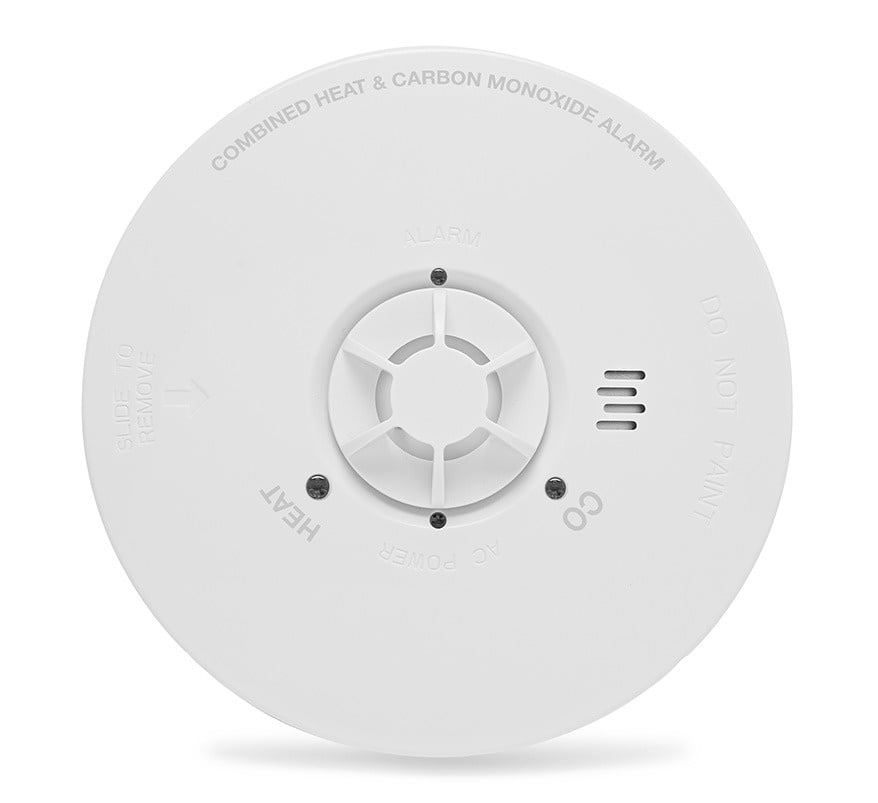
Buy carbon monoxide detectors and CO alarms for homes, rented property and commercial buildings. The range covers sealed battery, mains-powered, radio-interlinked and addressable CO detection from Aico, FireAngel, Hispec, Honeywell Home, X-Sense, FireHawk, Firechief and Zeta.
Types of carbon monoxide detector
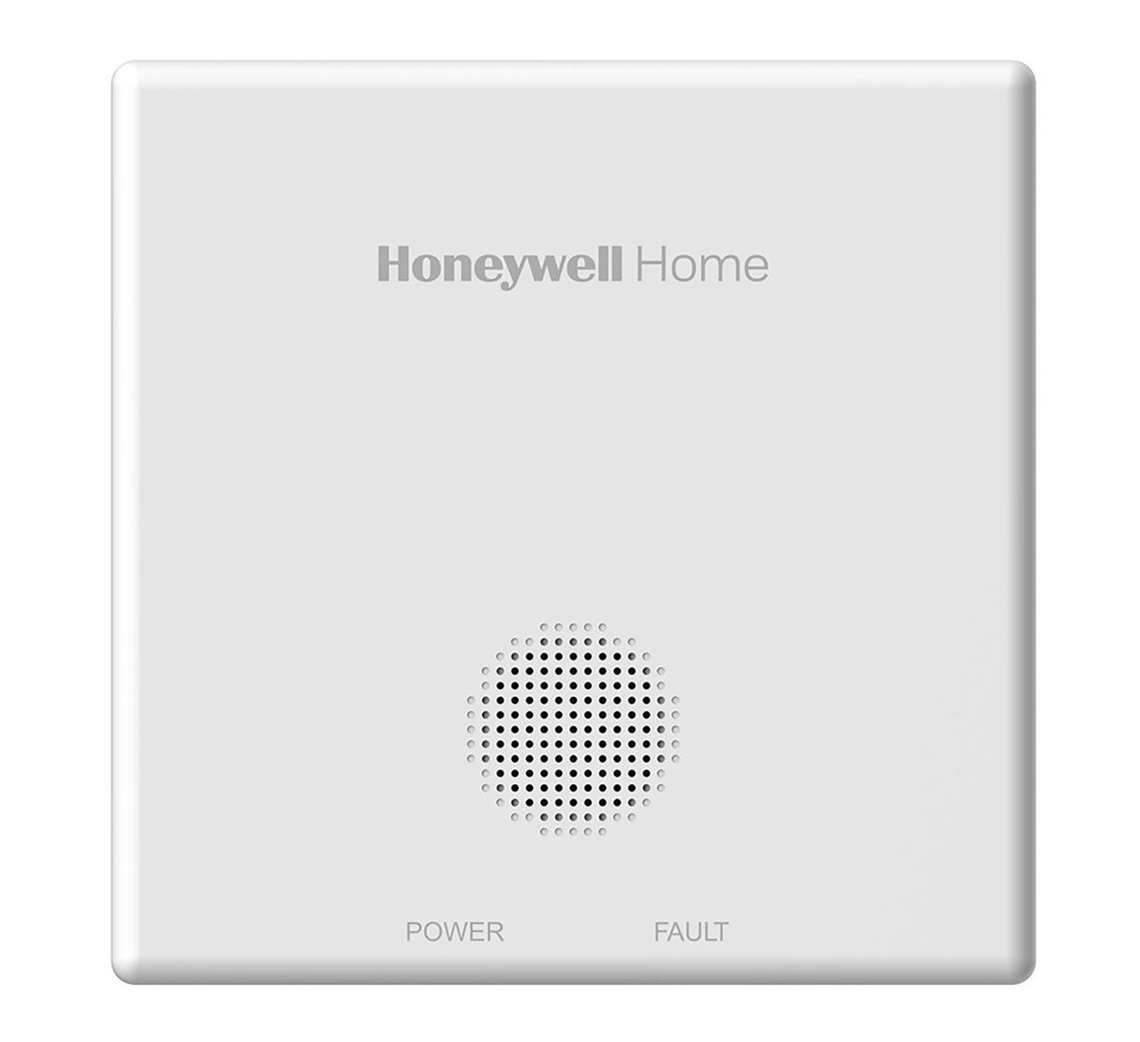
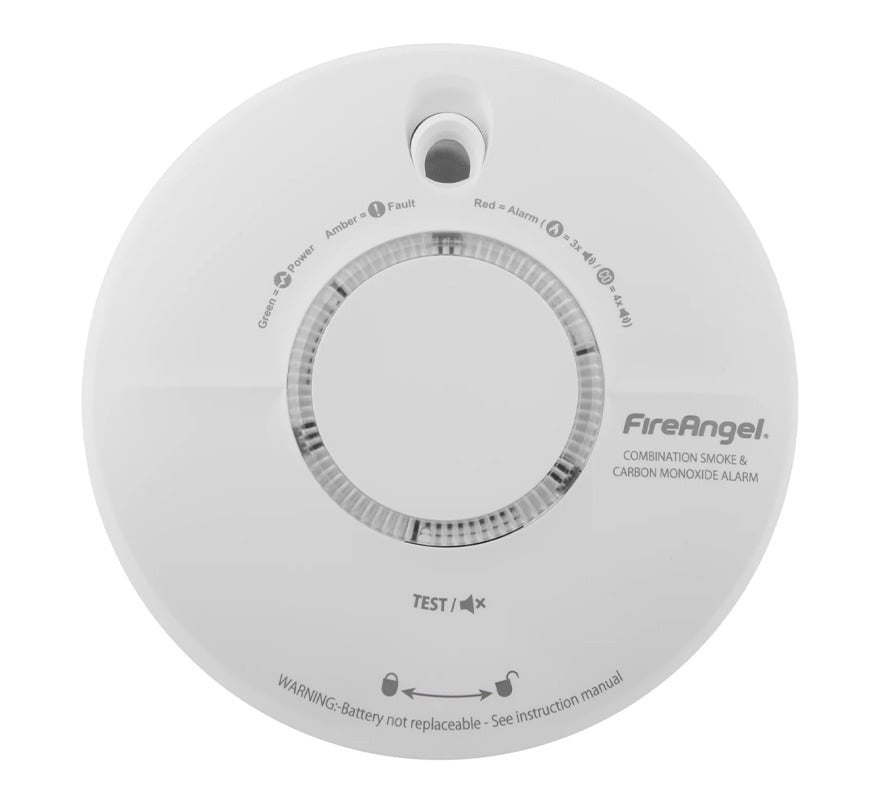
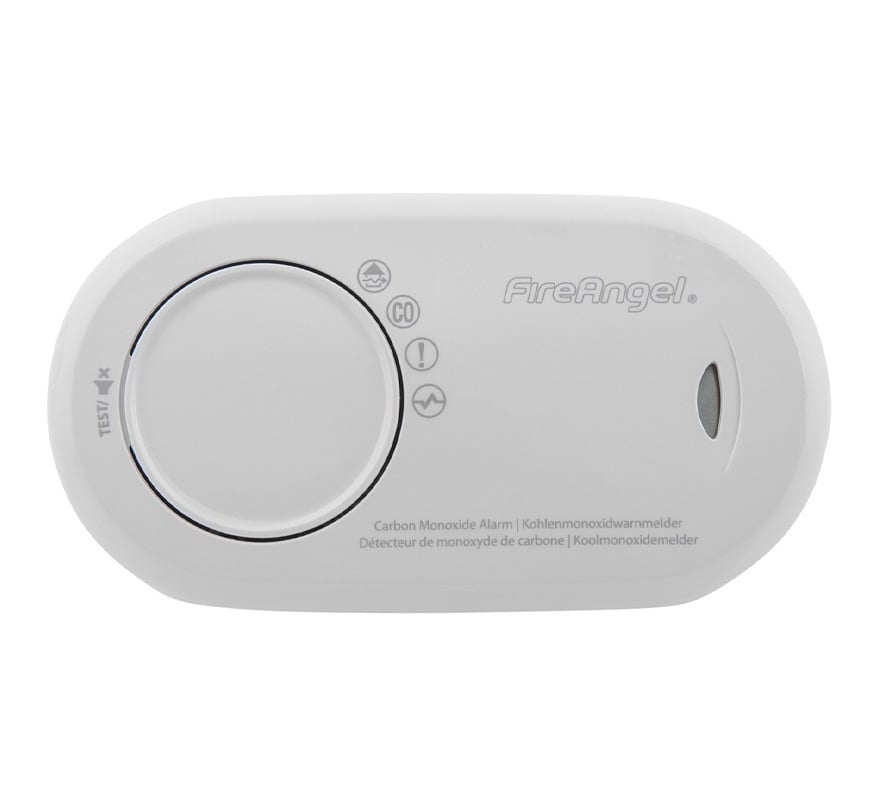
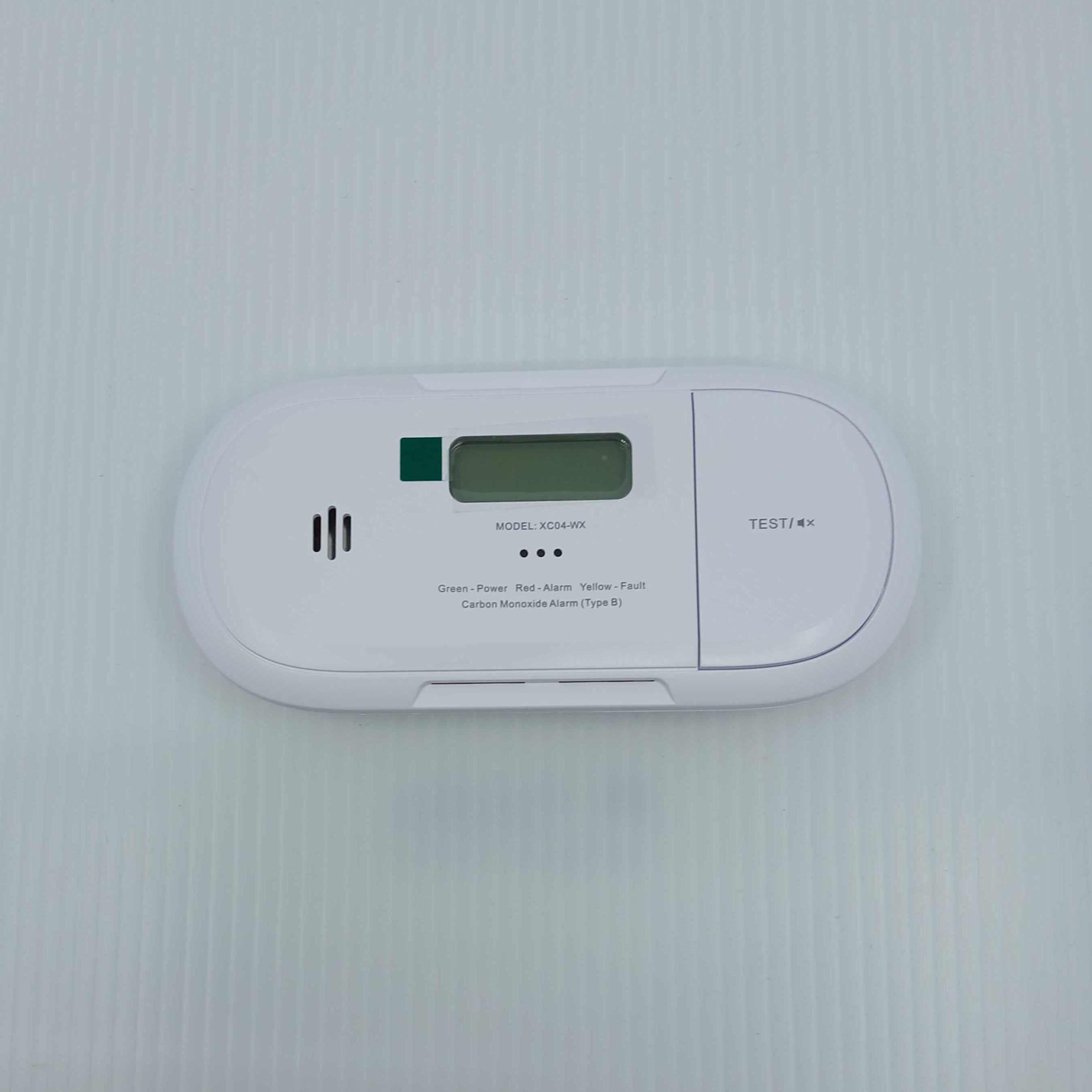
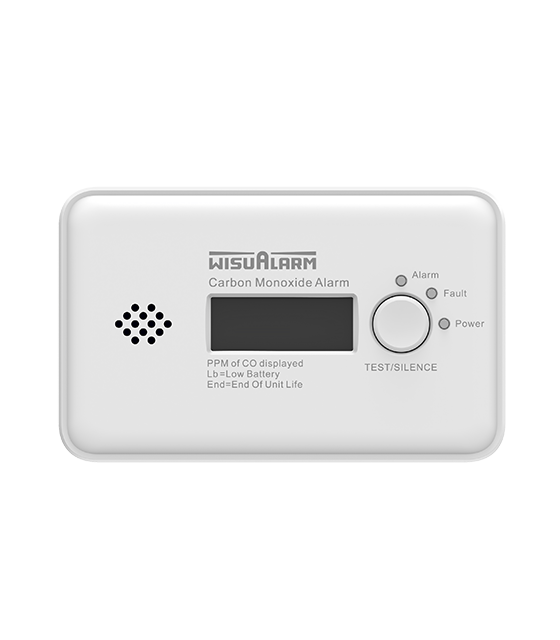
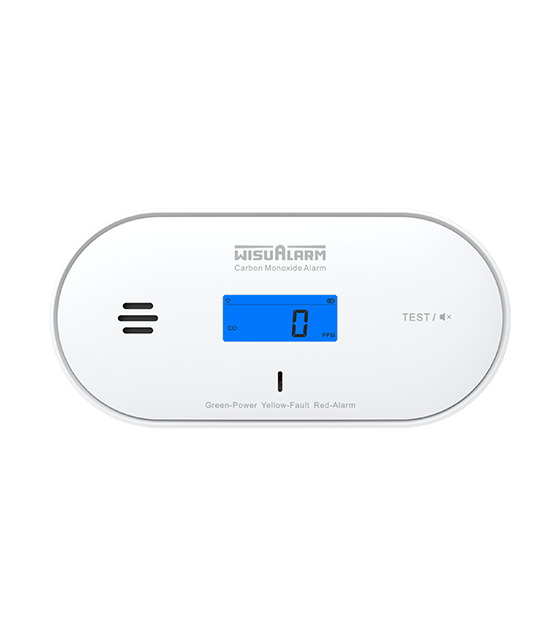
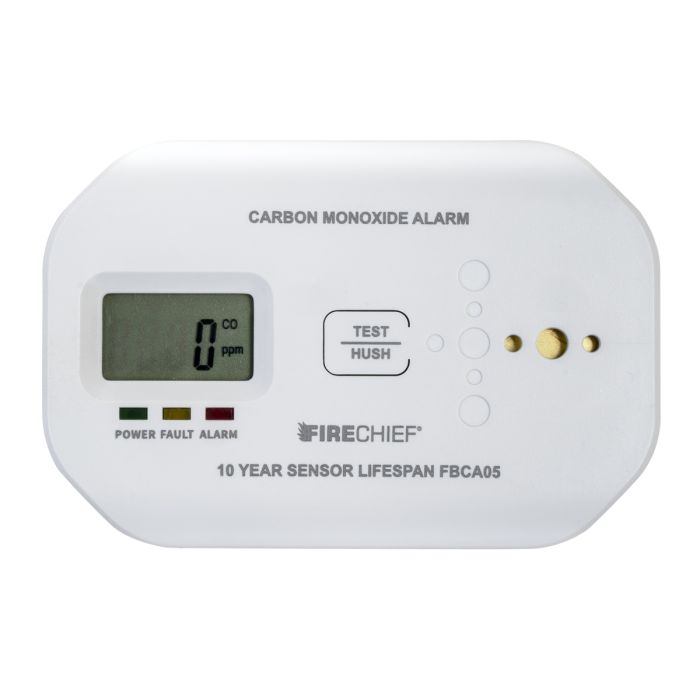
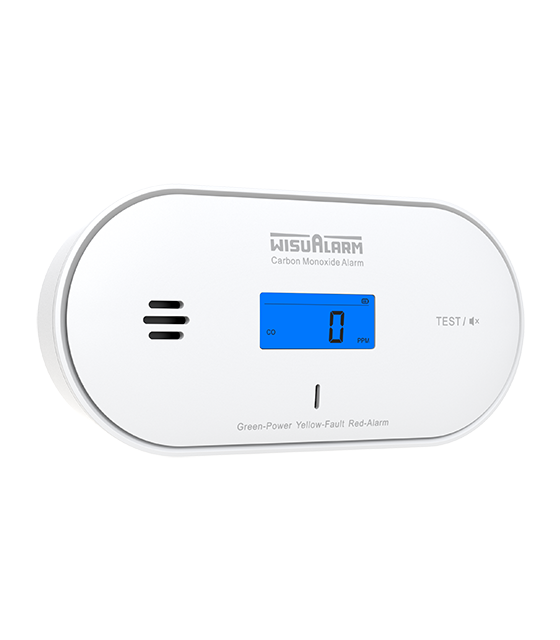
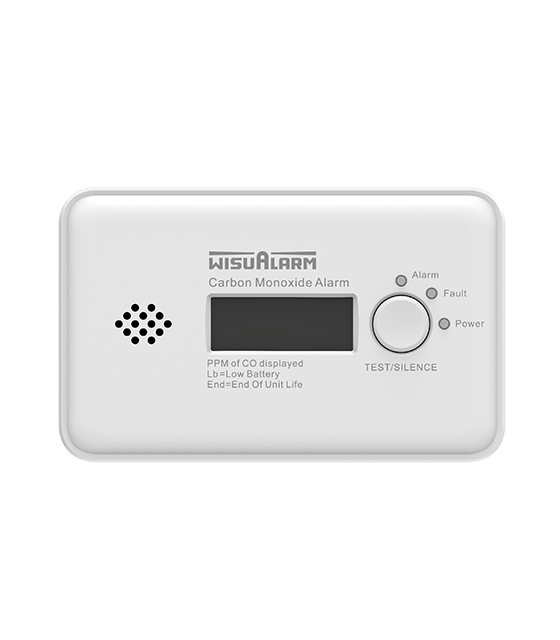
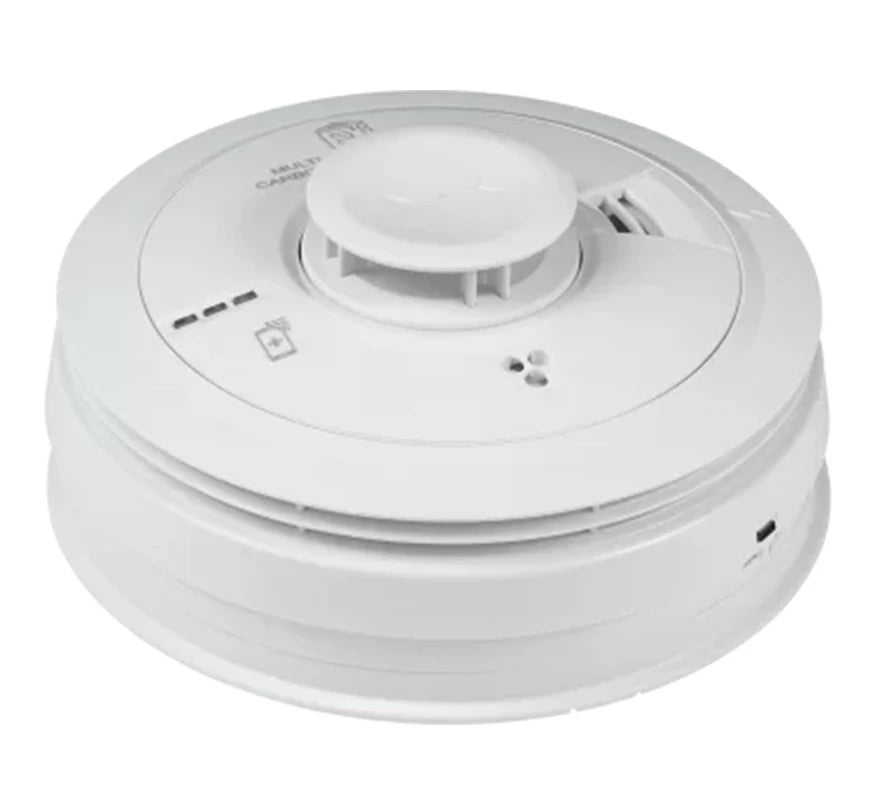
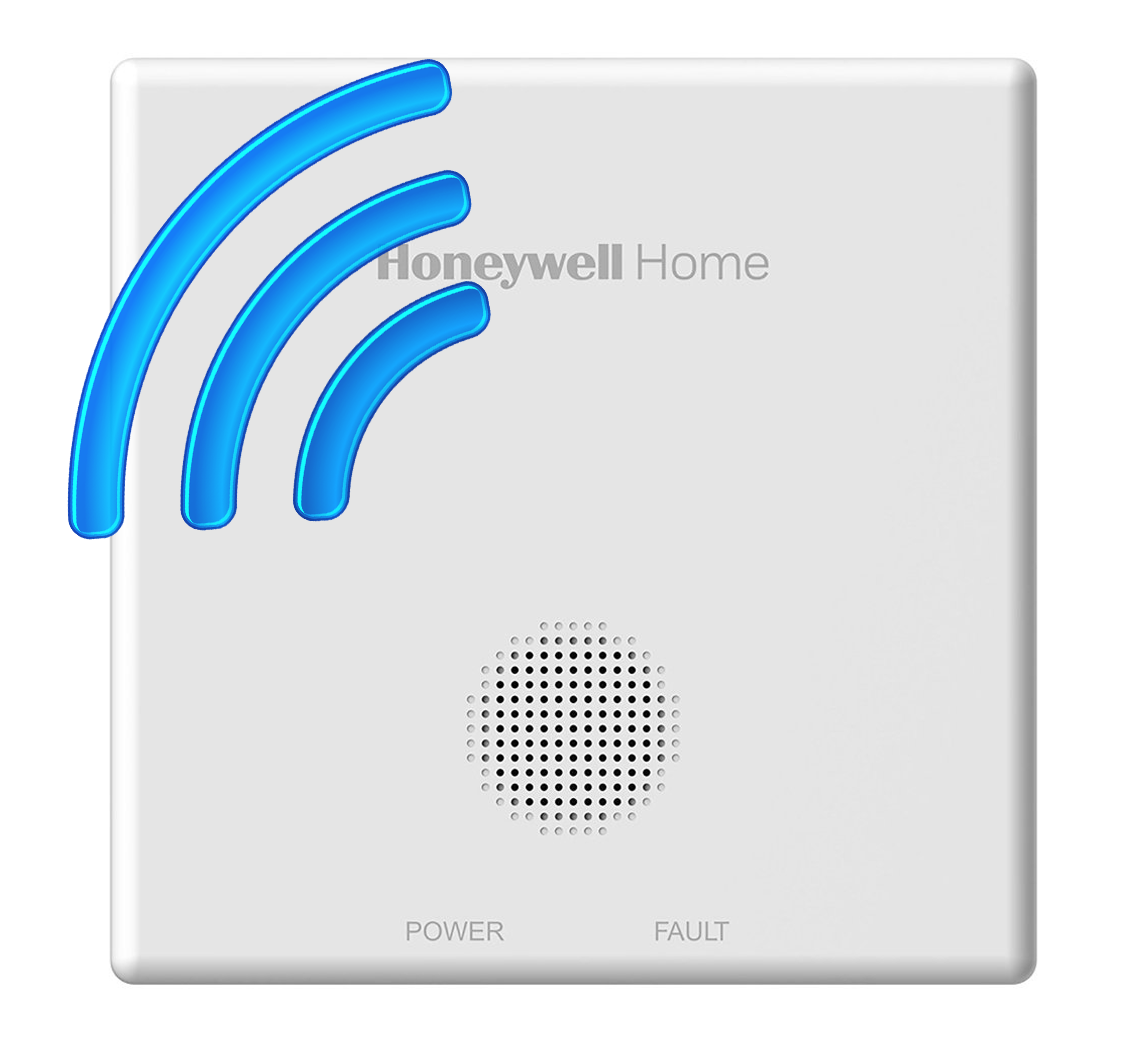
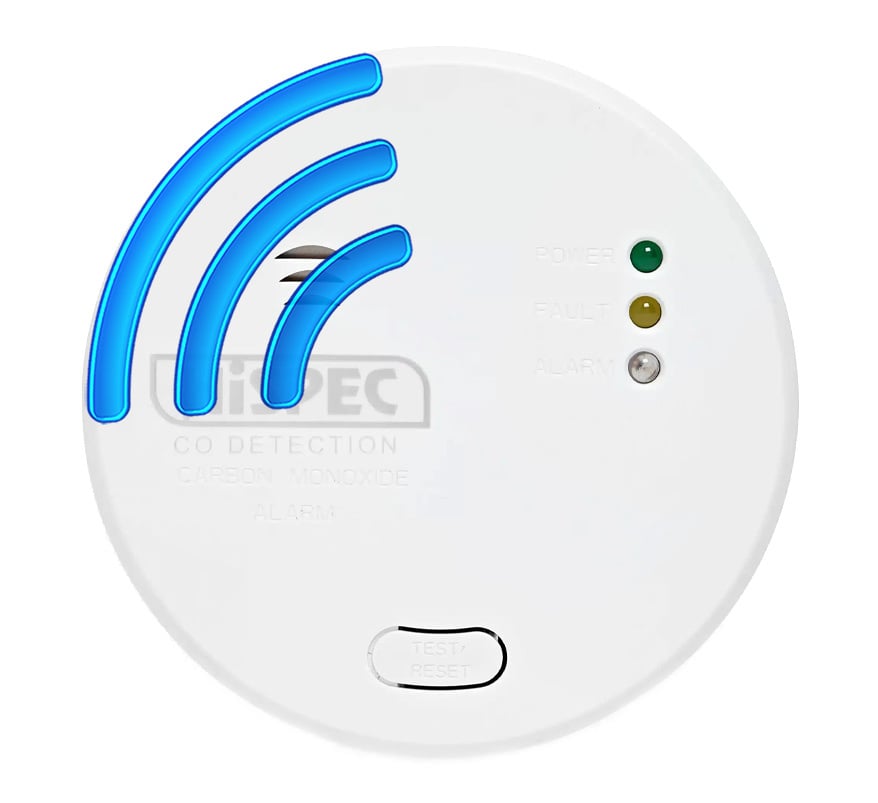
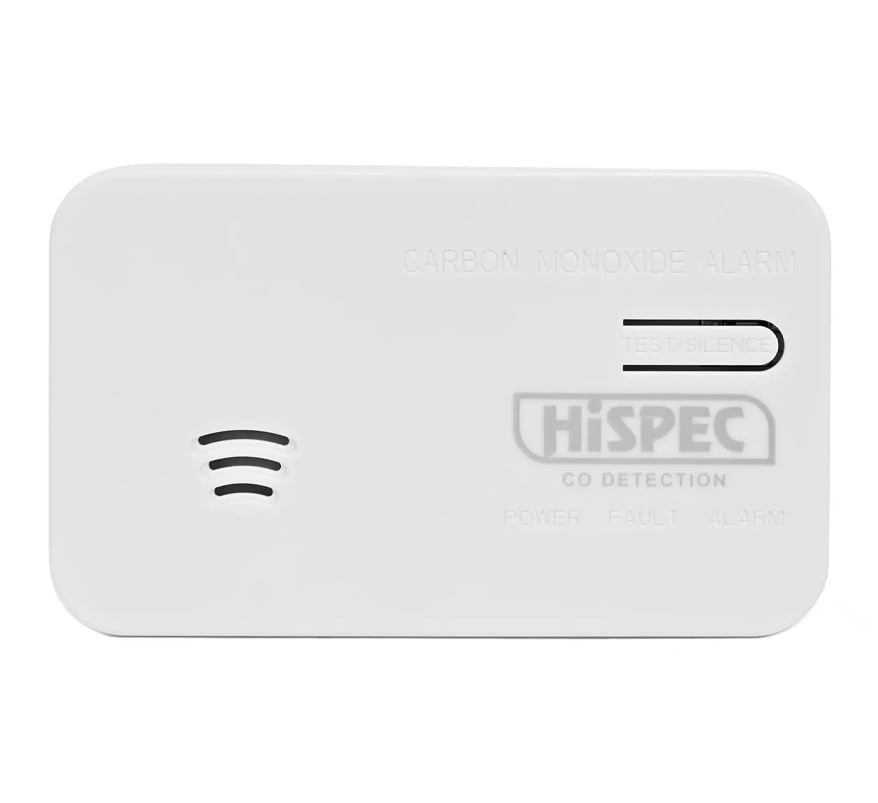
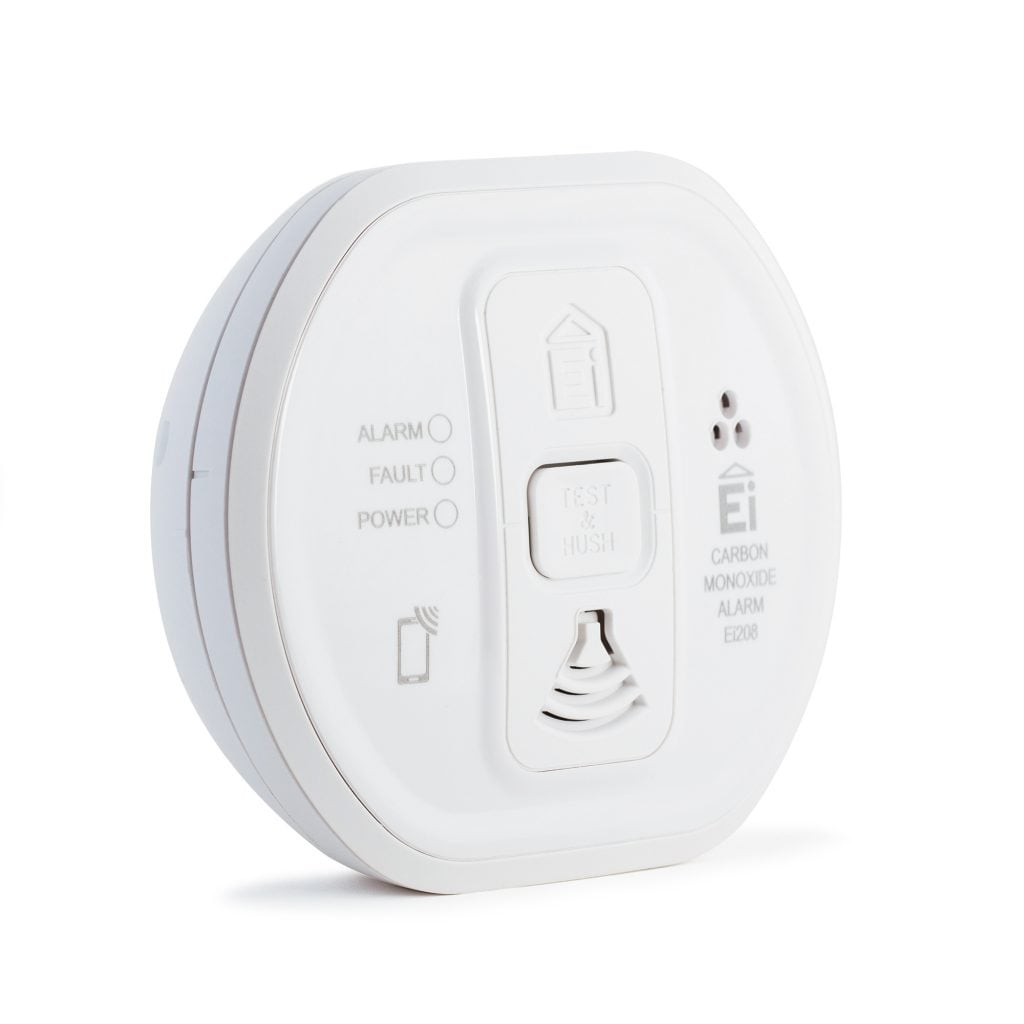
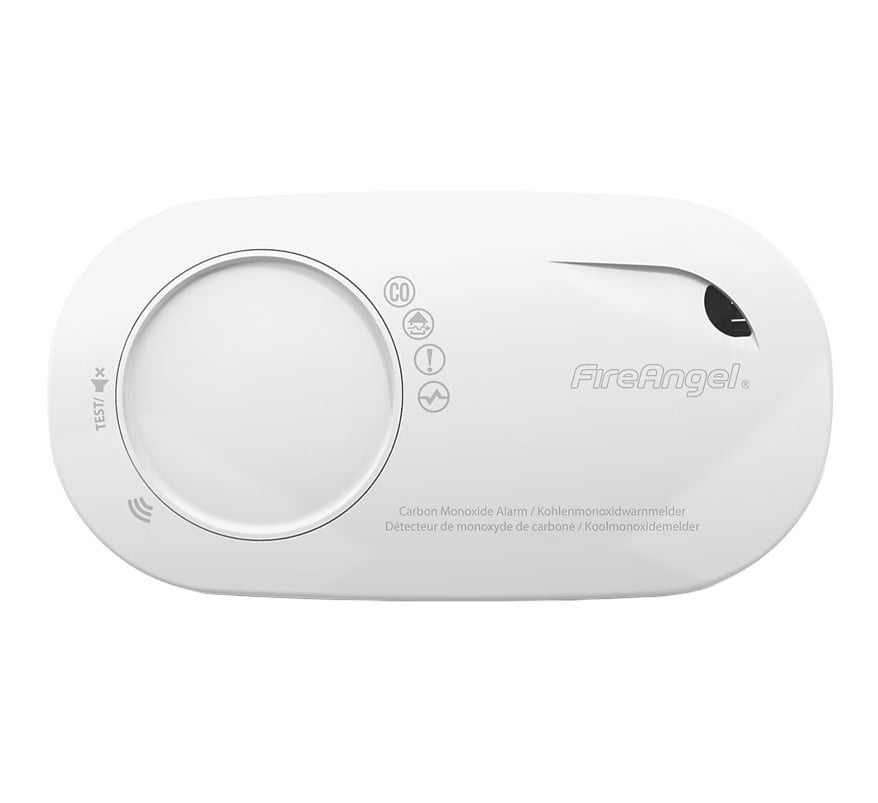
- Battery CO alarms – no wiring needed. Models include the Aico Ei208, FireAngel FA3820, Honeywell Home R200C-1, Hispec HSA/BC/10, FireHawk and Firechief, plus digital display versions.
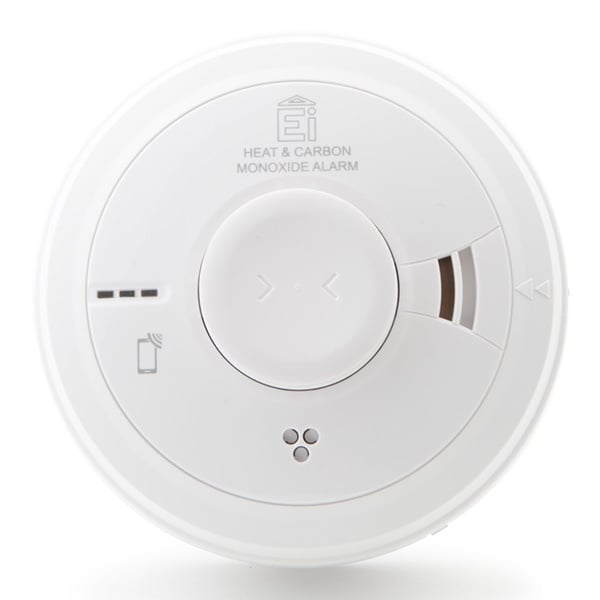
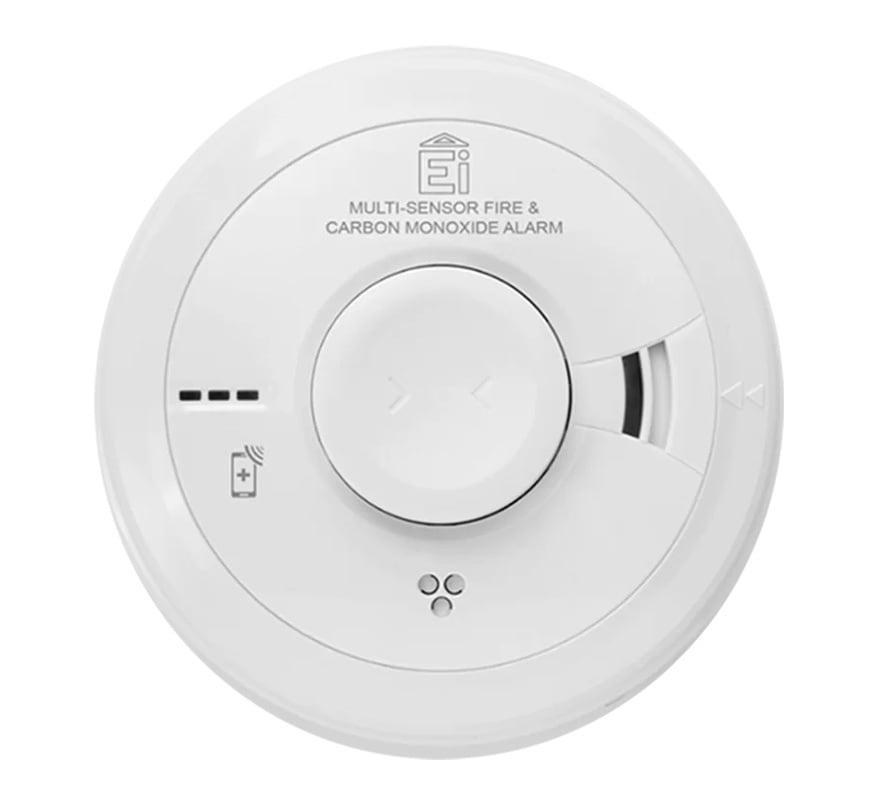
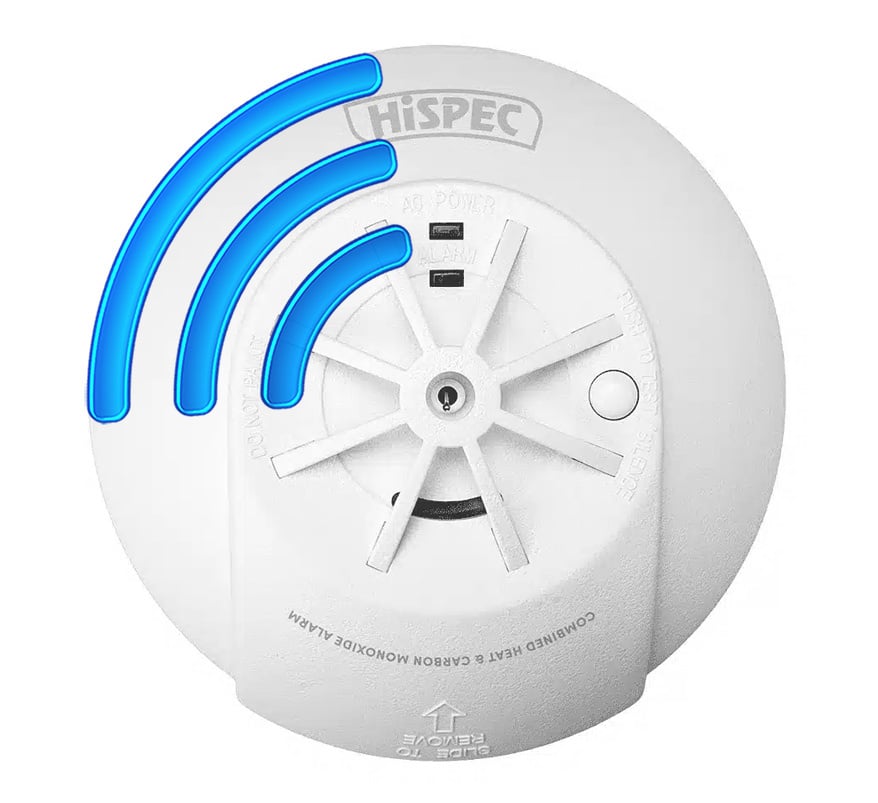
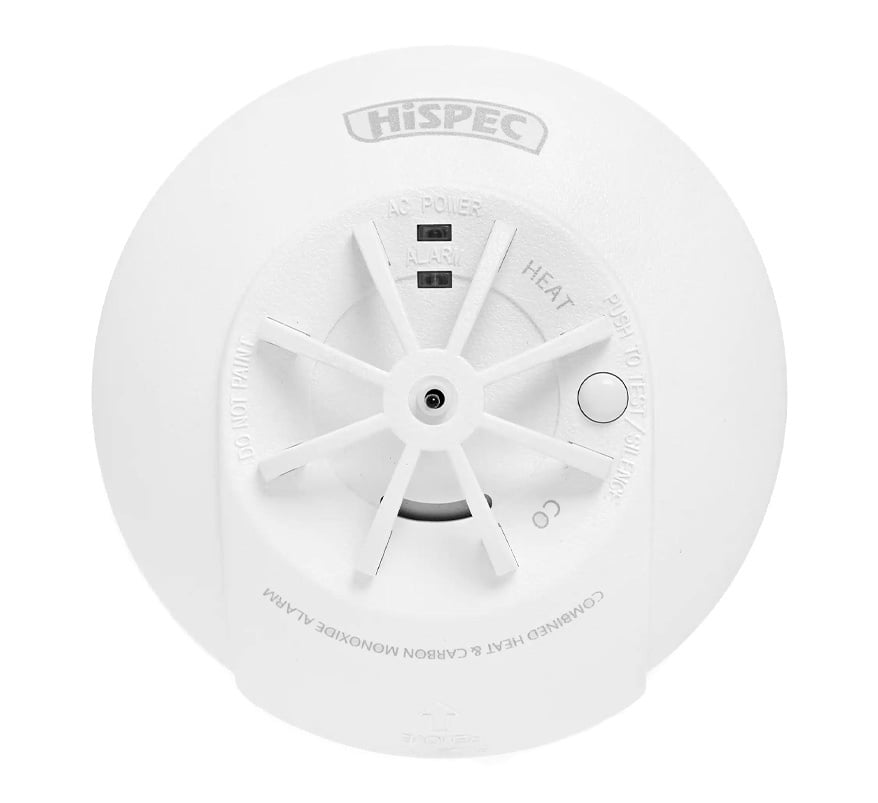
- Mains-powered CO alarms – hard-wired alarms with a back-up battery, such as the Aico Ei3018 and Hispec HSSA/CO/FF10. The range also has combined heat and CO alarms, including the Aico Ei3028.
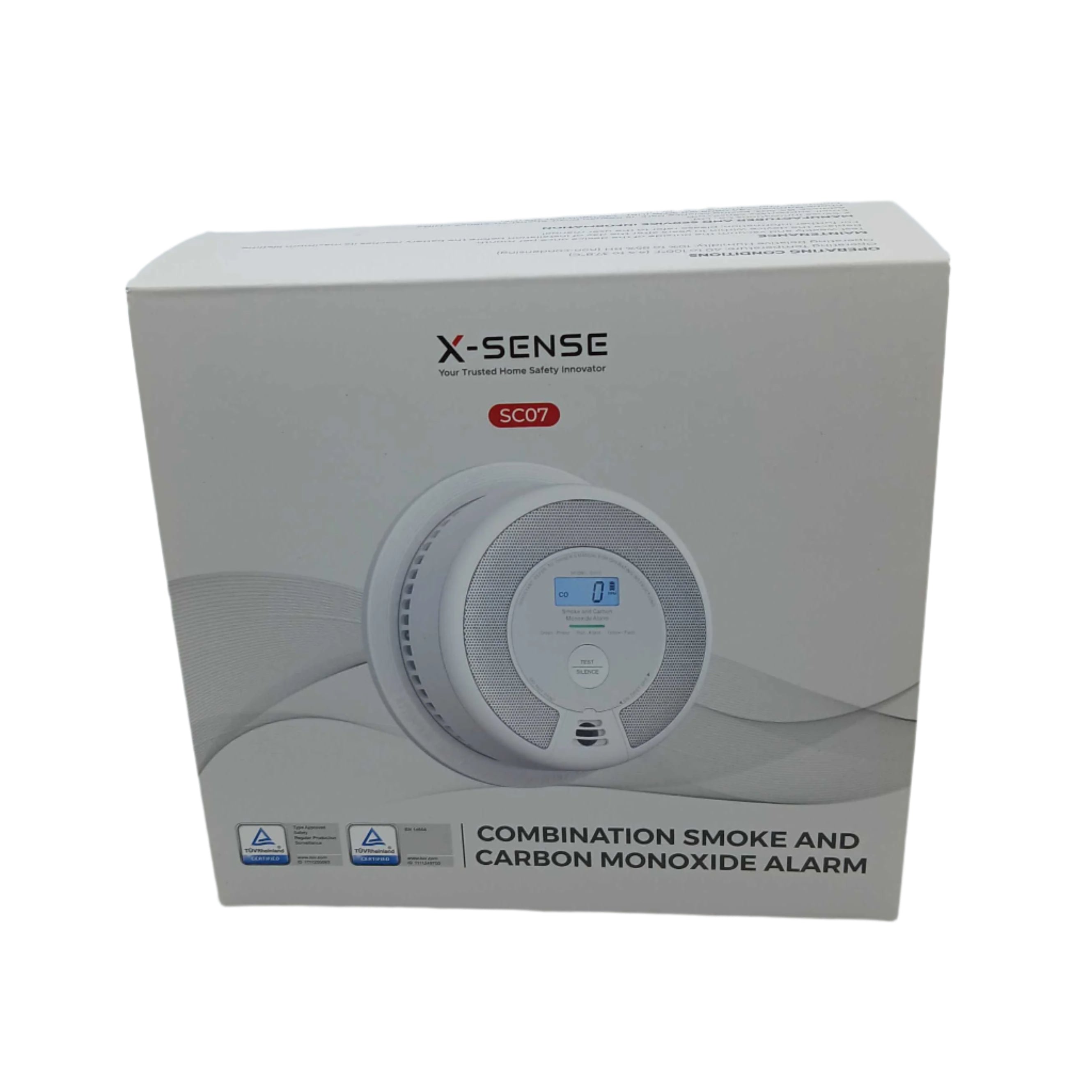
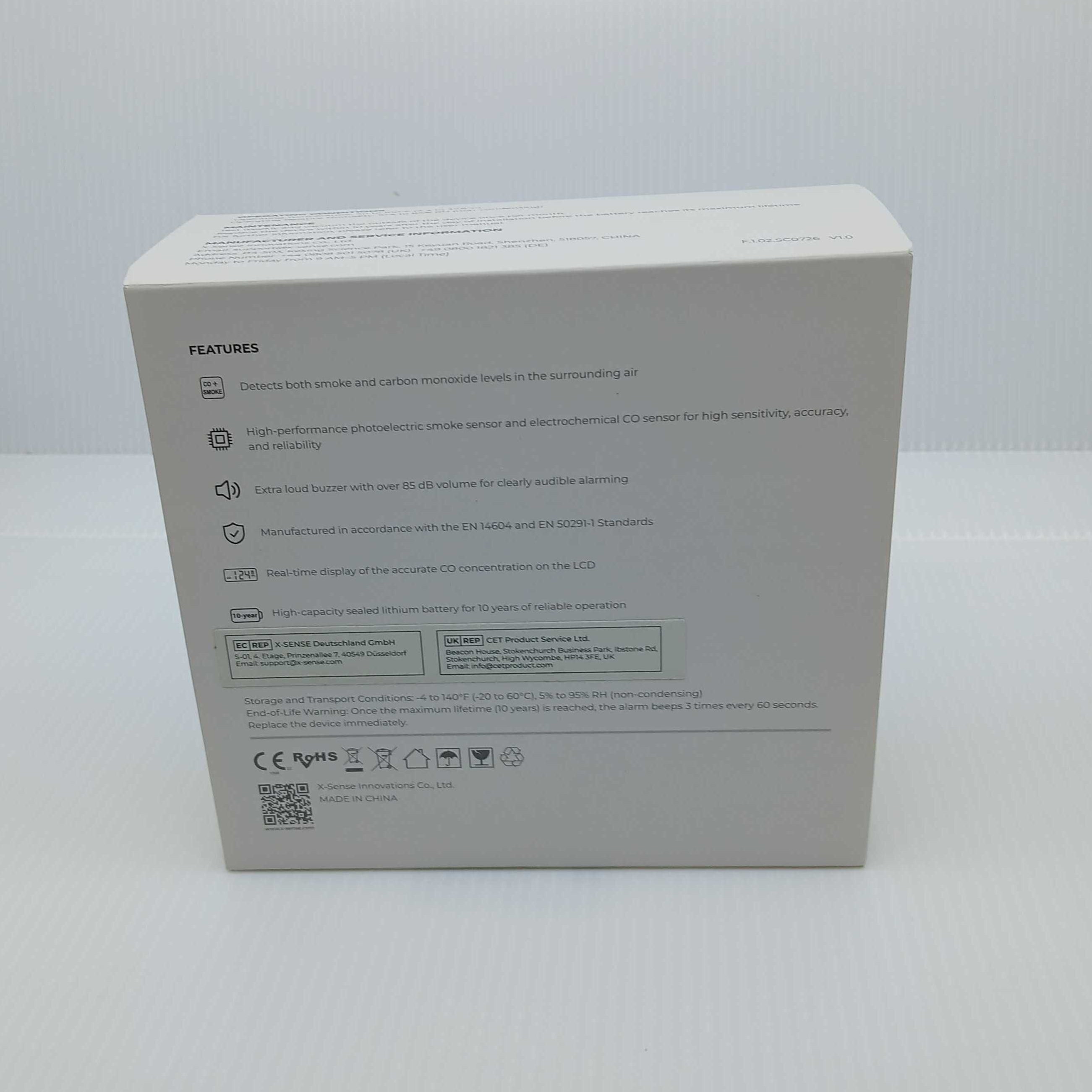
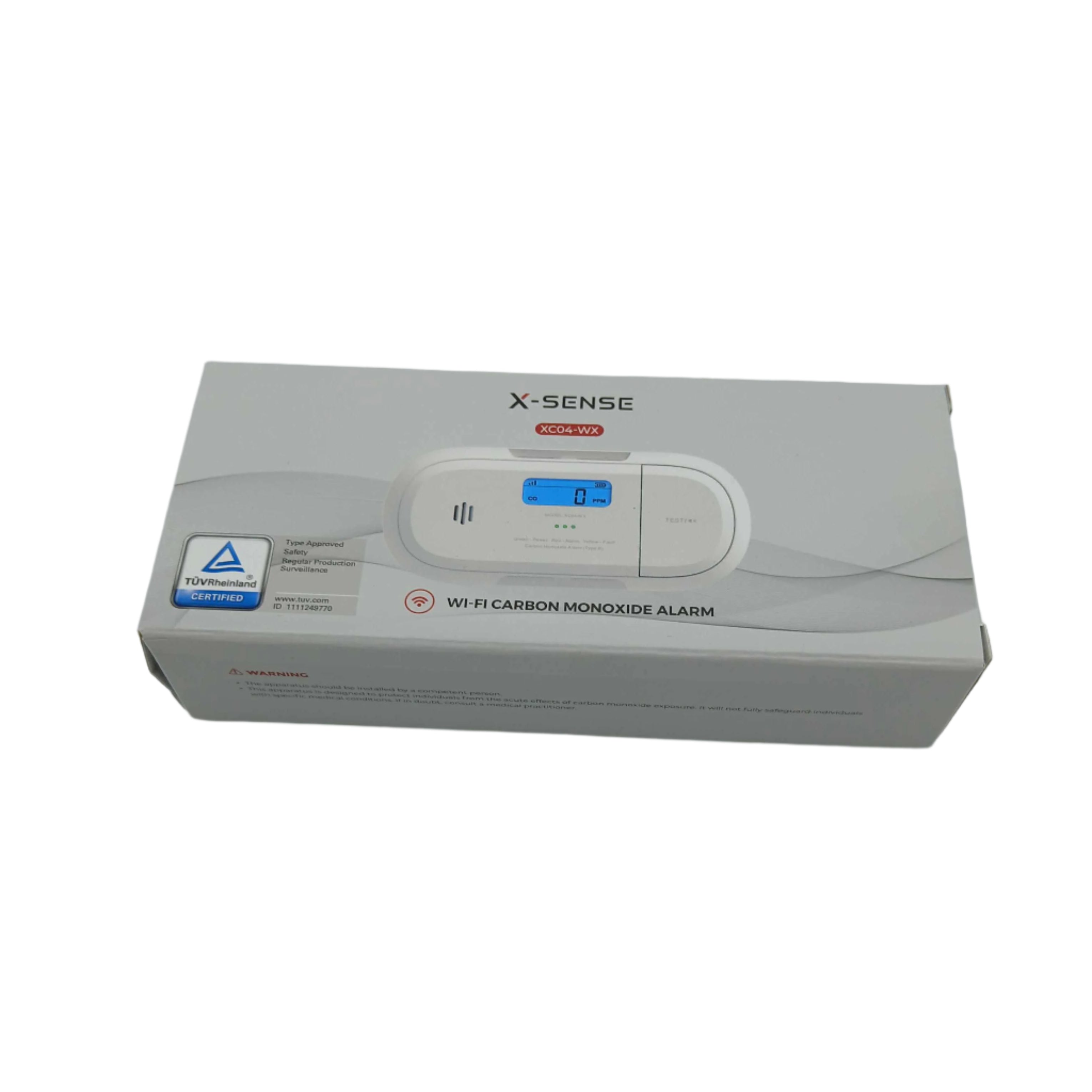
- Radio-interlinked CO alarms – the Aico Ei208WRF, Honeywell Home R200C-N1 and Hispec RF PRO. These link with the same brand's smoke and heat alarms. Combined smoke and CO alarms such as the X-Sense SC07 are also available.
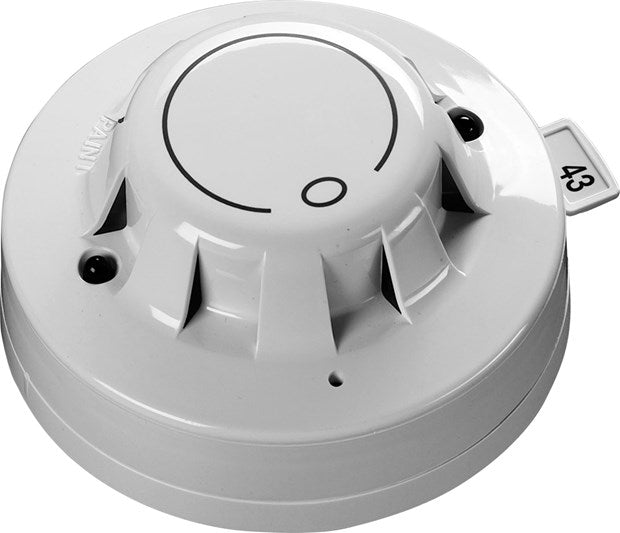
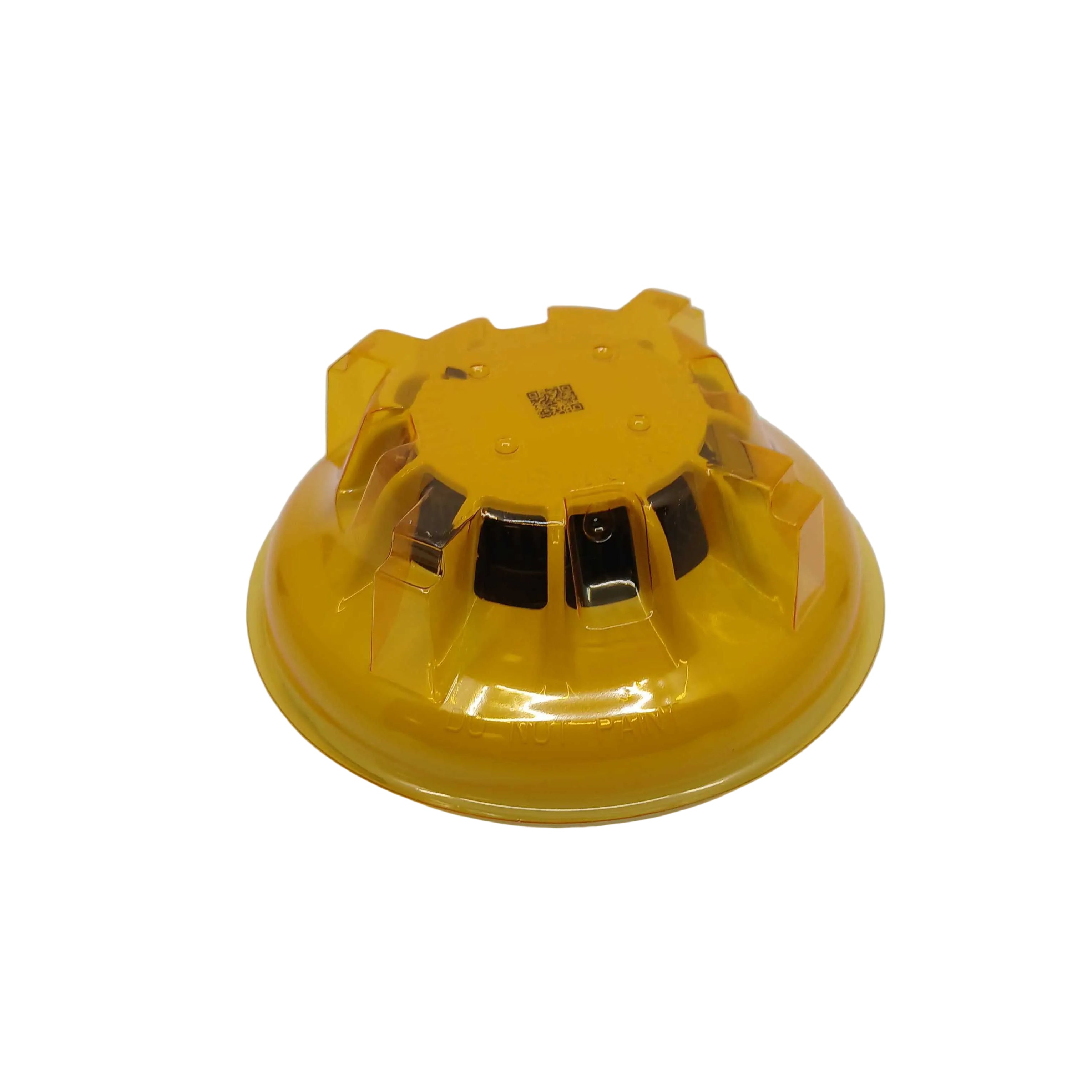
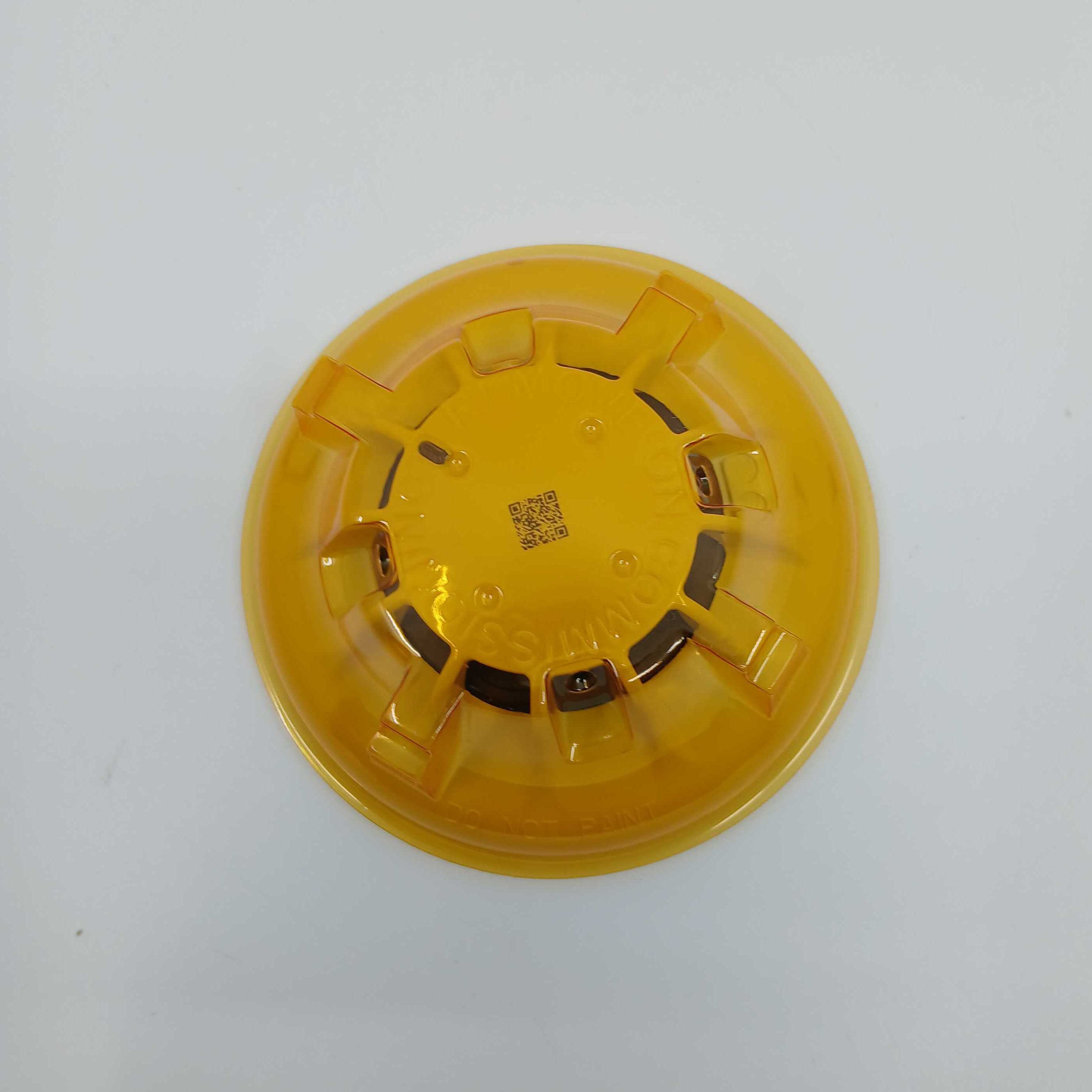
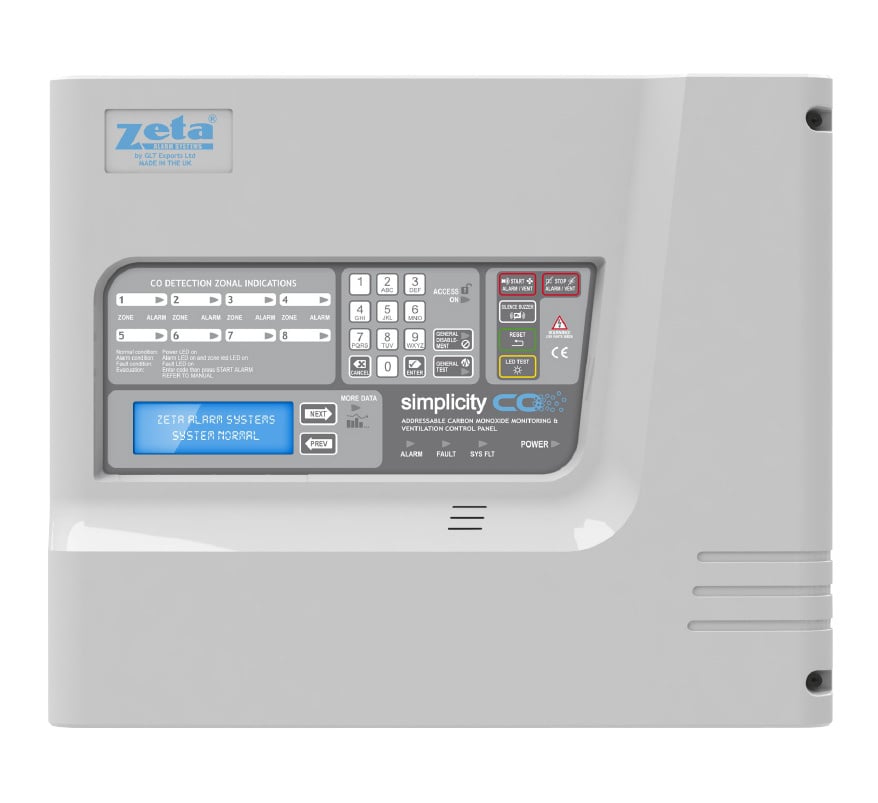
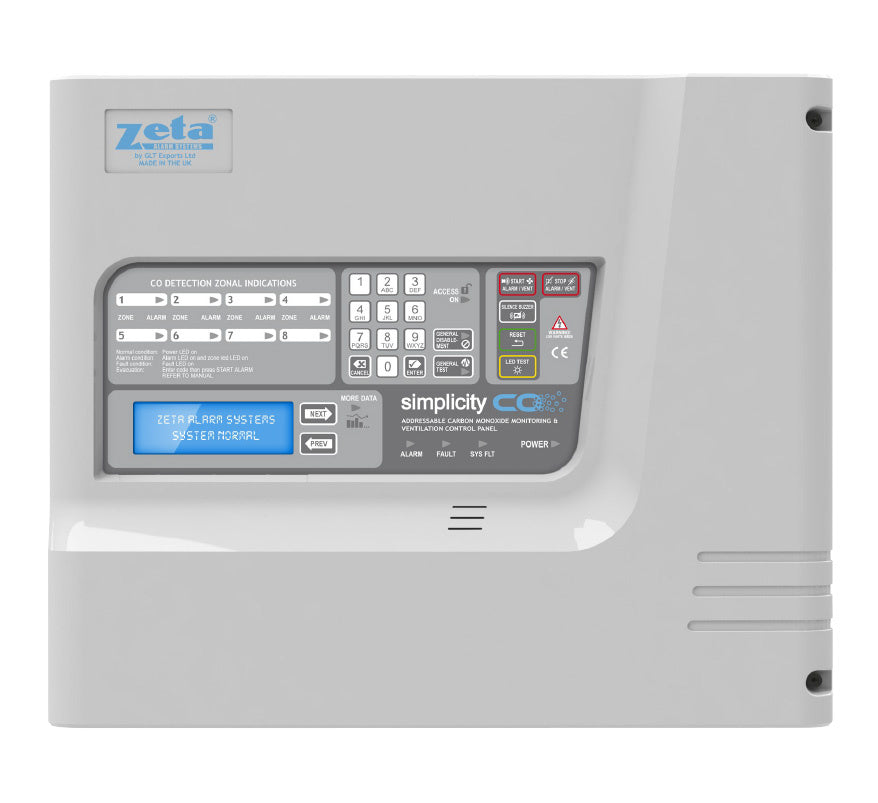
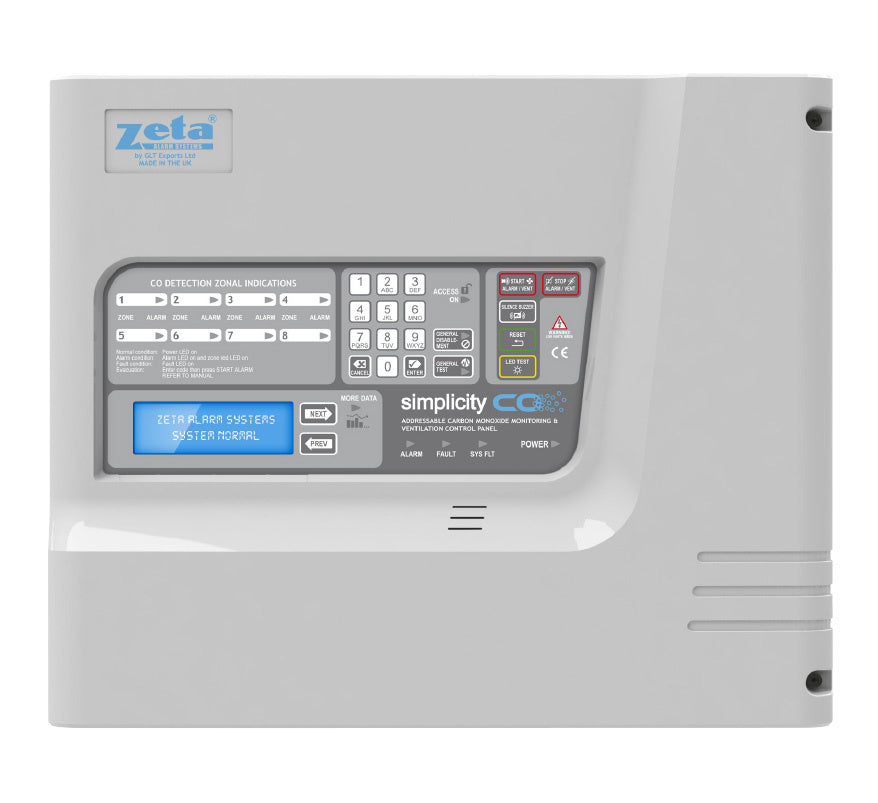
- Commercial and system CO detectors – the Apollo Discovery CO detector, the FireClass FC460PC and Zeta Simplicity CO addressable panels with Fyreye CO800G detectors. Heads with CO sensing are listed under multi-sensor detectors.
Where to fit CO alarms and the regulations
In England, the Smoke and Carbon Monoxide Alarm (Amendment) Regulations 2022 have applied to private and social landlords since 1 October 2022. A CO alarm must be fitted in any room used as living accommodation that has a fixed combustion appliance, such as a boiler or wood-burning stove. Gas cookers are excluded. Alarms must work on the day a new tenancy starts, and must be repaired or replaced if they are reported faulty.
Approved Document J of the Building Regulations says a CO alarm should be fitted whenever a fixed solid fuel, gas or oil appliance is installed. Gas appliances used only for cooking are excluded. The alarm should comply with BS EN 50291 and use one of these power sources:
- a battery that lasts the alarm's working life, with an end-of-life warning
- fixed mains wiring with a sensor failure warning
Fit the alarm in the same room as the appliance, 1 to 3 metres away horizontally. In Scotland, every home needs a CO detector in each room with a fixed combustion appliance (not cooking appliances) or a flue. If in doubt, consult a competent person.
How to choose a carbon monoxide detector
- Standard – check that it is marked to BS EN 50291.
- Power – sealed battery alarms are quick to fit. Mains alarms suit new builds.
- Interlinking – links usually only work within one manufacturer's range, so match any existing alarms.
- Commercial – choose detectors that are compatible with the panel.
Why buy from JEM Systems UK
JEM Systems UK is an authorised distributor for Honeywell and Firechief. Every alarm is genuine, brand new and factory sealed. Add smoke detectors or CO detector testers to your order, with fast, tracked UK delivery.
Carbon monoxide detector FAQs
Where should a carbon monoxide detector be placed?
Fit it 1 to 3 metres from the appliance. It can go on the ceiling, at least 300 mm from any wall. It can also go high on a wall, above doors and windows but not within 150 mm of the ceiling. Always follow the manufacturer's instructions.
What should I do if my carbon monoxide alarm goes off?
Stop using fuel-burning appliances, open doors and windows, and get everyone outside. Call 0800 111 999 (0800 002 001 in Northern Ireland). Get medical advice, and call 999 in an emergency.
Do landlords have to fit carbon monoxide alarms?
Yes, in England. The rules above apply to both private and social landlords. The rules are different in Scotland, Wales and Northern Ireland.
Does a carbon monoxide detector detect gas leaks?
No. It only detects carbon monoxide, which is produced when fuel burns incompletely. A natural gas or LPG leak needs a separate gas detector.
How often should a CO alarm be tested?
Press the test button at least once a month. Replace the alarm when its end-of-life warning shows.