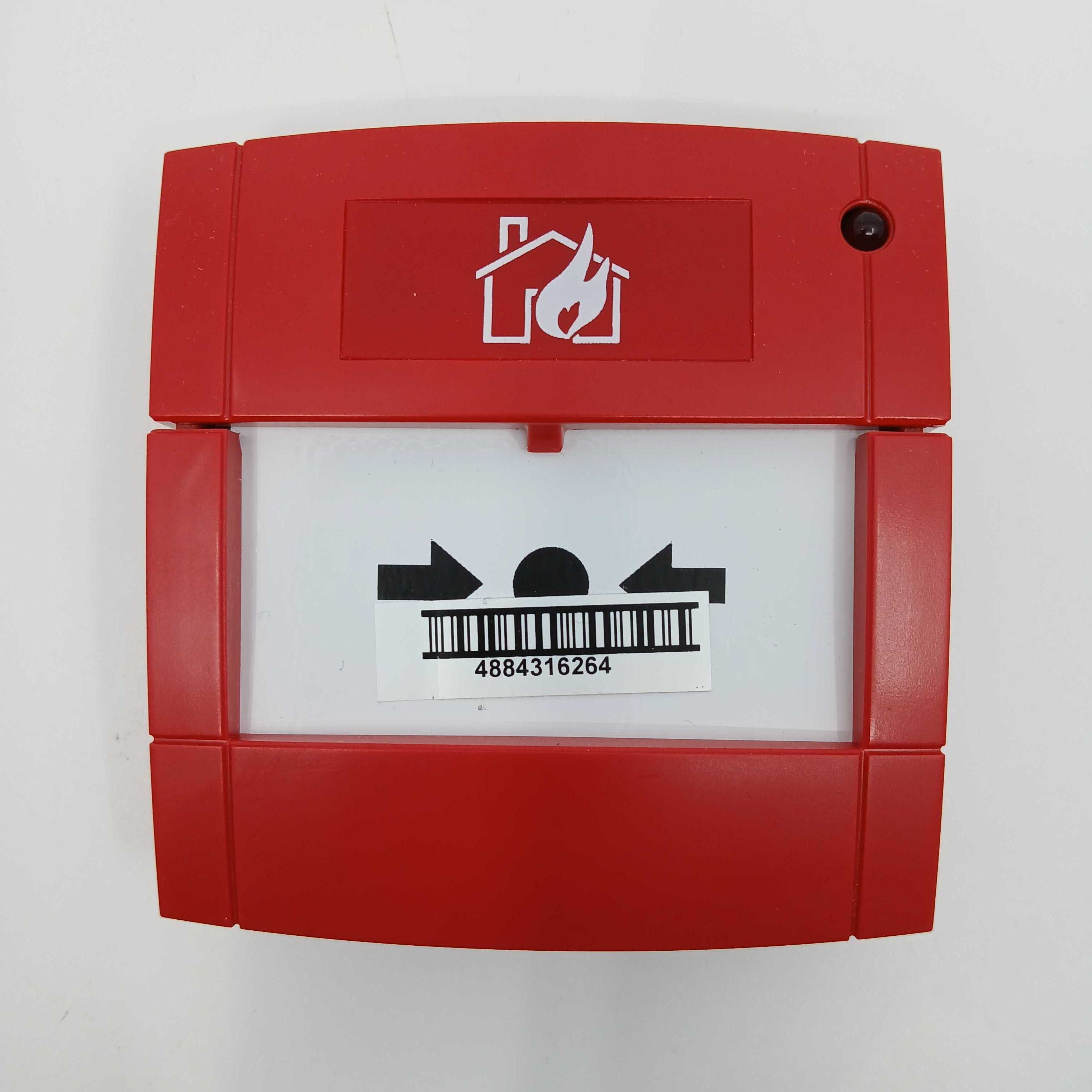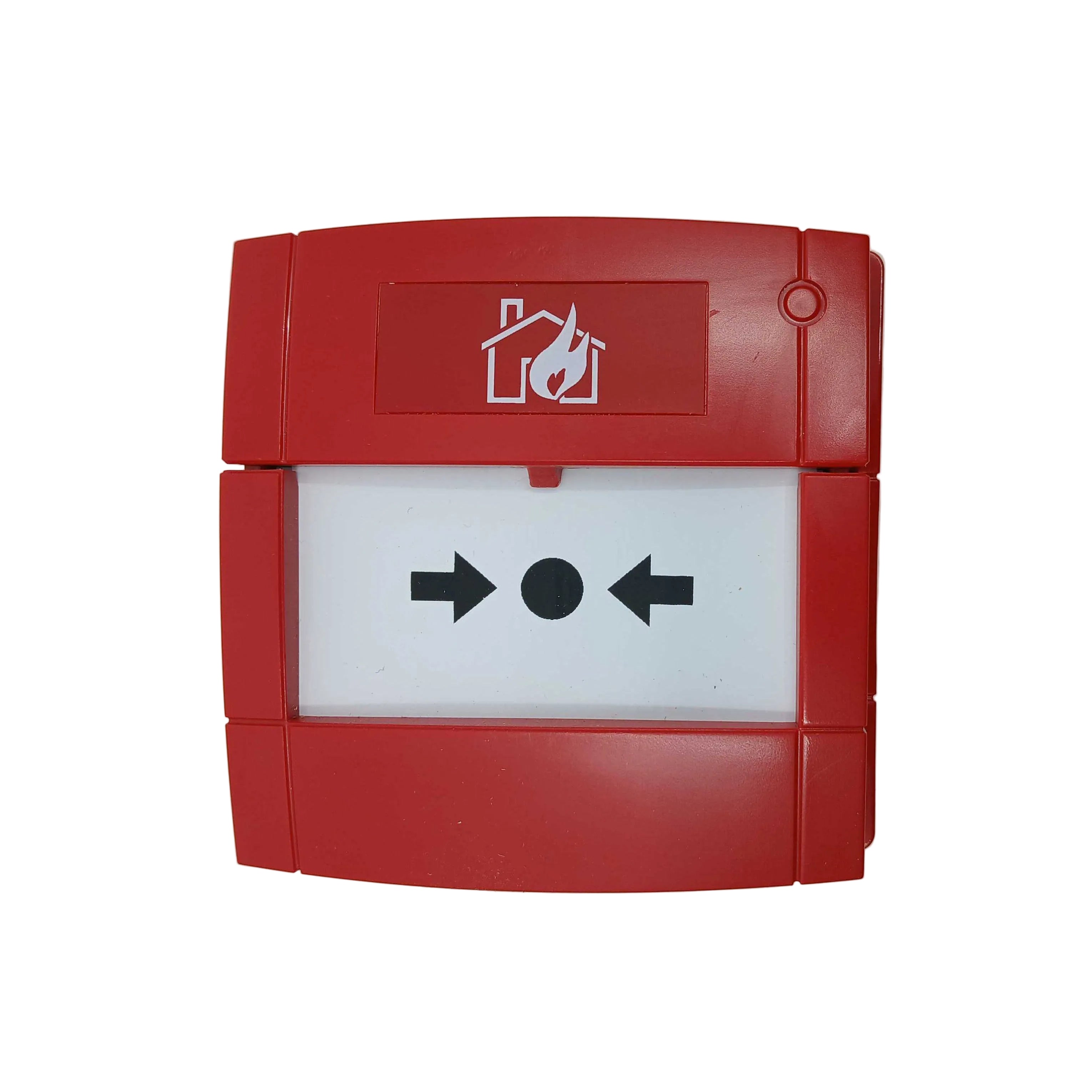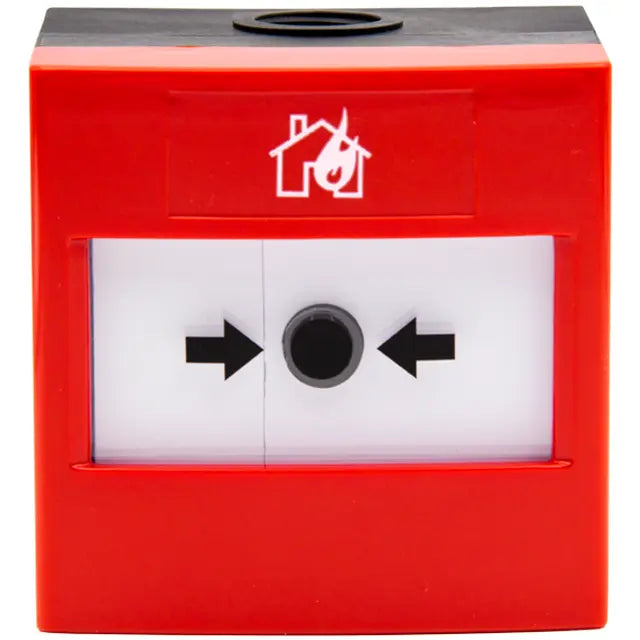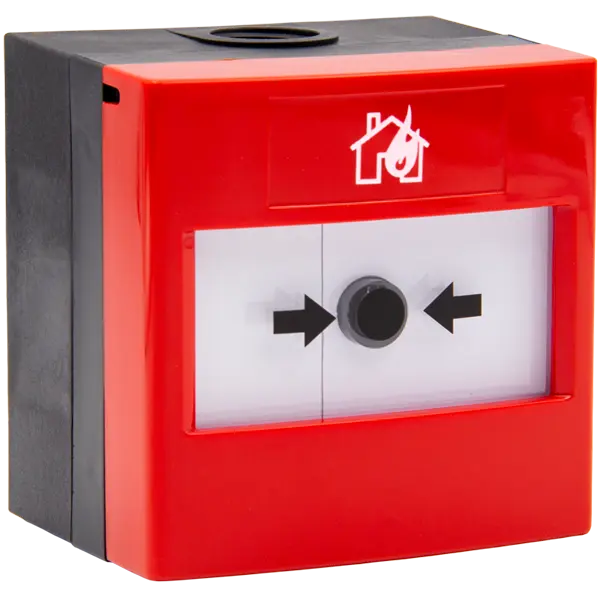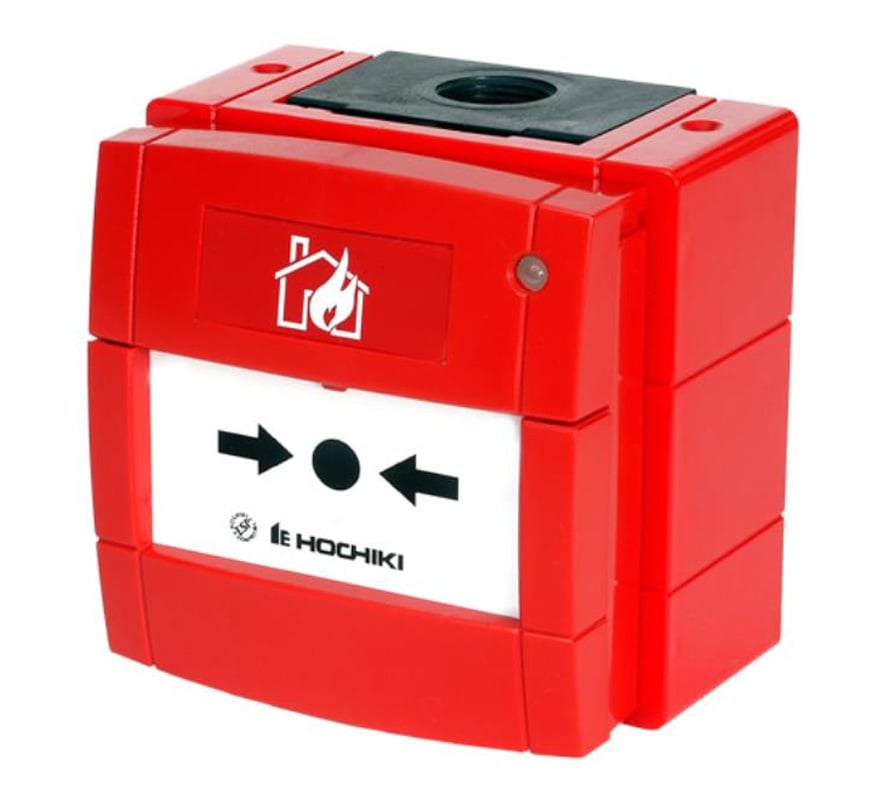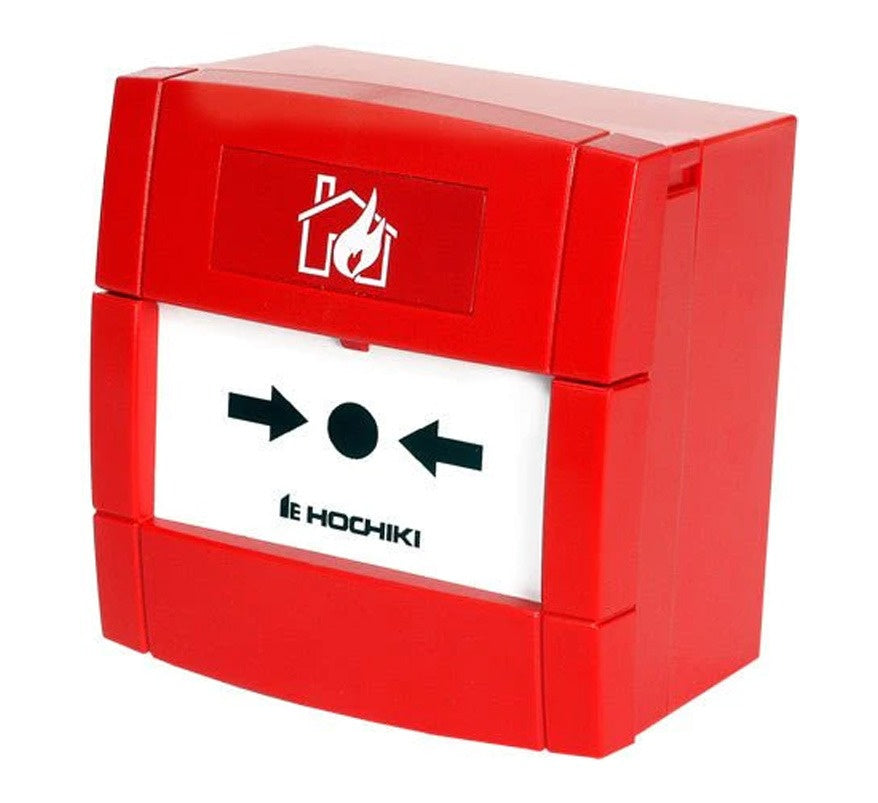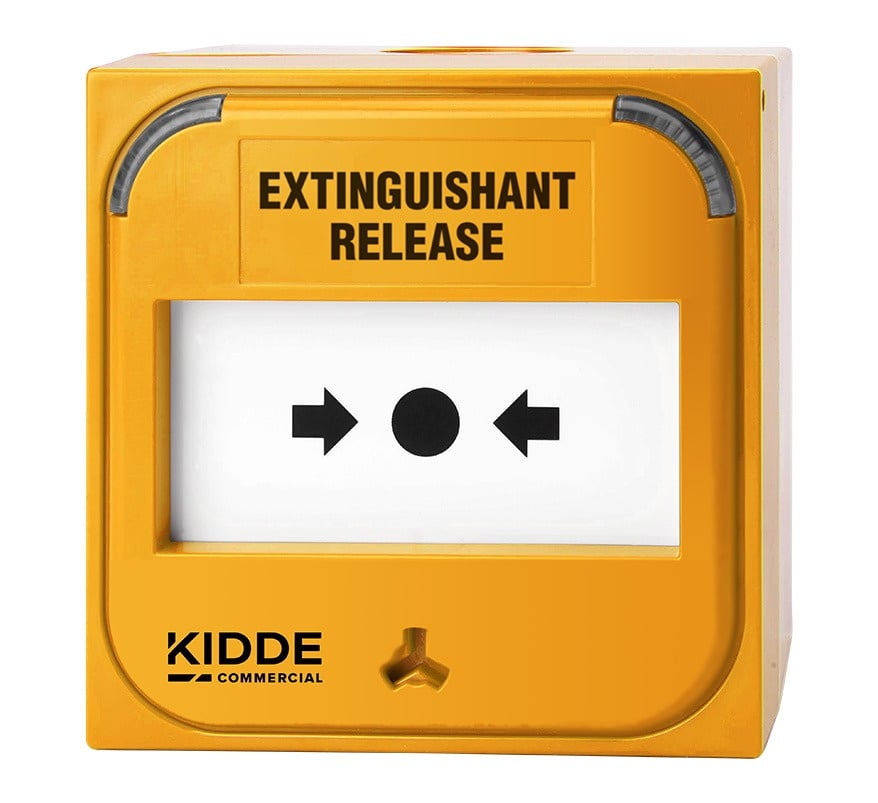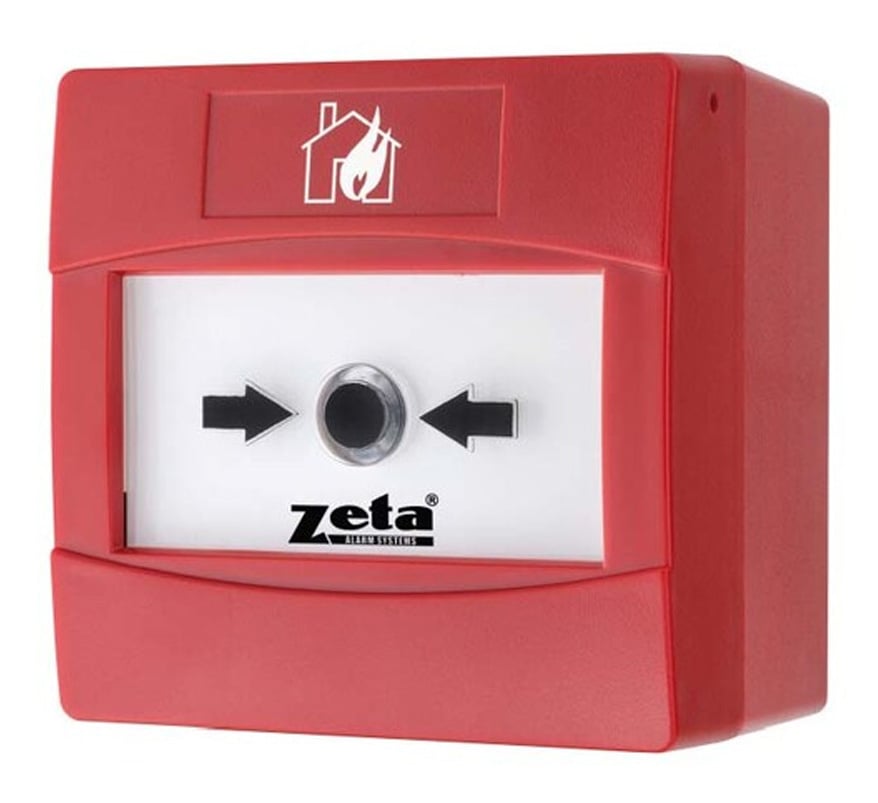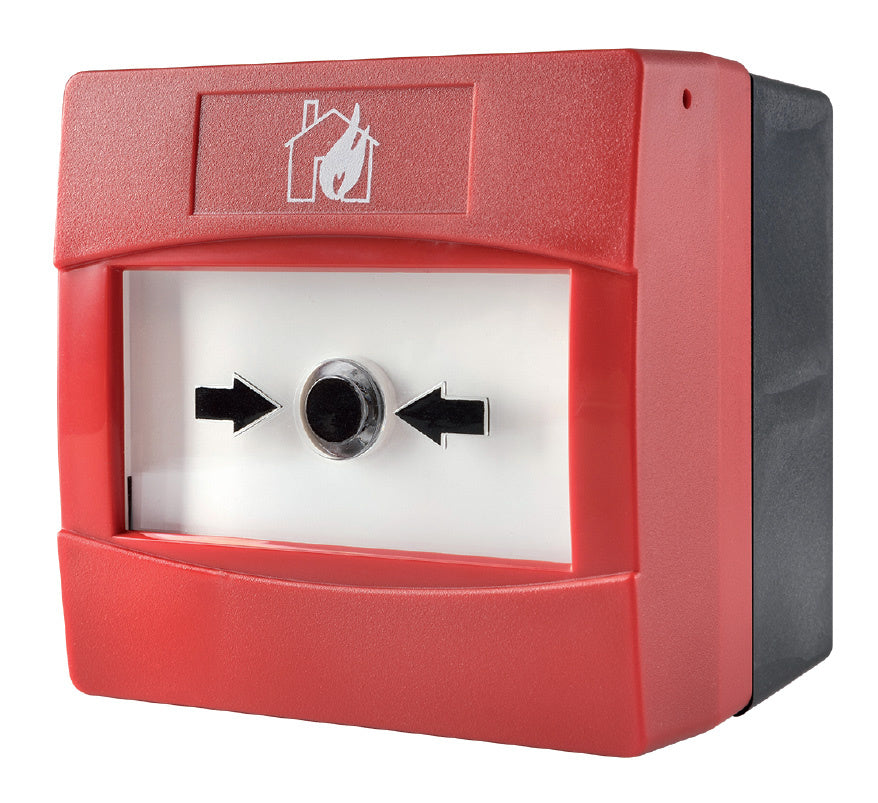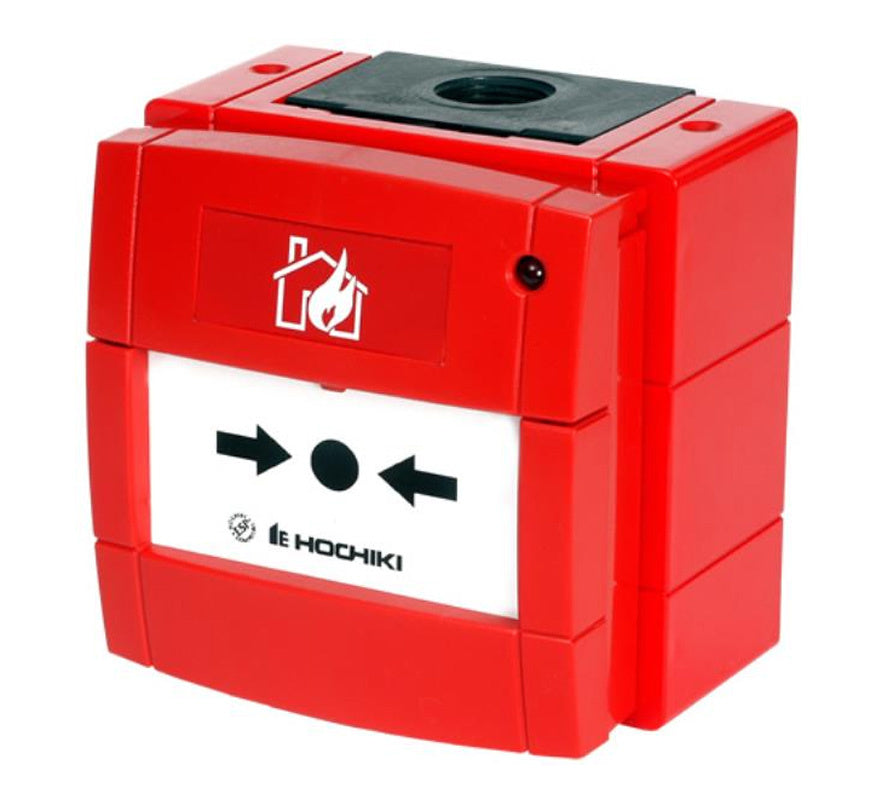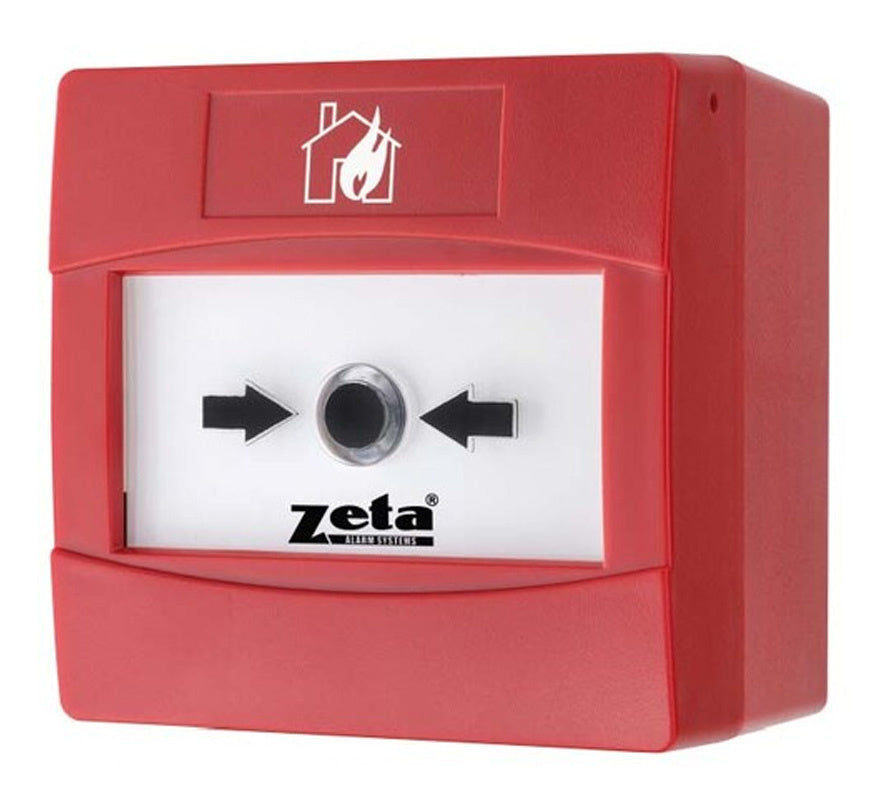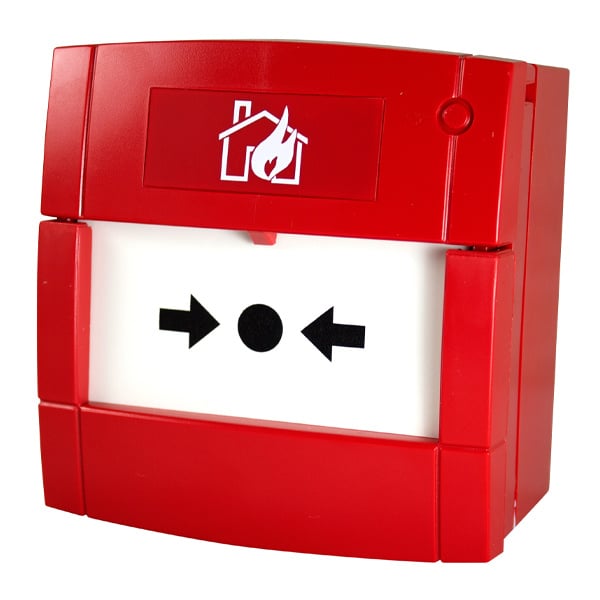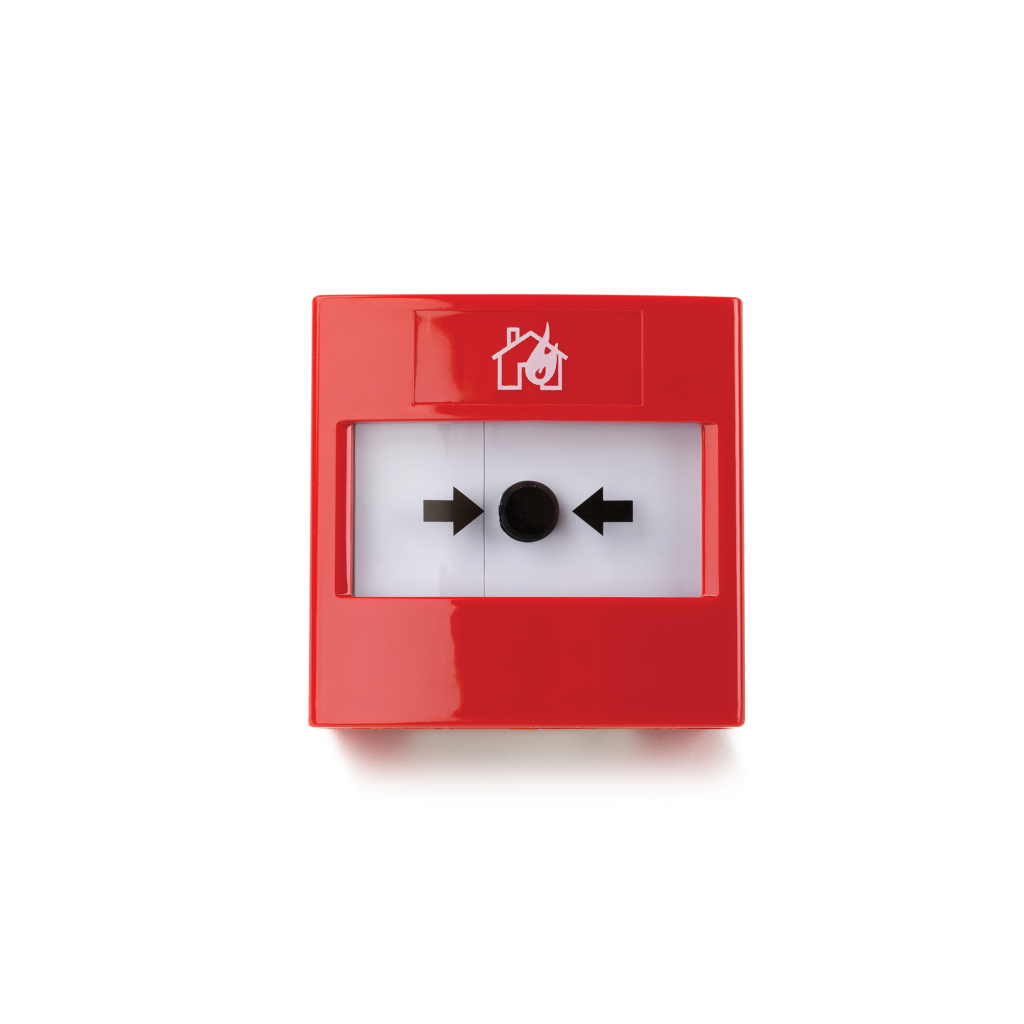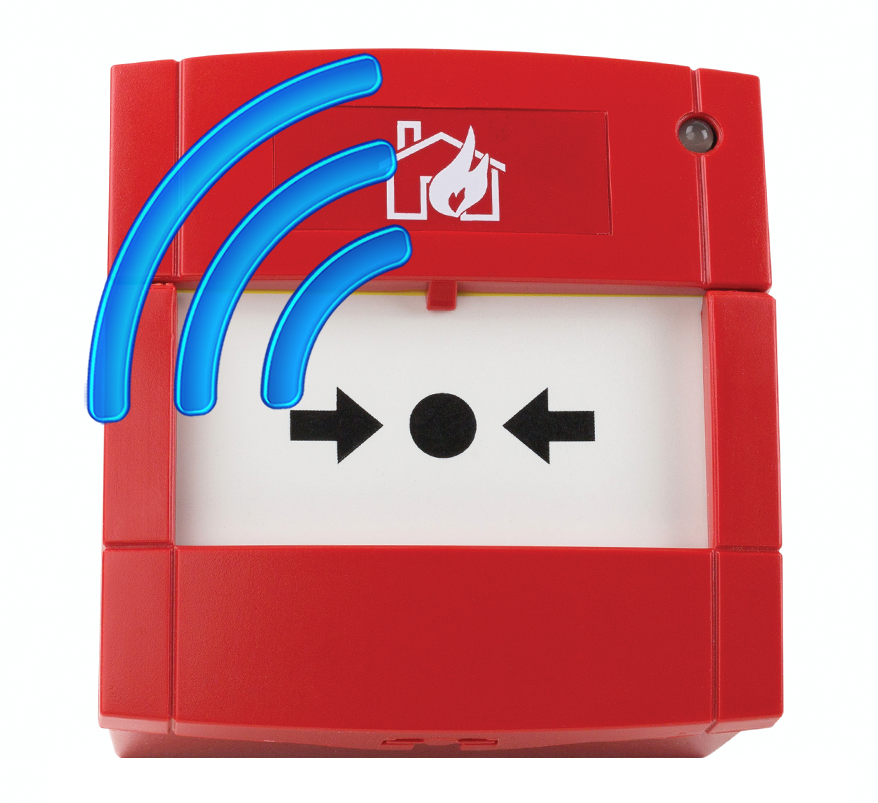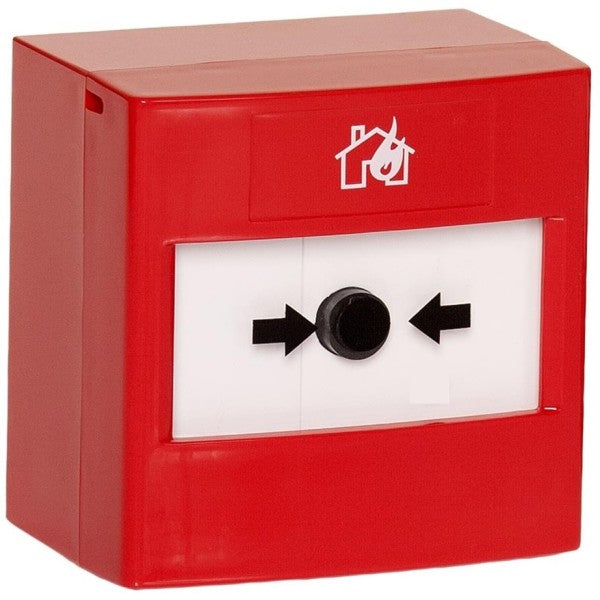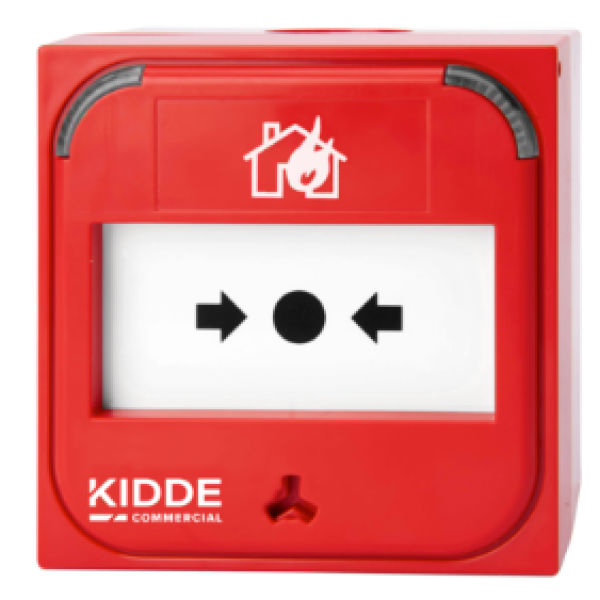
Manual call points let anyone raise the fire alarm by hand. We stock addressable, conventional, two-wire and wireless fire alarm call points in resettable and break glass styles for indoor, outdoor and hazardous areas, plus covers, keys and spares – all genuine, brand new and factory sealed.
Resettable vs break glass call points
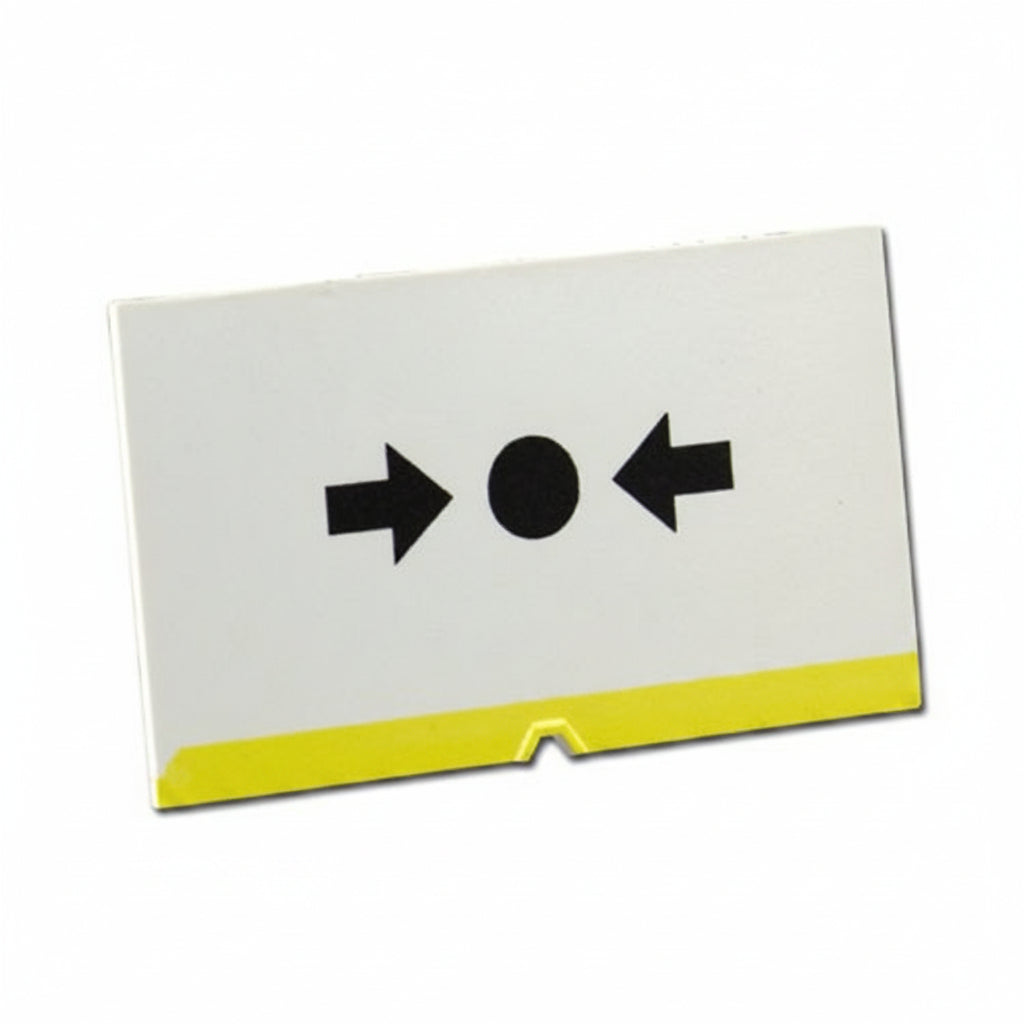
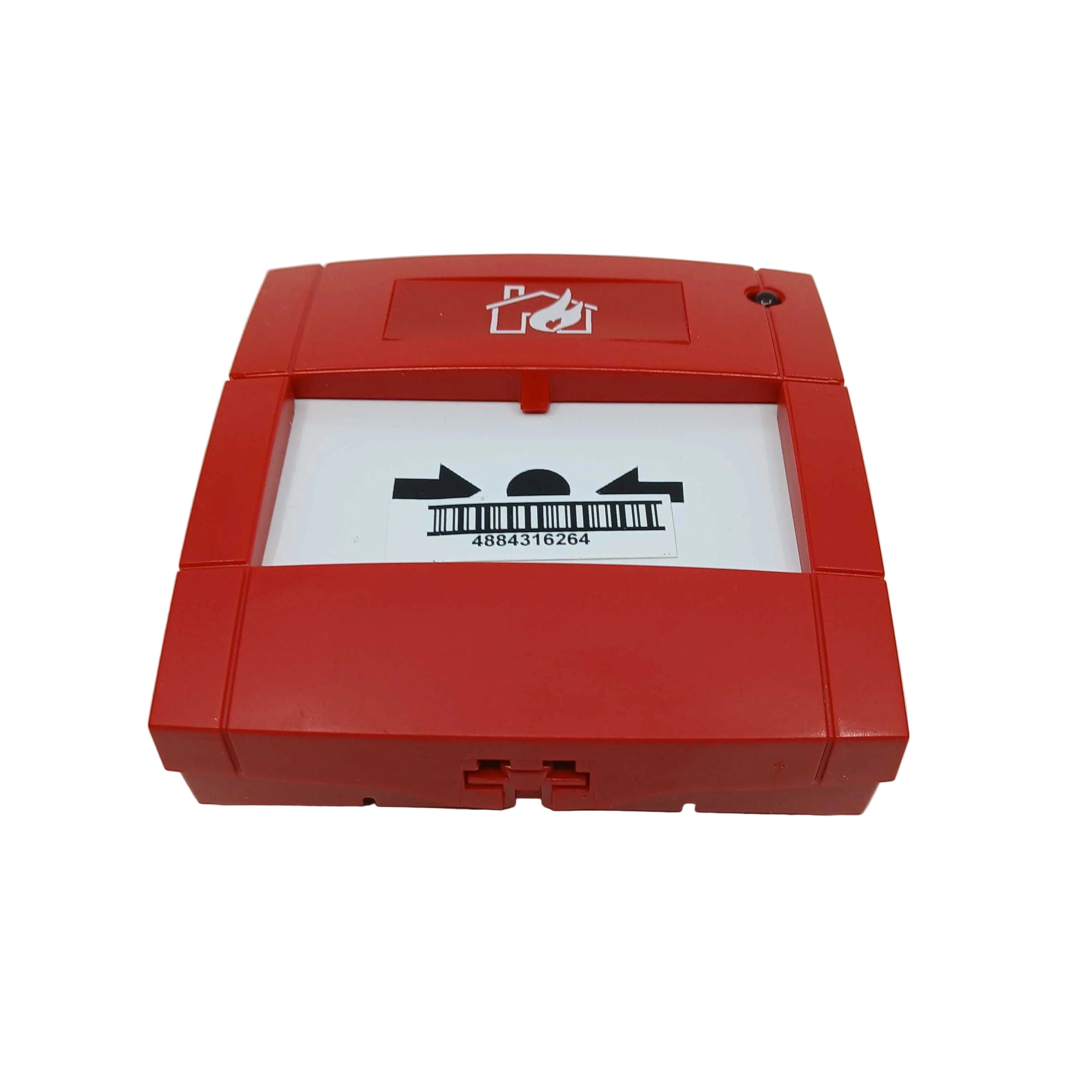
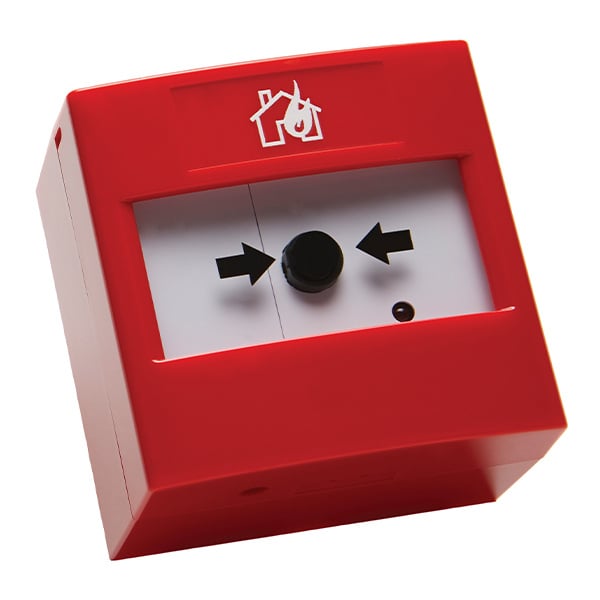
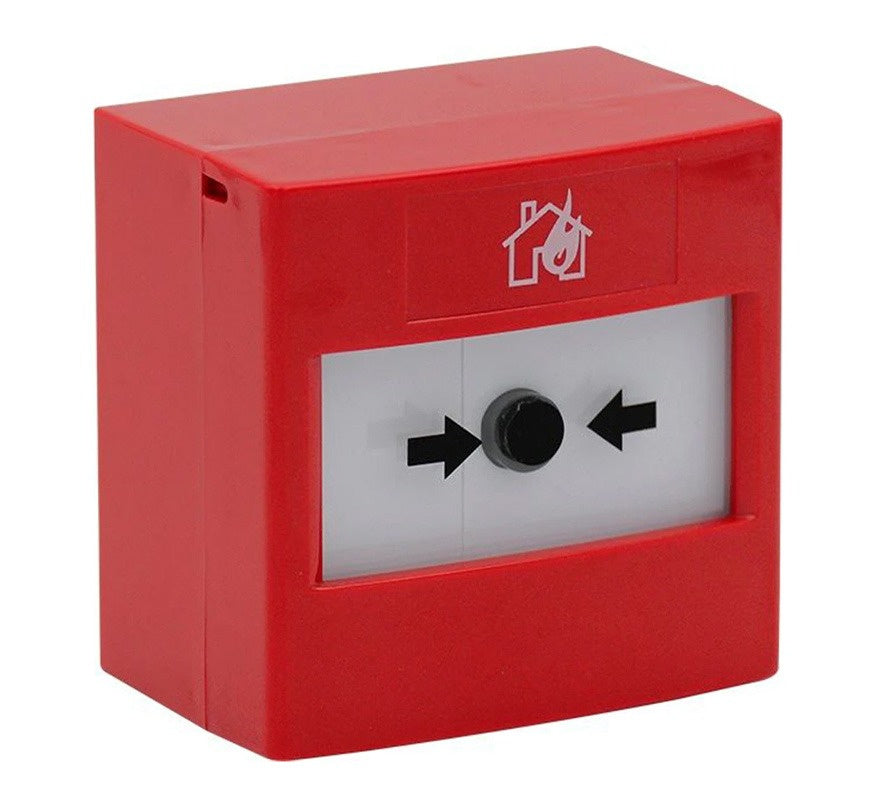
A break glass call point has a frangible glass element that breaks when pressed and must be replaced before the unit can be reset. A resettable call point has an element that is displaced rather than broken and is reset with the manufacturer's key, so no spare glass is needed. BS 5839-1 notes that kitchens and food areas may need a non-glass element to avoid contamination. Compare the C-TEC KAC BF370R glass and BF370MR resettable versions, plus spare BF371 glass.
Indoor, outdoor and IP-rated call points
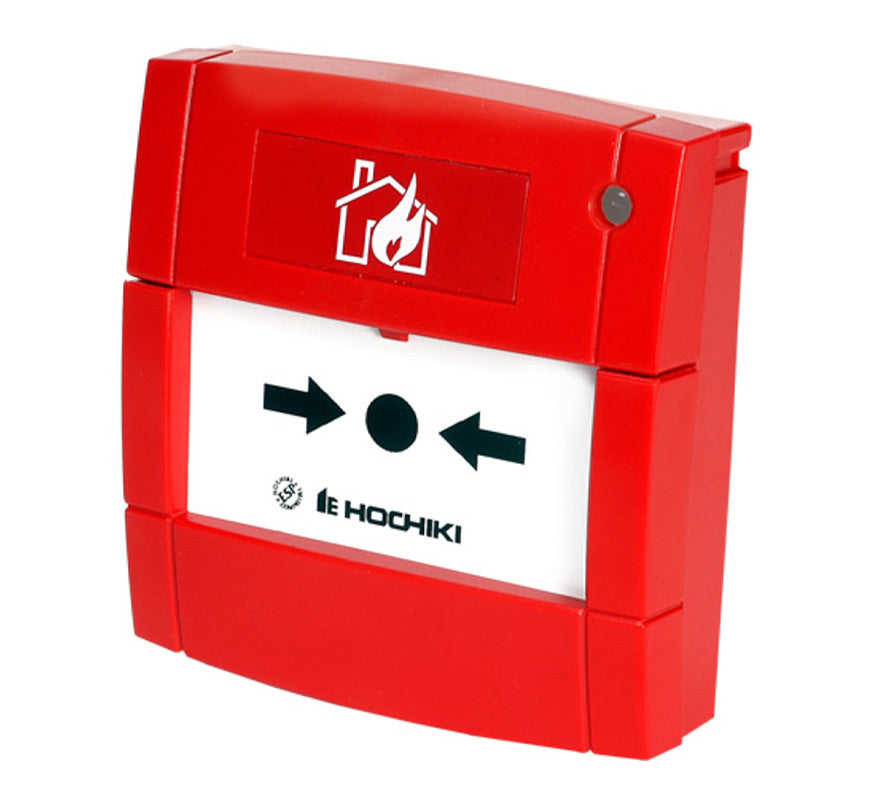
- Indoor – addressable models such as the Apollo SA5900-908APO and Hochiki HCP-E(SCI); conventional models such as the Apollo SC2900-001APO and Hochiki CCP-E; and the two-wire Apollo AlarmSense call point.
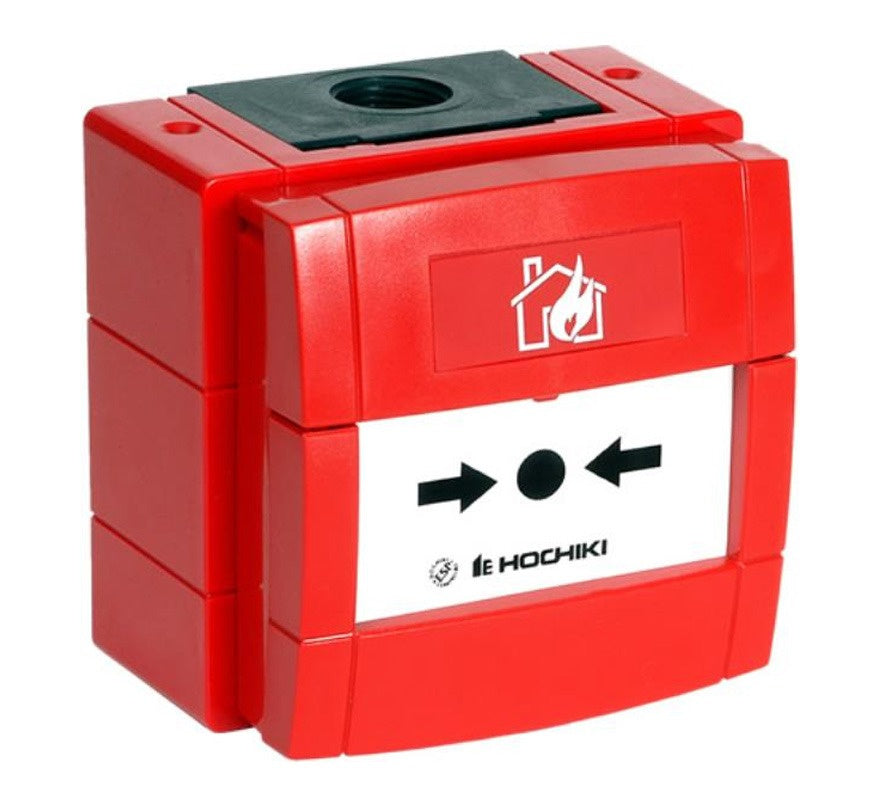
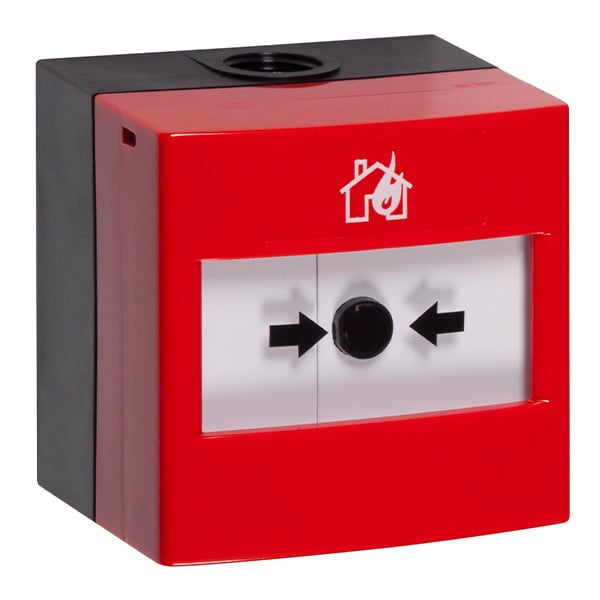
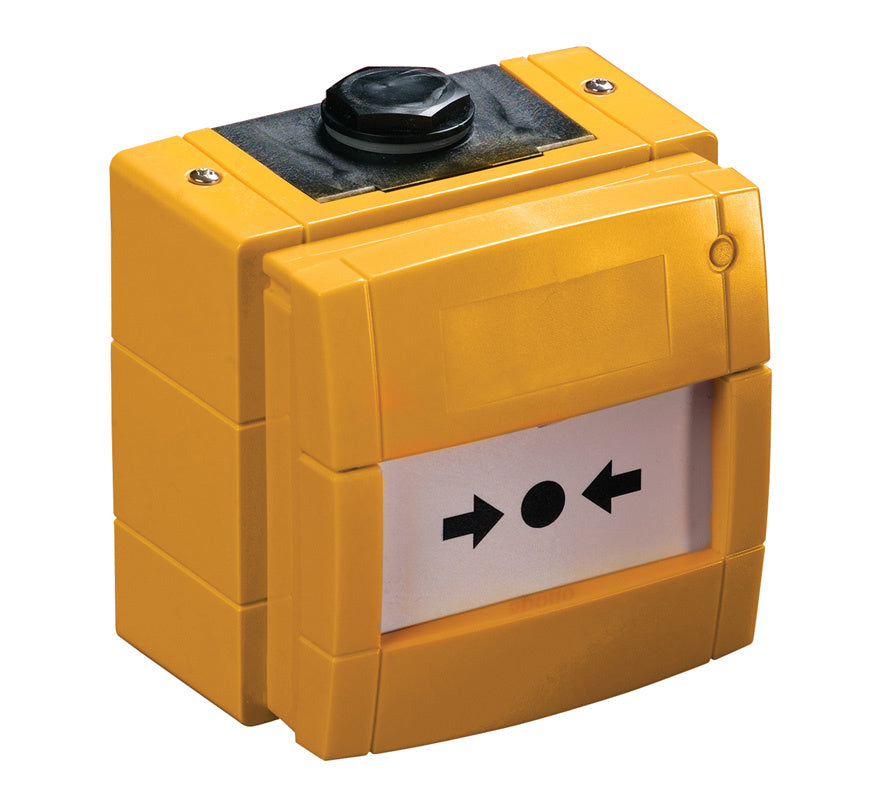
- Outdoor and weatherproof – IP-rated models for external walls and wet areas: Apollo Discovery Outdoor, Hochiki HCP-W(SCI), Hochiki CCP-W, STI WRP2, Kidde KE-DM3010R-IP, and IP67 models from Notifier and Nittan.
- Hazardous and marine – intrinsically safe versions such as the Apollo 55100-940APO, a flameproof Exd call point and marine-approved models. Areas with explosive atmospheres need suitably certified equipment.
- Wireless – EMS FireCell, Hochiki Ekho and Zerio Plus, including the IP65 EDA-C5040.
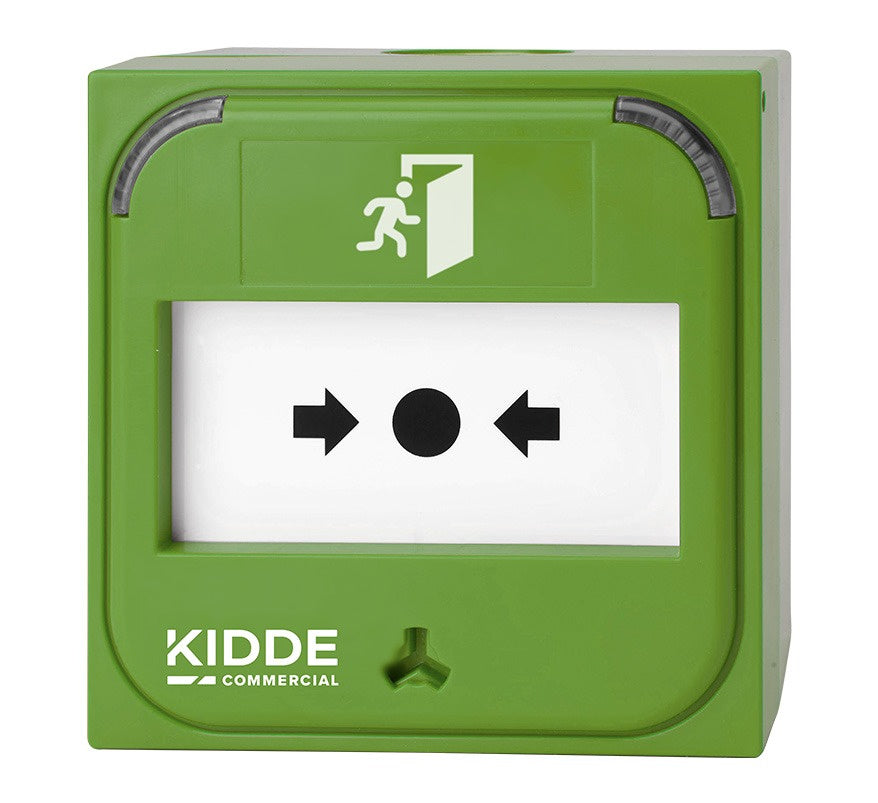
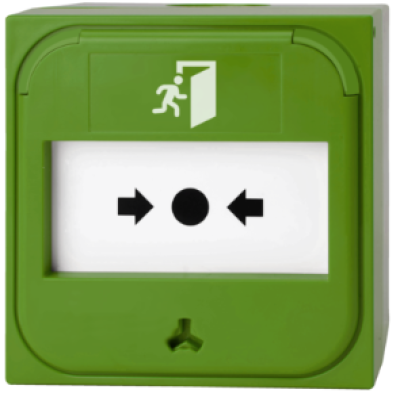
- Coloured call points – green, yellow, blue, white and orange for door release, extinguishant, smoke vent and other non-fire functions.
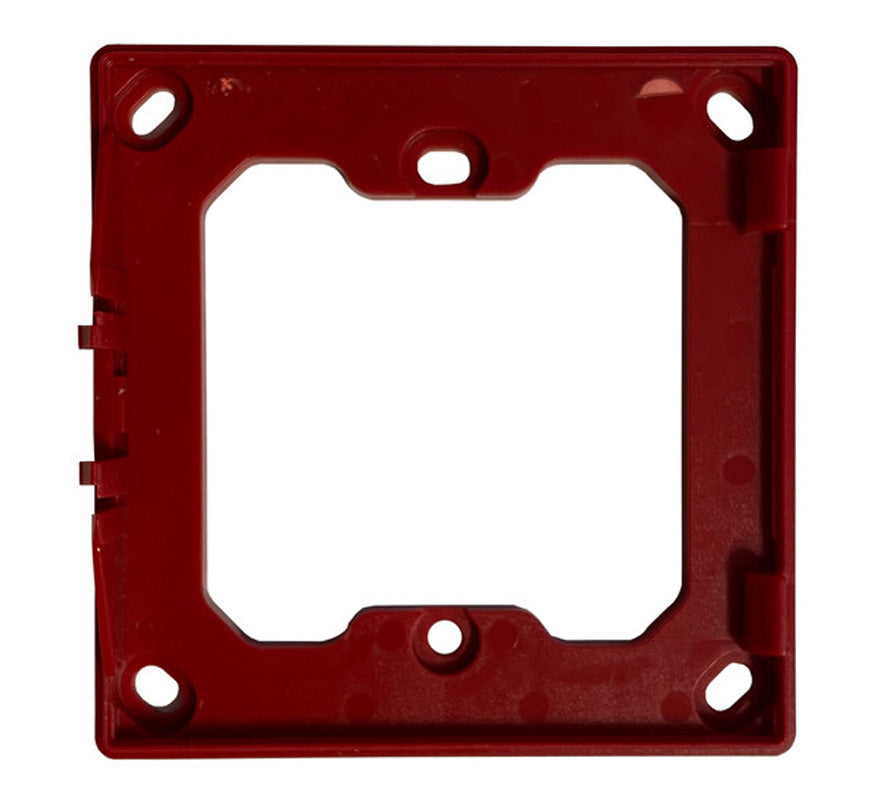
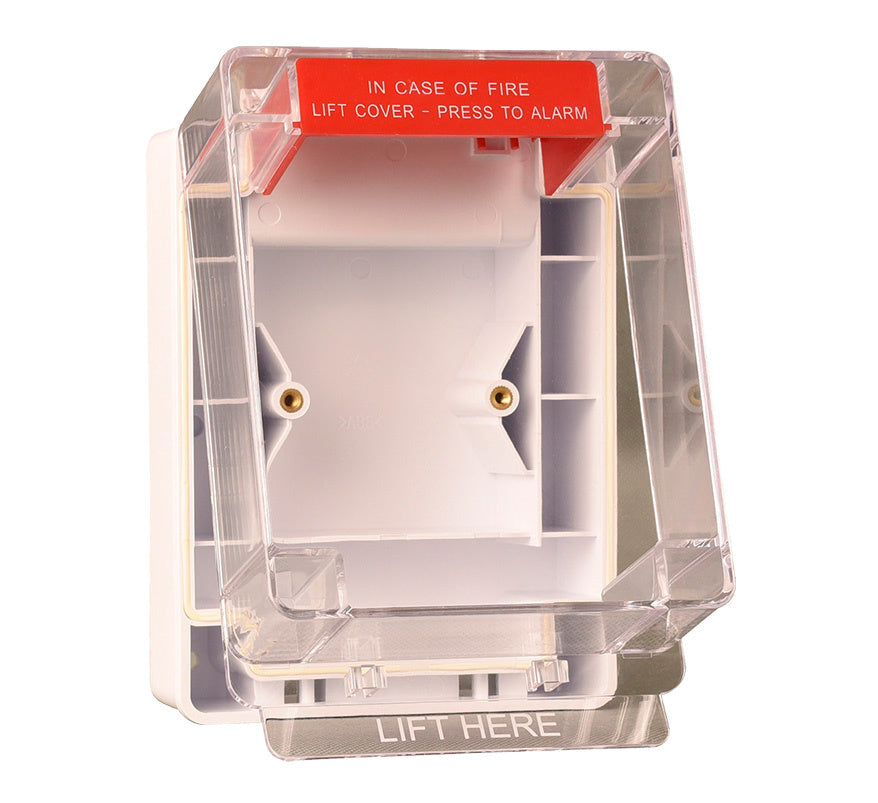
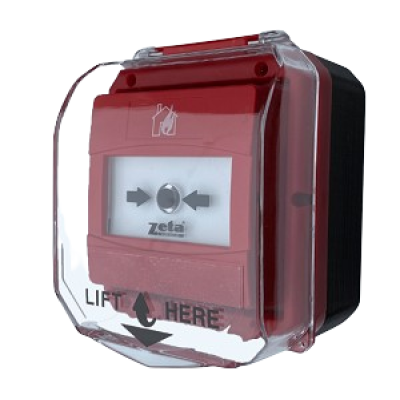
- Covers and keys – hinged covers, STI Call Point Stoppers, Apollo and Hochiki reset keys and back boxes.
How to choose a manual call point
- Match the system: addressable call points must use the panel's protocol (e.g. Apollo XP95/Discovery, Hochiki ESP, C-TEC CAST). Isolating (SCI) versions protect the loop from short circuits.
- Siting: BS 5839-1 recommends call points at storey exits and exits to open air, with no more than 45 m to travel to the nearest one (25 m in some higher-risk situations).
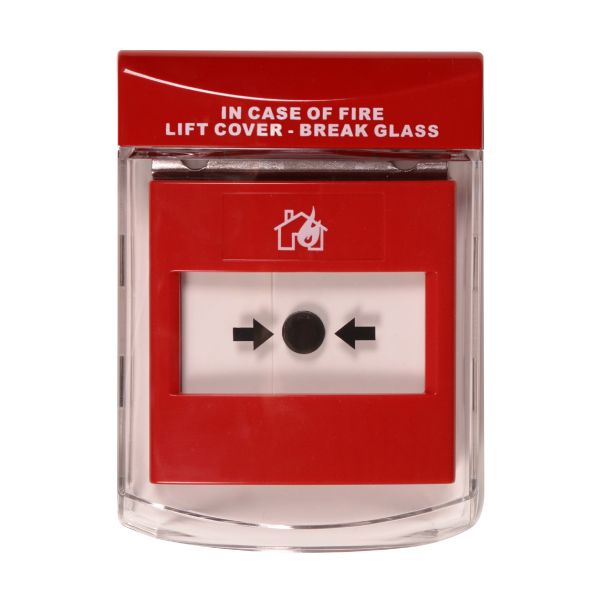
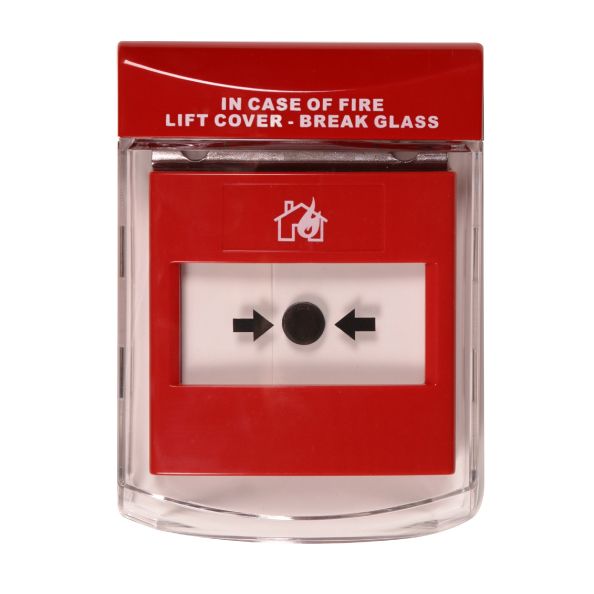
- Protection: BS 5839-1 recommends a protective hinged cover on all call points to reduce false alarms. Call points are covered by EN 54-11.
Shop call points by brand
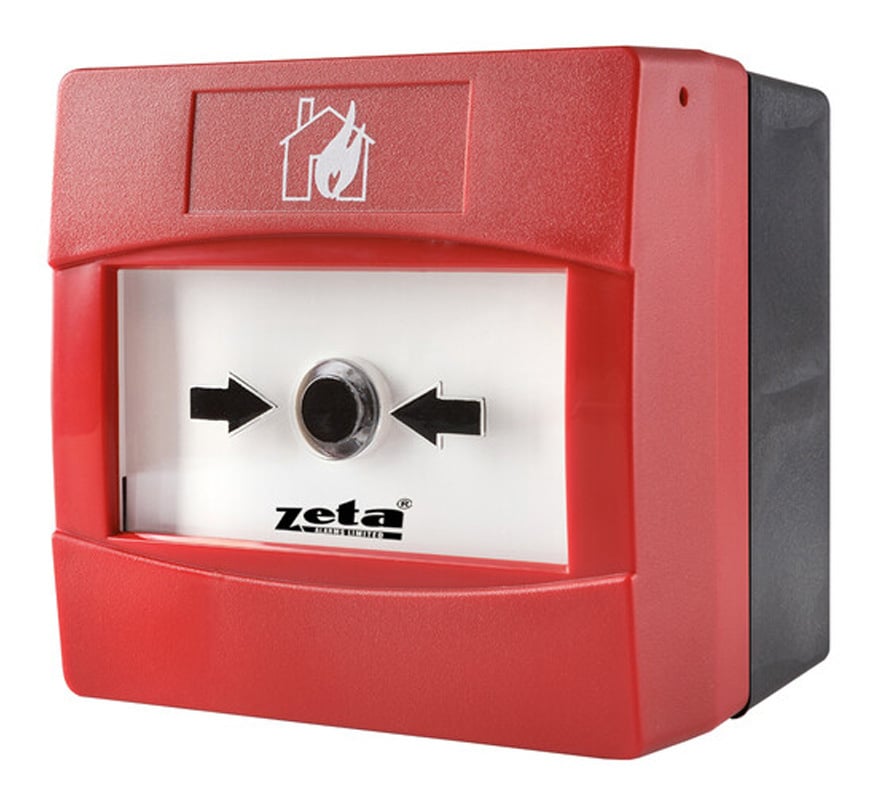
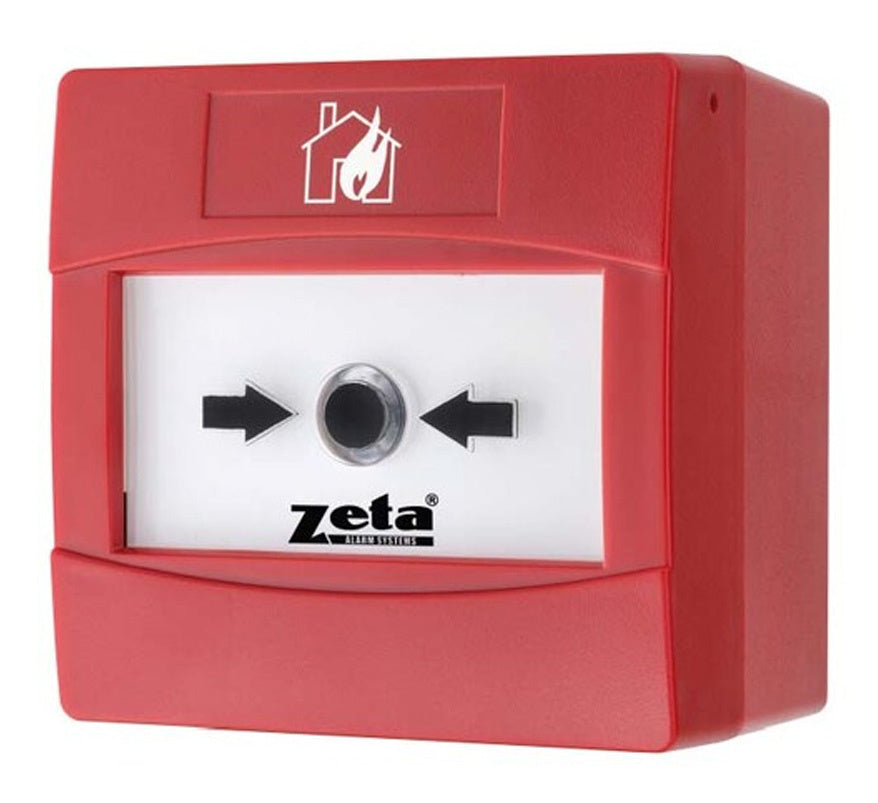
JEM Systems UK is an authorised distributor of Apollo, STI, Kidde and Notifier. Shop Apollo manual call points, Hochiki manual call points, C-TEC, STI, Kidde, Notifier, Fike, Zeta, Nittan and EMS, alongside compatible fire alarm panels and sounders and beacons.
Manual call point FAQs
What is the difference between addressable and conventional call points?
An addressable call point reports its own address to the panel, so the exact location is shown. A conventional call point switches its zone into alarm, so the panel shows only the zone.
How high should a fire alarm call point be?
BS 5839-1 recommends 1.4 m from finished floor level to the centre of the element. A lower height is acceptable where a wheelchair user is likely to raise the alarm first.
How do you test a fire alarm call point?
Insert the test key to operate it without breaking the element, check the panel shows the correct zone and the sounders operate, then reset. Test a different call point each week and record it in the log book.
How do you reset a manual call point?
Resettable call points are reset with the manufacturer's key; break glass units need new glass. Then reset the fire alarm panel.