
Thermal Imaging Cameras
Thermal cameras form an image from the heat that objects give off rather than from visible light. They can therefore detect people and vehicles in complete darkness, and in conditions such as light fog or glare where a standard camera struggles. They...
- Same day dispatch on Poole stock
- Genuine, brand new stock
- Trade prices with a trade account
- Expert help 0113 518 0540

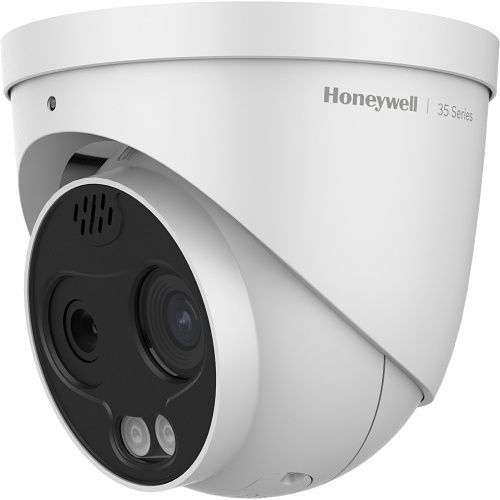
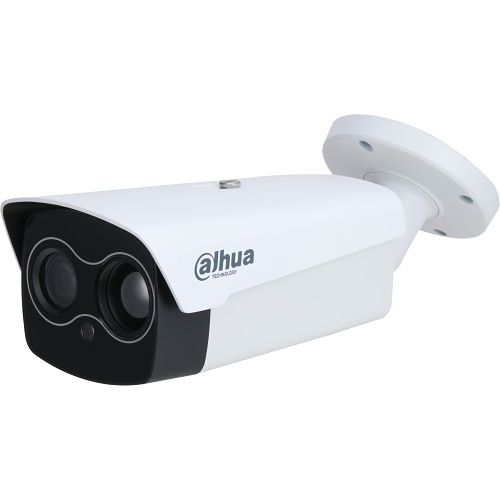
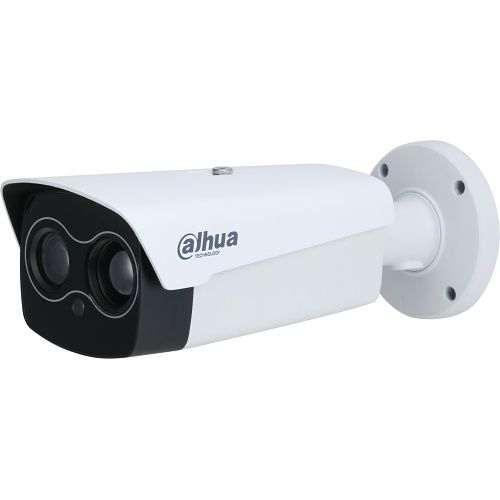
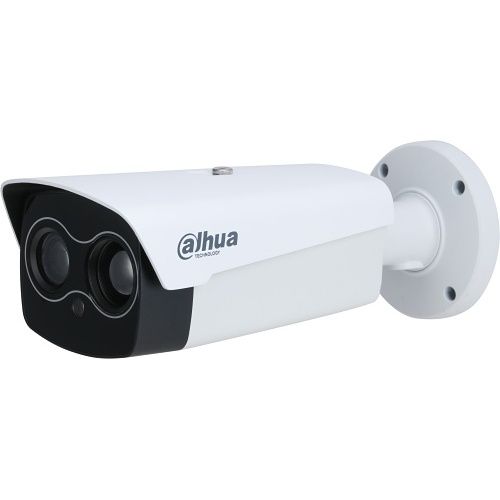








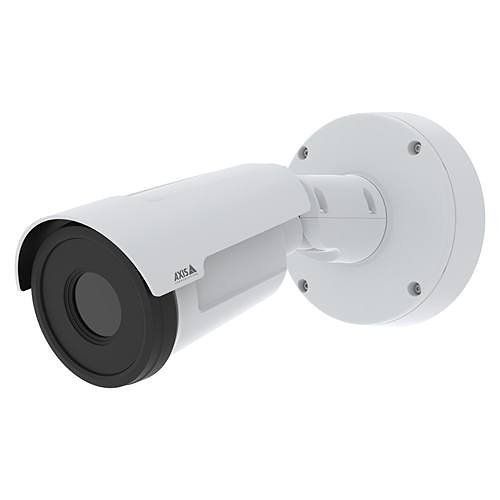
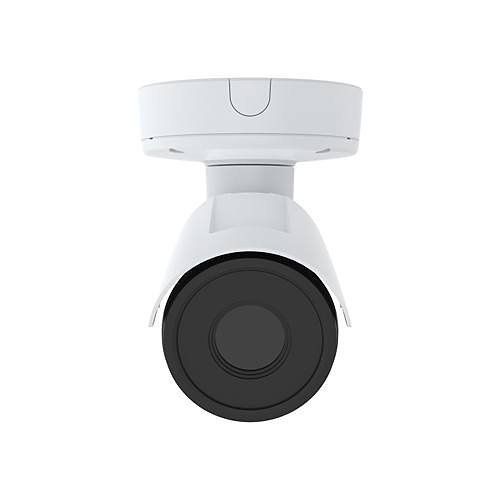
About Thermal Imaging Cameras
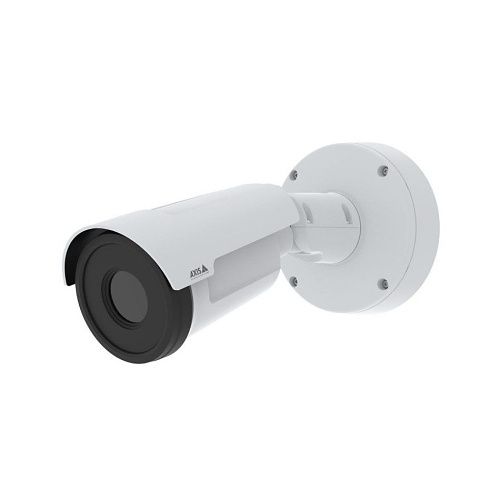
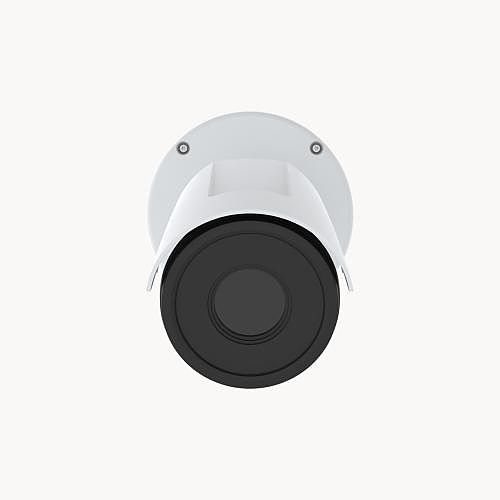
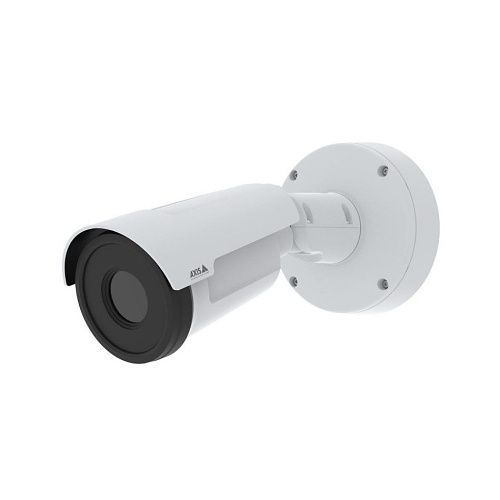
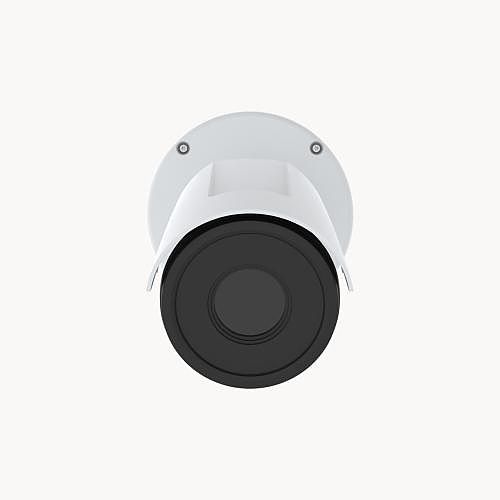
Thermal cameras form an image from the heat that objects give off rather than from visible light. They can therefore detect people and vehicles in complete darkness, and in conditions such as light fog or glare where a standard camera struggles. They are typically used for perimeter protection on large sites, utilities, yards and other areas where lighting is limited. This range includes thermal and bi-spectrum (thermal plus visible) IP cameras from brands including Axis, Dahua and Honeywell.
Choosing a thermal camera
- Lens: the focal length sets the field of view and detection distance. A longer lens, such as 19mm or 35mm, sees further but covers a narrower area than a 7mm lens.
- Frame rate: some models are offered at 30fps or at a lower 8.3fps rate. Check which version you are ordering, as export rules can differ.
- Bi-spectrum: these combine a thermal and a visible sensor in one housing, so you get detection plus a normal image for identification.
- Environment: outdoor models carry IP67 or similar ratings, and explosion-protected versions are available for hazardous areas.
- Resolution: thermal sensors have lower resolution than visible ones, so design with detection range rather than detail in mind.
Thermal cameras are IP devices, so pair them with a compatible NVR or DVR recorder or video management system. Compare with visible-light models in the full CCTV cameras range.