Fire Safety Guides
Practical guides on fire alarms, extinguishers, emergency lighting and UK fire safety rules, written for installers, contractors and building managers.
Fire Extinguishers
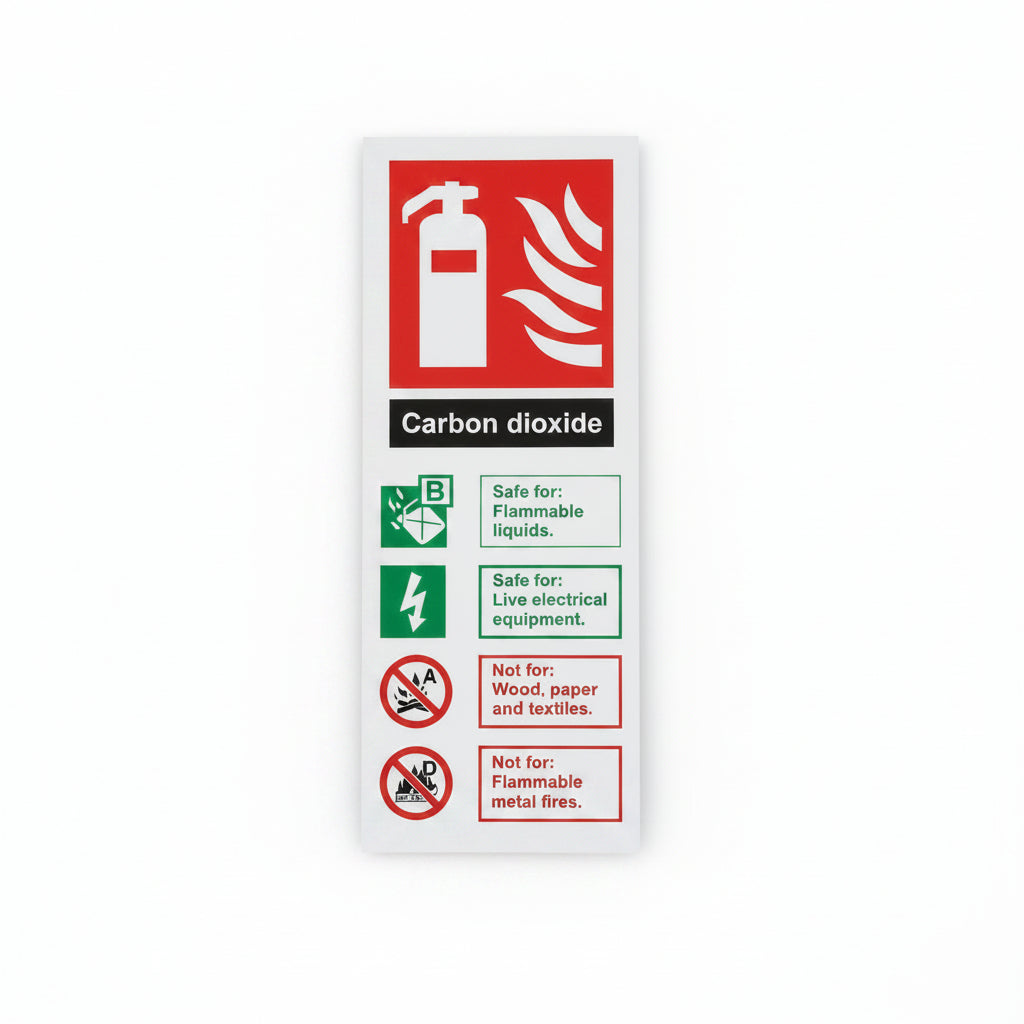
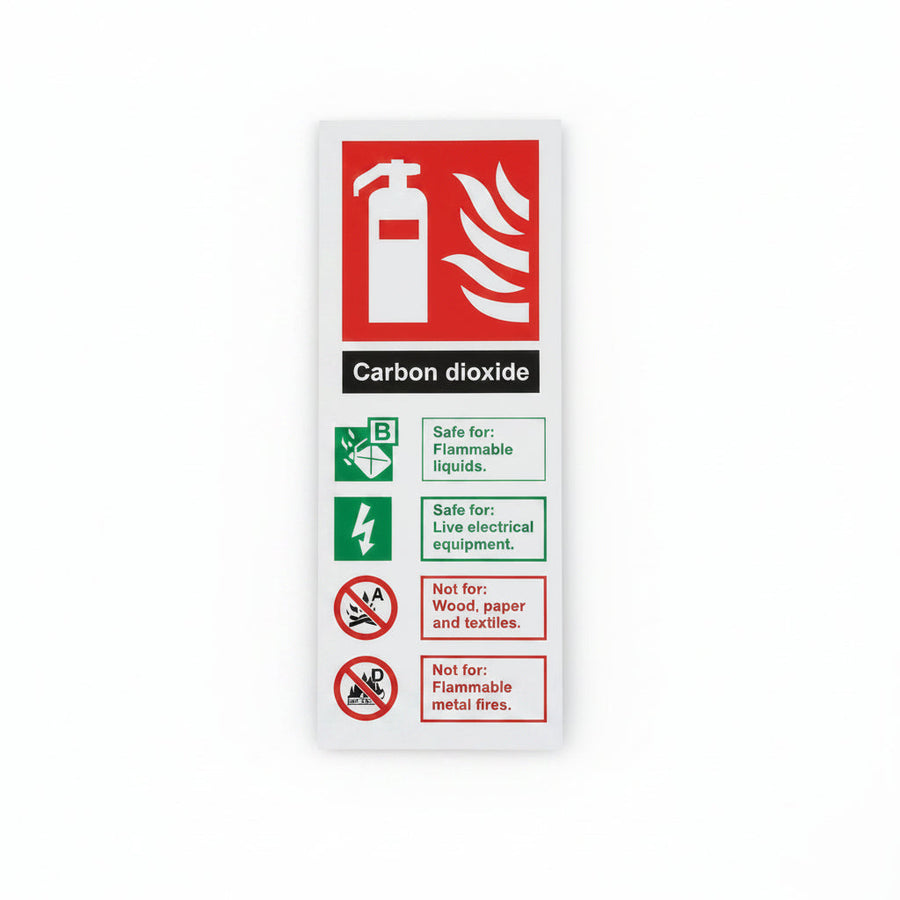
Fire Extinguisher Signs: Which Signs You Need & Where
Fire extinguisher signs show where equipment is and which extinguisher to use. Learn the difference between location and ID signs, what the regulations say, where to fix them and when to use photoluminescent signs.
BS EN 1869
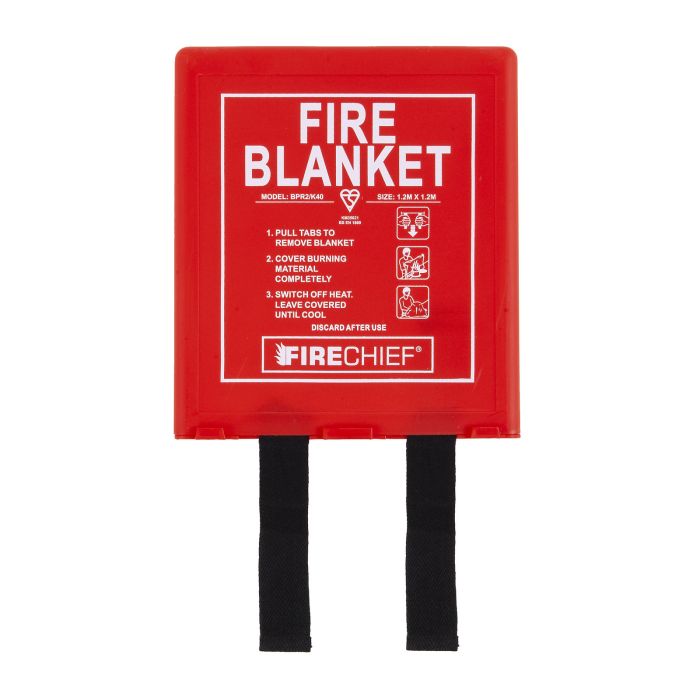
Fire Blankets: Sizes, BS EN 1869 & How to Use One
Fire blankets smother small pan fires and clothing fires. Choose the right BS EN 1869 size, soft or rigid case, mount it in the right place and learn how to use one safely.

BS 5839-1
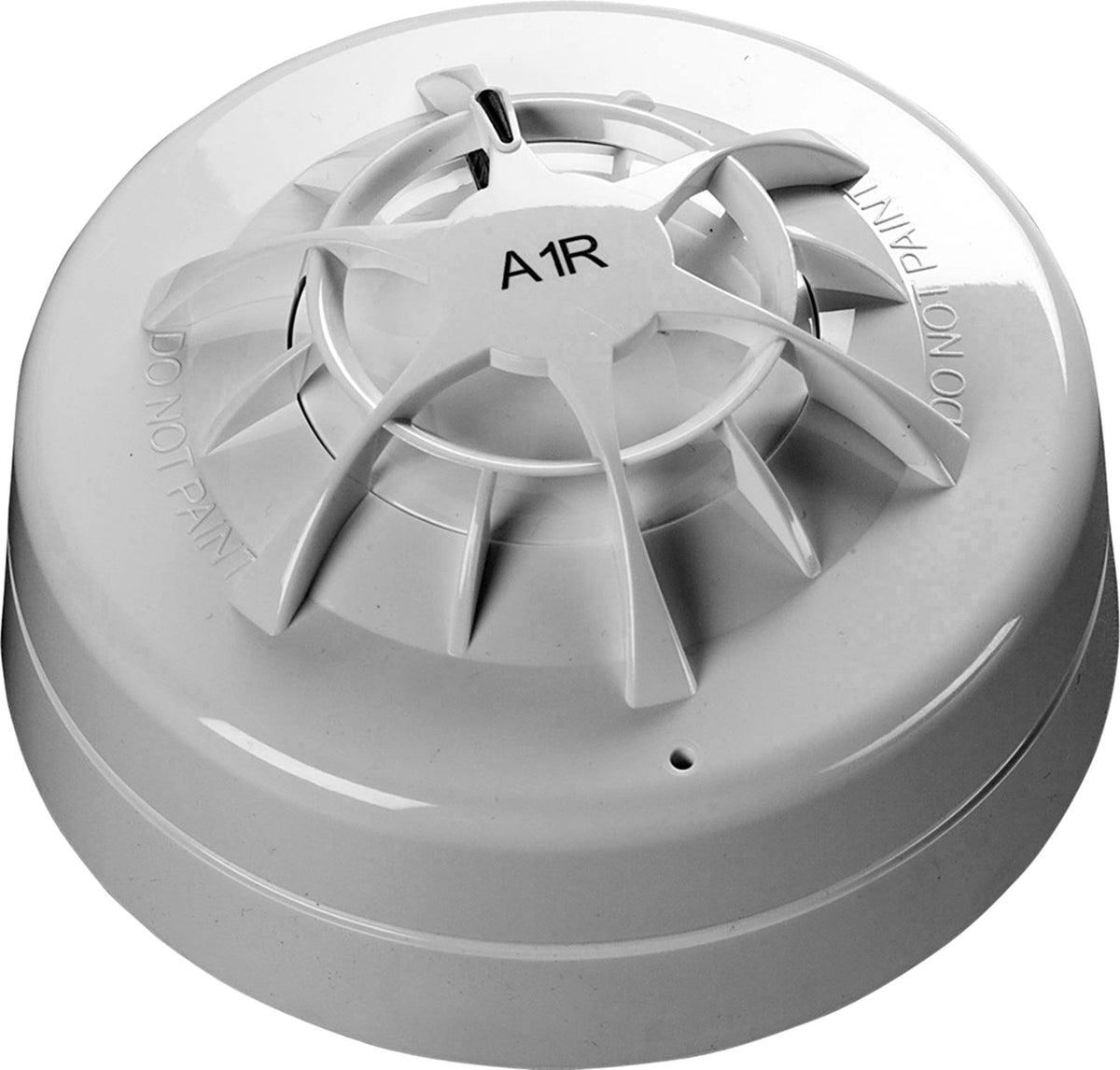
Heat Detectors Explained: EN 54-5 Classes, Rate-of-Rise & Siting
Heat detectors alarm on a set temperature or a fast rise in temperature. This guide explains EN 54-5 classes such as A1R and CS, heat vs smoke detection, and BS 5839-1 spacing and ceiling heights.
Fire Alarms
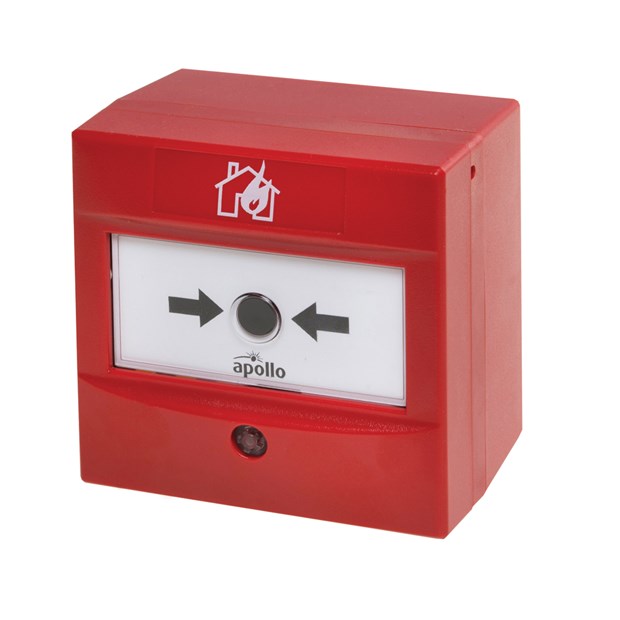
Manual Call Points Explained: Types, Siting & Colours (BS 5839-1)
Manual call points let anyone raise the fire alarm. Learn the difference between Type A and Type B, resettable and glass elements, BS 5839-1 siting and height, call point colours, covers and weekly testing.
Carbon Monoxide
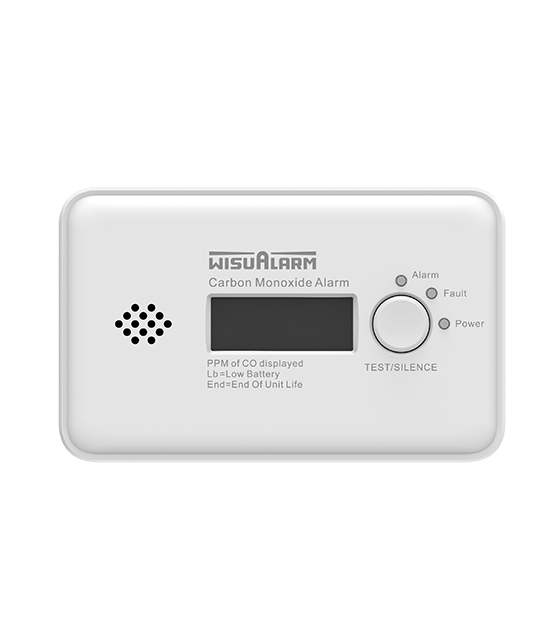
Where to Put a Carbon Monoxide Detector: Placement & UK Rules
Where to put a carbon monoxide detector: 1 to 3 m from the appliance, on the ceiling or high on a wall. This guide covers placement, places to avoid, UK rules for homes and rented property, and choosing and testing...
Fire Alarms
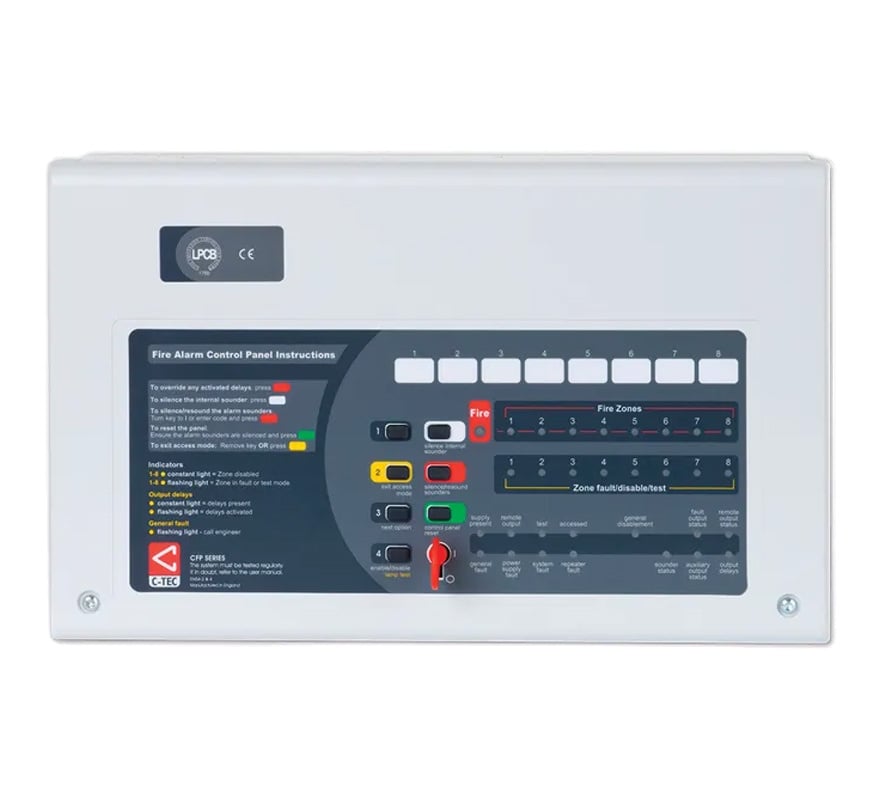
Addressable vs Conventional Fire Alarm Systems: Which Do You Need?
Conventional fire alarms show the zone in alarm; addressable systems show the exact device. Compare wiring, two-wire systems, protocols, costs and typical buildings to choose the right fire alarm panel.
Domestic Fire Safety
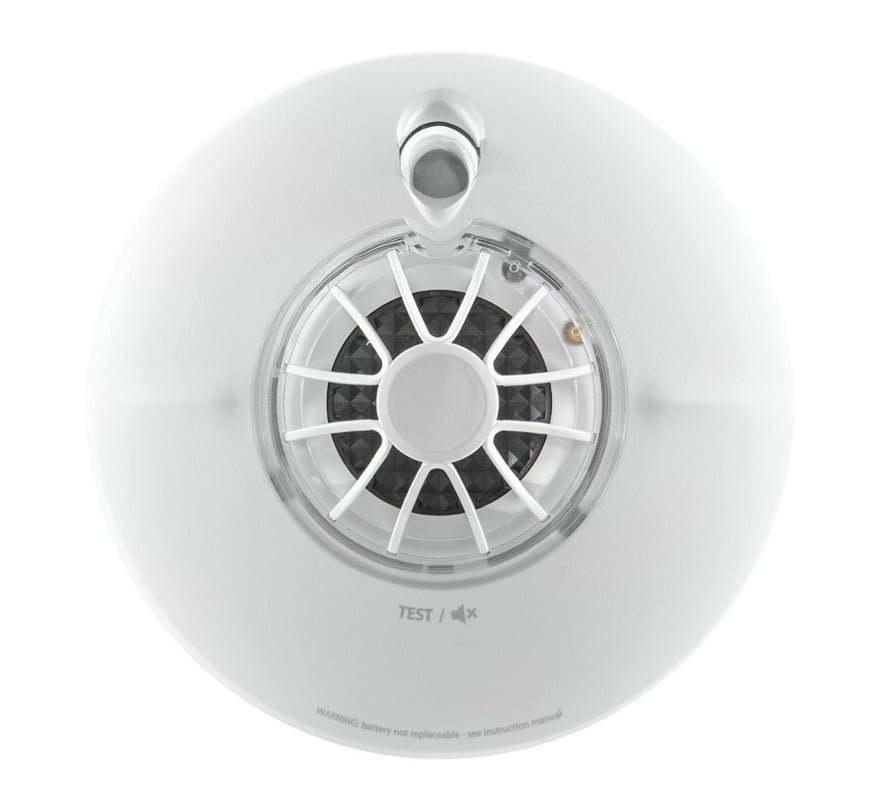
Heat Alarm Guide: Where and Why to Fit One
Heat alarms sound when the temperature rises rather than when they sense smoke, so they suit kitchens and garages where smoke alarms cause false alarms. This guide covers heat vs smoke alarms, where to fit them, interlinking, and mains vs...

AOV
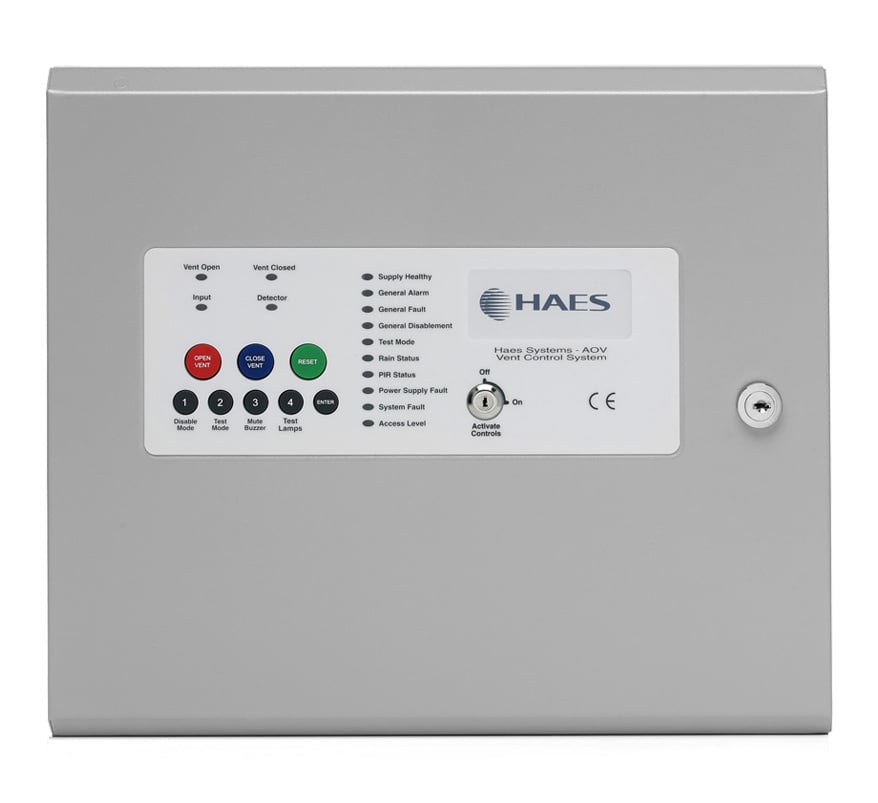
What Is an AOV System? Automatic Opening Vents Explained
An AOV (automatic opening vent) system opens vents automatically when smoke is detected, helping to keep stairwells, lobbies and corridors clearer so people can escape. Here is how AOV systems work, what they are made of and when they are...
Fire Extinguishers
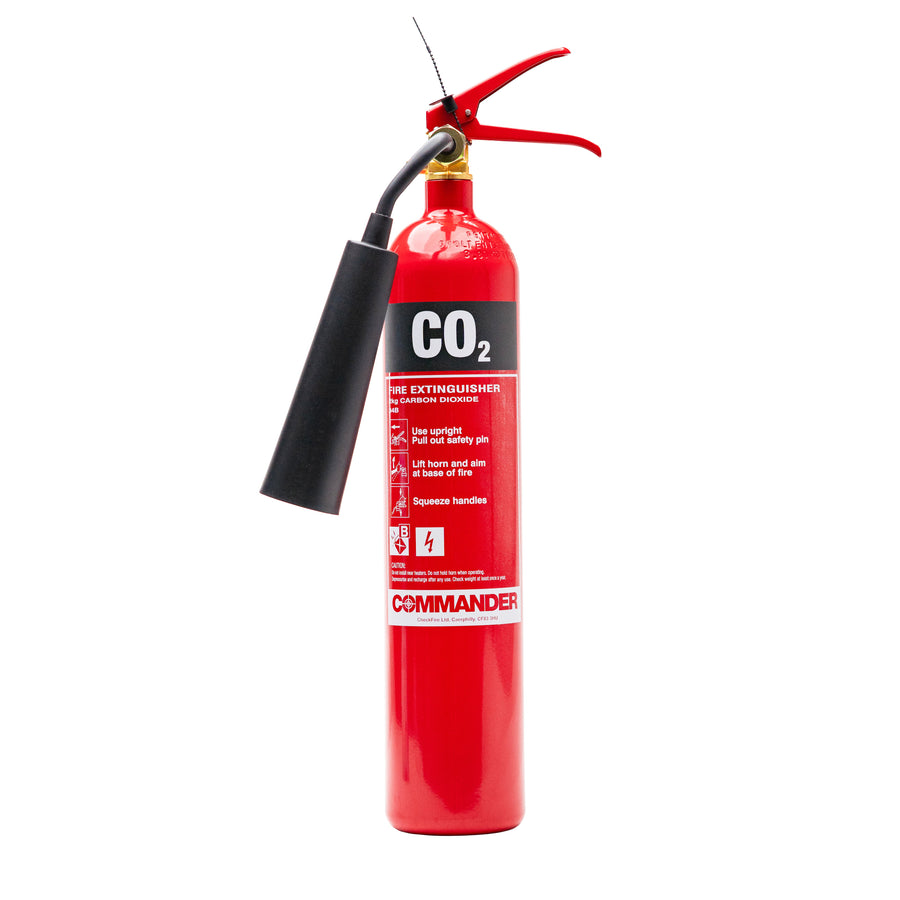
Electrical Fire Extinguisher: Which Type for Electrical Fires?
CO2 is the first choice for fires involving live electrical equipment. Dry powder works but has drawbacks indoors, and water mist or foam should be used only where the label confirms a dielectric test and voltage rating. This guide explains...

Smoke Detectors
How to Test Smoke Detectors (Commercial Systems & Home Alarms)
Test home smoke alarms monthly with the test button. Commercial systems need a weekly call point test and a competent person to functionally test detectors with approved smoke and heat testers under BS 5839-1. This guide explains each step.
Fire Extinguishers
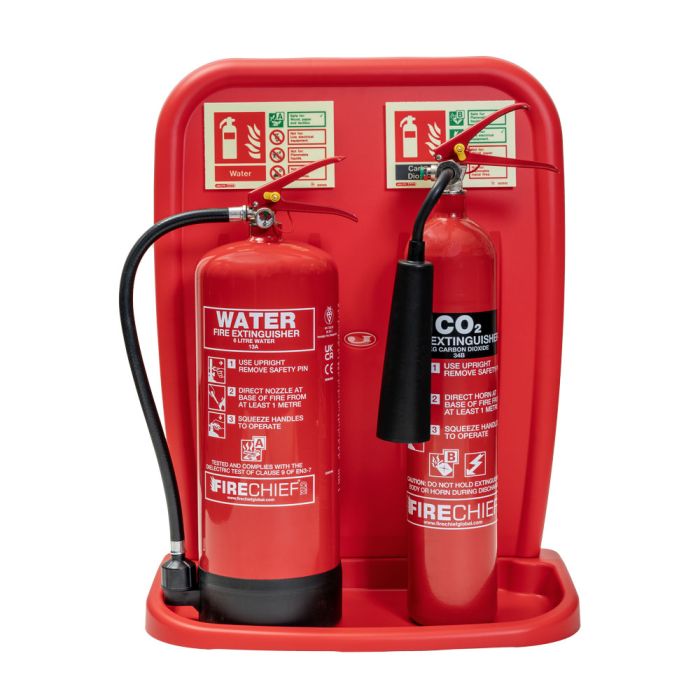
Fire Extinguisher Colours & Types: UK Chart and Guide
UK fire extinguishers have red bodies with a colour band for the agent: red water, cream foam, blue dry powder, black CO2 and canary yellow wet chemical. Colour chart, what each type is used on and not used on, plus...
Fire Alarms
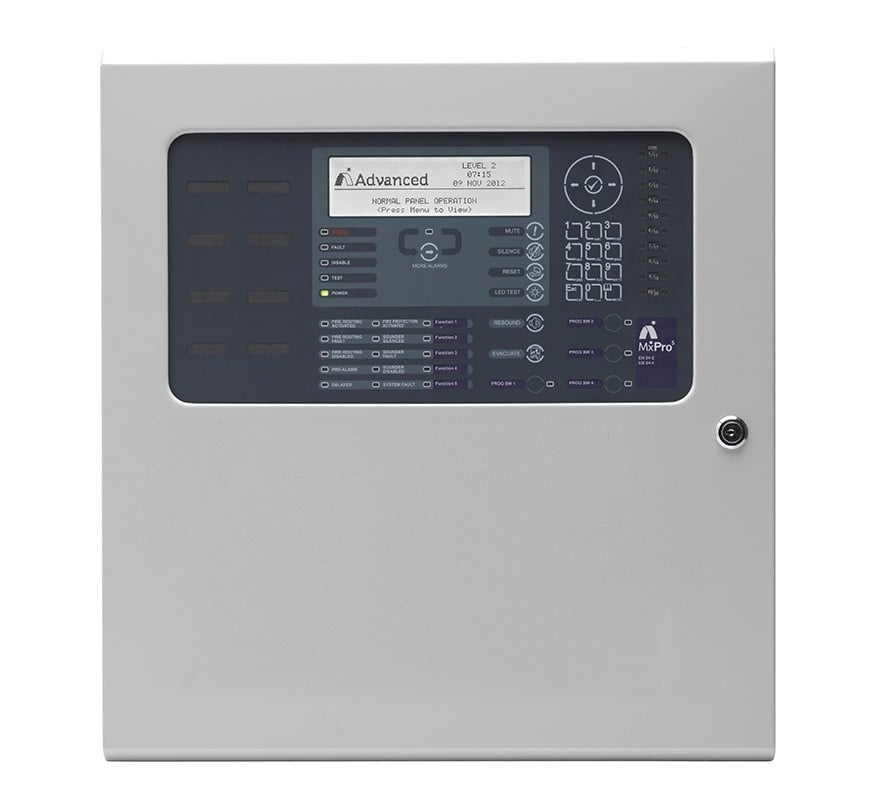
BS 5839-1 Fire Alarm Categories Explained: L1–L5, M, P1 & P2
BS 5839-1 defines eight fire alarm categories: M, L1–L5, P1 and P2. Learn what each covers, what changed in the 2025 edition, and who should decide which category your building needs.

Fire Doors
Fire Door Regulations & Hold-Open Devices: A UK Guide
A plain-English guide to UK fire door regulations: the Fire Safety (England) Regulations 2022 door checks, why fire doors must never be wedged open, and how hold-open devices and door retainers release on fire alarm activation.
Need help choosing the right products?
Talk to our UK team on 0113 518 0540, Monday to Friday, 8:00 to 17:00.