
Fire safety guides

Heat Alarm Guide: Where and Why to Fit One

6 min read By JEM Systems UK
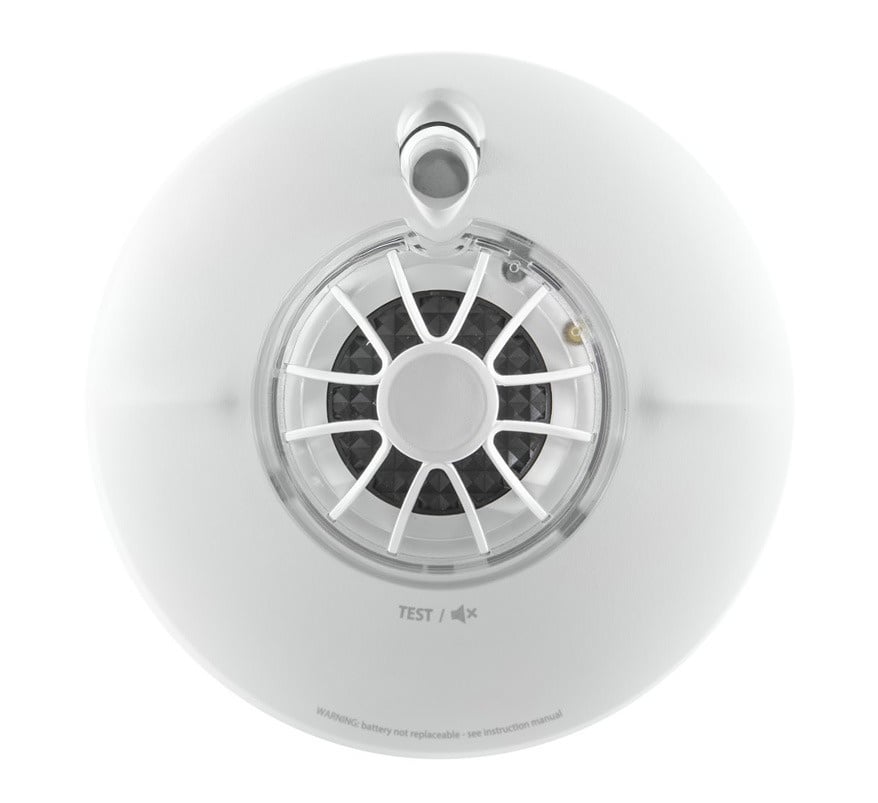
FireAngel 10 year battery heat alarm for kitchens

A heat alarm sounds when the temperature around it rises to a set level, rather than when it senses smoke. That makes it the right choice for rooms where smoke alarms cause false alarms, especially kitchens and integral garages. Heat alarms do not replace smoke alarms: they are designed to work alongside them, ideally interlinked so that every alarm in the home sounds together. You can choose mains-powered models with a backup battery or alarms with a sealed 10-year battery, and many can be interlinked by radio.

What is a heat alarm?

A heat alarm is a self-contained fire alarm with a heat sensor and a built-in sounder. Most domestic heat alarms are fixed-temperature devices: they go into alarm when the air at the ceiling reaches a set temperature, which on many models is around 58°C. Some designs also respond to a fast rise in temperature. Always check the manufacturer's data for the exact response of the model you choose.

Because a heat alarm ignores smoke, steam and cooking fumes, it is far less likely to cause nuisance alarms in a kitchen. The trade-off is that it reacts later than a smoke alarm, because a fire has to produce enough heat to warm the ceiling first.

Heat alarm vs smoke alarm: what's the difference?

Heat alarm Smoke alarm
Detects A rise in temperature Smoke particles
Best for Kitchens, integral garages and other rooms with fumes, steam or dust Hallways, landings, living rooms and bedrooms
False alarms from cooking or steam Rare More likely if sited near a kitchen or bathroom
Speed of response Slower, as the fire must heat the ceiling Faster for smouldering and smoky fires
Suitable for escape routes? No Yes

In short, smoke alarms protect the escape route and the rooms where people spend time, while heat alarms cover the rooms where a smoke alarm would keep going off. For more detail on how domestic systems are planned, see our guide to BS 5839-6 domestic fire alarm grades and categories.

Where should you fit a heat alarm?

Kitchens

The kitchen is the most common place for a heat alarm. Cooking is a frequent cause of fires in the home, but toast, frying and steam also make smoke alarms in or near kitchens prone to false alarms. Fire and rescue services commonly advise fitting a heat alarm in the kitchen rather than a smoke alarm, and many people who remove a smoke alarm after repeated false alarms would be better protected with a heat alarm in that room.

Integral garages

An integral garage, one built into the house, can contain vehicles, fuel, tools and chargers. Exhaust fumes and dust make it a poor place for a smoke alarm, so a heat alarm is the usual choice. Interlinking it with the alarms in the house means a fire in the garage is heard inside the home.

Other rooms

Heat alarms can also suit utility rooms, boiler rooms and other dusty or steamy spaces. Before fitting one in a loft, conservatory or outbuilding, check the alarm's operating temperature range, as these spaces can get very hot or cold.

Where not to rely on a heat alarm

Do not use heat alarms instead of smoke alarms in hallways, landings or bedrooms. These rooms need the earlier warning that a smoke alarm gives, particularly for slow, smouldering fires that produce a lot of smoke before much heat.

Positioning tips

  • Fit heat alarms on the ceiling, as heat rises and collects there.
  • Place them near the centre of the room where possible, and keep them away from walls, corners and light fittings, following the manufacturer's minimum distances.
  • Avoid placing them directly above a cooker, kettle or oven vent, where a burst of hot air could set them off.
  • Follow the installation instructions for the specific model, as spacing and mounting rules vary.

Why interlinking matters

If a fire starts in a kitchen with the door shut, you may not hear a standalone heat alarm from an upstairs bedroom. Interlinked alarms are connected so that when one alarm activates, they all sound. This gives everyone in the home the earliest possible warning, wherever the fire starts.

Alarms can be interlinked by a wire between mains-powered alarms or by radio. Radio-interlinked alarms are popular in existing homes because they avoid running new cables. Alarms usually need to be from the same manufacturer and range to interlink, so plan your heat, smoke and carbon monoxide alarms together. Requirements for interlinked alarms differ across the UK (Scotland, for example, has its own rules for homes), so check the current guidance for your property.

Mains vs battery heat alarms

Mains-powered heat alarms

Mains-powered (hard-wired) alarms run from the home's electrical supply and have a backup battery, either a replaceable battery or a rechargeable or sealed lithium cell, so they keep working during a power cut. They are typically specified in new homes and major refurbishments and should be installed by a qualified electrician. Examples include the Kidde KF30R Mains Powered Heat Alarm, the FireAngel HW1-PF-T Mains Powered Heat Alarm and the Lumi-Plugin One-Heat mains powered radio-interlink heat alarm.

Battery heat alarms

Battery-powered heat alarms with a sealed 10-year lithium battery are quick to fit and need no wiring. They suit existing homes, rented properties and anywhere hard-wiring is not practical. Options include the FireAngel FS1226-T 10 Year Battery Heat Alarm, the Firehawk FHH10-RF radio-interlink heat alarm and the Hispec RF PRO radio-interlink heat alarm.

Whichever you choose, replace the whole alarm when it reaches the end of its life, usually around 10 years. Browse our full range of smoke and heat alarms, or see heat detectors for commercial fire alarm systems.

Testing and maintenance

Press the test button regularly to check the sounder and the interlink, and keep the alarm free of dust and grease by gently vacuuming the vents. Never test a heat alarm with a naked flame. If an alarm starts chirping, our guide why is my fire alarm beeping? explains the usual causes.

Frequently asked questions

Do I need a heat alarm in my kitchen?

A heat alarm is widely recommended for kitchens because it will not be triggered by cooking fumes or steam, while still warning you of a fire.

Can a heat alarm replace a smoke alarm?

No. Heat alarms respond later than smoke alarms and are not suitable for hallways, landings or bedrooms. Use them alongside smoke alarms.

Should heat alarms be interlinked with smoke alarms?

Yes, interlinking is strongly recommended so every alarm sounds when one detects a fire. Check that your alarms are compatible before buying.

Are mains or battery heat alarms better?

Both protect you if correctly fitted. Mains alarms are typical in new builds and refurbishments; sealed 10-year battery alarms are easier to fit in existing homes.

How long do heat alarms last?

Most are designed to last around 10 years. Check the replacement date on the alarm and replace it when due.

This guide is general information; follow your fire risk assessment and a competent person's advice.

More guides

View all →
FireAngel 10 year battery heat alarm for kitchens

A heat alarm sounds when the temperature around it rises to a set level, rather than when it senses smoke. That makes it the right choice for rooms where smoke alarms cause false alarms, especially kitchens and integral garages. Heat alarms do not replace smoke alarms: they are designed to work alongside them, ideally interlinked so that every alarm in the home sounds together. You can choose mains-powered models with a backup battery or alarms with a sealed 10-year battery, and many can be interlinked by radio.

What is a heat alarm?

A heat alarm is a self-contained fire alarm with a heat sensor and a built-in sounder. Most domestic heat alarms are fixed-temperature devices: they go into alarm when the air at the ceiling reaches a set temperature, which on many models is around 58°C. Some designs also respond to a fast rise in temperature. Always check the manufacturer's data for the exact response of the model you choose.

Because a heat alarm ignores smoke, steam and cooking fumes, it is far less likely to cause nuisance alarms in a kitchen. The trade-off is that it reacts later than a smoke alarm, because a fire has to produce enough heat to warm the ceiling first.

Heat alarm vs smoke alarm: what's the difference?

Heat alarm Smoke alarm
Detects A rise in temperature Smoke particles
Best for Kitchens, integral garages and other rooms with fumes, steam or dust Hallways, landings, living rooms and bedrooms
False alarms from cooking or steam Rare More likely if sited near a kitchen or bathroom
Speed of response Slower, as the fire must heat the ceiling Faster for smouldering and smoky fires
Suitable for escape routes? No Yes

In short, smoke alarms protect the escape route and the rooms where people spend time, while heat alarms cover the rooms where a smoke alarm would keep going off. For more detail on how domestic systems are planned, see our guide to BS 5839-6 domestic fire alarm grades and categories.

Where should you fit a heat alarm?

Kitchens

The kitchen is the most common place for a heat alarm. Cooking is a frequent cause of fires in the home, but toast, frying and steam also make smoke alarms in or near kitchens prone to false alarms. Fire and rescue services commonly advise fitting a heat alarm in the kitchen rather than a smoke alarm, and many people who remove a smoke alarm after repeated false alarms would be better protected with a heat alarm in that room.

Integral garages

An integral garage, one built into the house, can contain vehicles, fuel, tools and chargers. Exhaust fumes and dust make it a poor place for a smoke alarm, so a heat alarm is the usual choice. Interlinking it with the alarms in the house means a fire in the garage is heard inside the home.

Other rooms

Heat alarms can also suit utility rooms, boiler rooms and other dusty or steamy spaces. Before fitting one in a loft, conservatory or outbuilding, check the alarm's operating temperature range, as these spaces can get very hot or cold.

Where not to rely on a heat alarm

Do not use heat alarms instead of smoke alarms in hallways, landings or bedrooms. These rooms need the earlier warning that a smoke alarm gives, particularly for slow, smouldering fires that produce a lot of smoke before much heat.

Positioning tips

  • Fit heat alarms on the ceiling, as heat rises and collects there.
  • Place them near the centre of the room where possible, and keep them away from walls, corners and light fittings, following the manufacturer's minimum distances.
  • Avoid placing them directly above a cooker, kettle or oven vent, where a burst of hot air could set them off.
  • Follow the installation instructions for the specific model, as spacing and mounting rules vary.

Why interlinking matters

If a fire starts in a kitchen with the door shut, you may not hear a standalone heat alarm from an upstairs bedroom. Interlinked alarms are connected so that when one alarm activates, they all sound. This gives everyone in the home the earliest possible warning, wherever the fire starts.

Alarms can be interlinked by a wire between mains-powered alarms or by radio. Radio-interlinked alarms are popular in existing homes because they avoid running new cables. Alarms usually need to be from the same manufacturer and range to interlink, so plan your heat, smoke and carbon monoxide alarms together. Requirements for interlinked alarms differ across the UK (Scotland, for example, has its own rules for homes), so check the current guidance for your property.

Mains vs battery heat alarms

Mains-powered heat alarms

Mains-powered (hard-wired) alarms run from the home's electrical supply and have a backup battery, either a replaceable battery or a rechargeable or sealed lithium cell, so they keep working during a power cut. They are typically specified in new homes and major refurbishments and should be installed by a qualified electrician. Examples include the Kidde KF30R Mains Powered Heat Alarm, the FireAngel HW1-PF-T Mains Powered Heat Alarm and the Lumi-Plugin One-Heat mains powered radio-interlink heat alarm.

Battery heat alarms

Battery-powered heat alarms with a sealed 10-year lithium battery are quick to fit and need no wiring. They suit existing homes, rented properties and anywhere hard-wiring is not practical. Options include the FireAngel FS1226-T 10 Year Battery Heat Alarm, the Firehawk FHH10-RF radio-interlink heat alarm and the Hispec RF PRO radio-interlink heat alarm.

Whichever you choose, replace the whole alarm when it reaches the end of its life, usually around 10 years. Browse our full range of smoke and heat alarms, or see heat detectors for commercial fire alarm systems.

Testing and maintenance

Press the test button regularly to check the sounder and the interlink, and keep the alarm free of dust and grease by gently vacuuming the vents. Never test a heat alarm with a naked flame. If an alarm starts chirping, our guide why is my fire alarm beeping? explains the usual causes.

Frequently asked questions

Do I need a heat alarm in my kitchen?

A heat alarm is widely recommended for kitchens because it will not be triggered by cooking fumes or steam, while still warning you of a fire.

Can a heat alarm replace a smoke alarm?

No. Heat alarms respond later than smoke alarms and are not suitable for hallways, landings or bedrooms. Use them alongside smoke alarms.

Should heat alarms be interlinked with smoke alarms?

Yes, interlinking is strongly recommended so every alarm sounds when one detects a fire. Check that your alarms are compatible before buying.

Are mains or battery heat alarms better?

Both protect you if correctly fitted. Mains alarms are typical in new builds and refurbishments; sealed 10-year battery alarms are easier to fit in existing homes.

How long do heat alarms last?

Most are designed to last around 10 years. Check the replacement date on the alarm and replace it when due.

This guide is general information; follow your fire risk assessment and a competent person's advice.

Domestic fire safety, Fire safety guides, Guides, Heat alarms, Smoke alarms