Guides
Practical guides on fire alarms, extinguishers, emergency lighting and UK fire safety rules, written for installers, contractors and building managers.
Fire Extinguishers
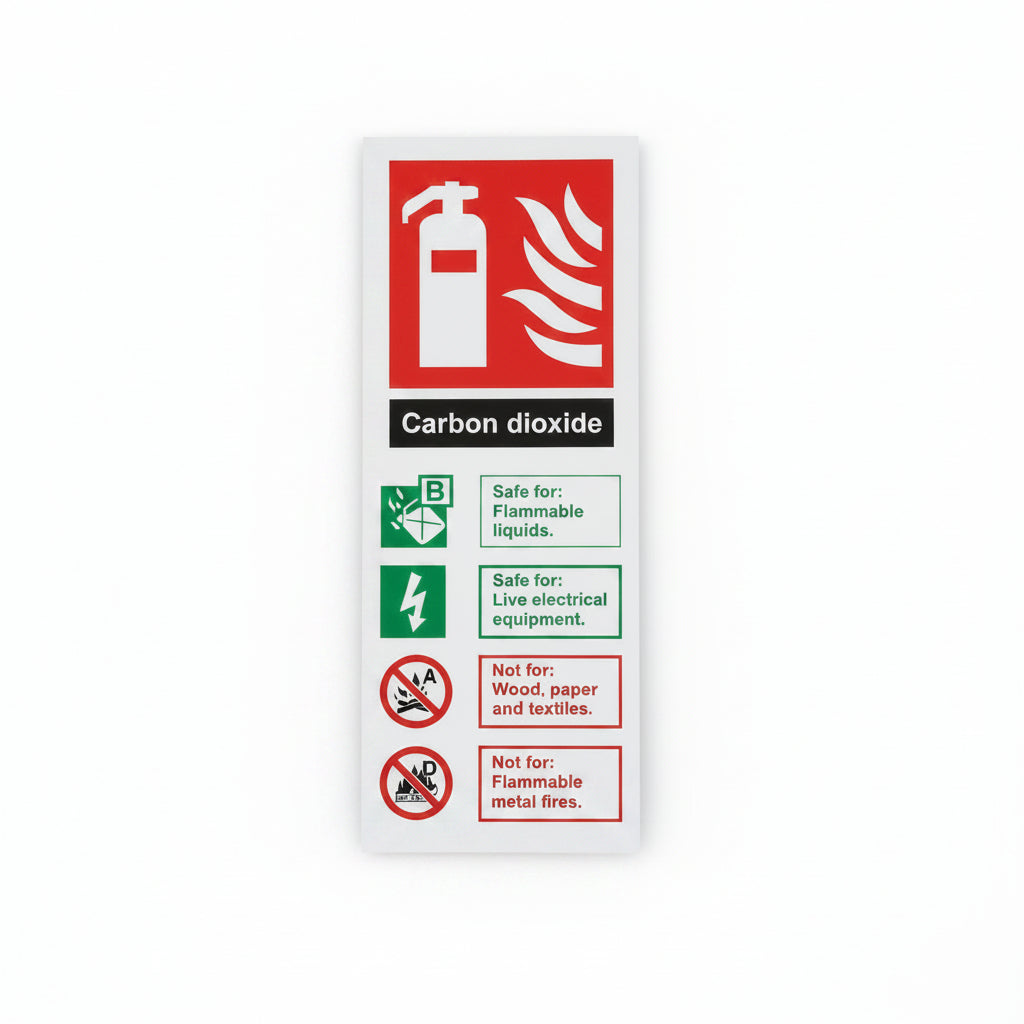
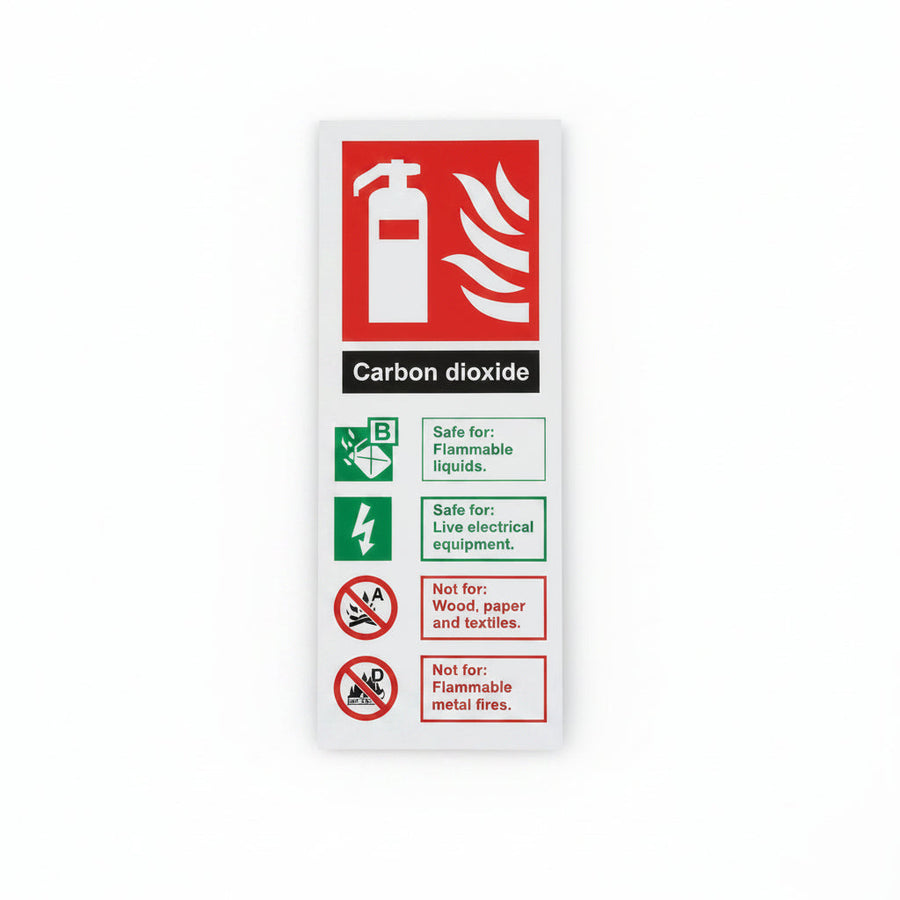
Fire Extinguisher Signs: Which Signs You Need & Where
Fire extinguisher signs show where equipment is and which extinguisher to use. Learn the difference between location and ID signs, what the regulations say, where to fix them and when to use photoluminescent signs.
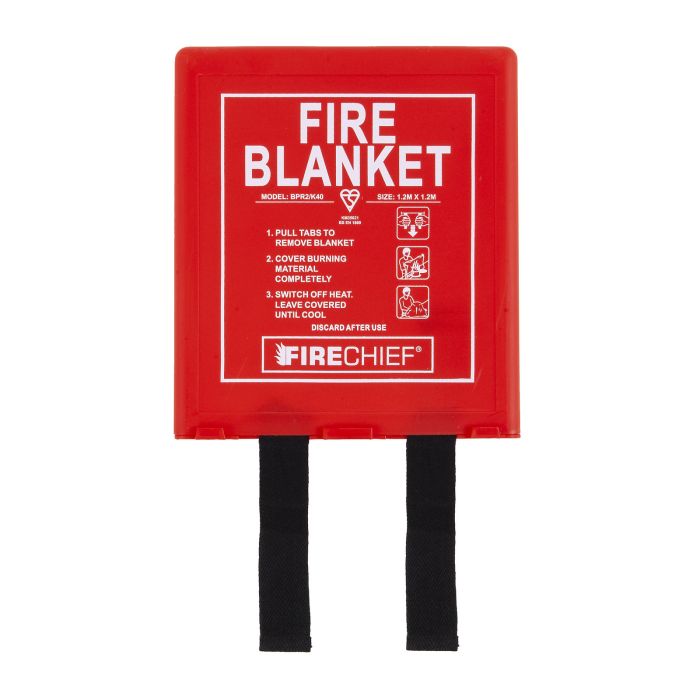
BS EN 1869
Fire Blankets: Sizes, BS EN 1869 & How to Use One
Fire blankets smother small pan fires and clothing fires. Choose the right BS EN 1869 size, soft or rigid case, mount it in the right place and learn how to use one safely.

BS 5839-1
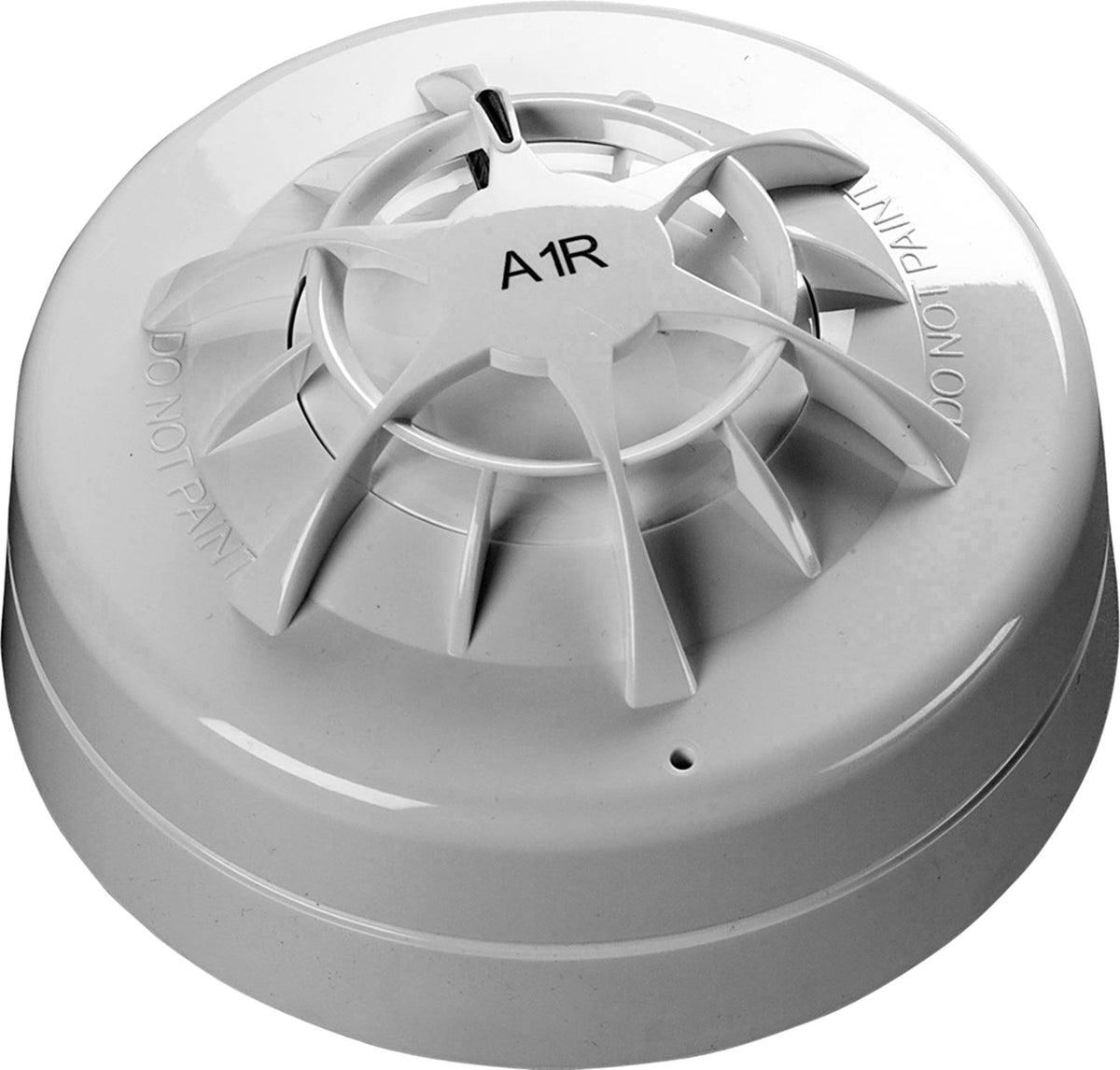
Heat Detectors Explained: EN 54-5 Classes, Rate-of-Rise & Siting
Heat detectors alarm on a set temperature or a fast rise in temperature. This guide explains EN 54-5 classes such as A1R and CS, heat vs smoke detection, and BS 5839-1 spacing and ceiling heights.
Fire Alarms
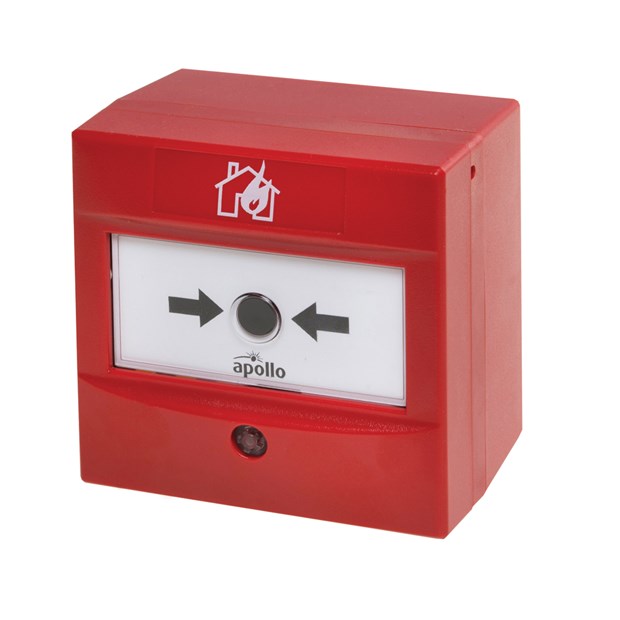
Manual Call Points Explained: Types, Siting & Colours (BS 5839-1)
Manual call points let anyone raise the fire alarm. Learn the difference between Type A and Type B, resettable and glass elements, BS 5839-1 siting and height, call point colours, covers and weekly testing.
Carbon Monoxide
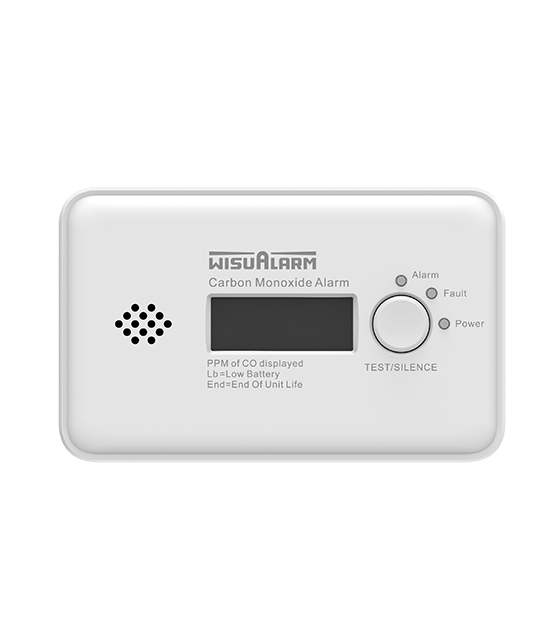
Where to Put a Carbon Monoxide Detector: Placement & UK Rules
Where to put a carbon monoxide detector: 1 to 3 m from the appliance, on the ceiling or high on a wall. This guide covers placement, places to avoid, UK rules for homes and rented property, and choosing and testing...
Fire Alarms
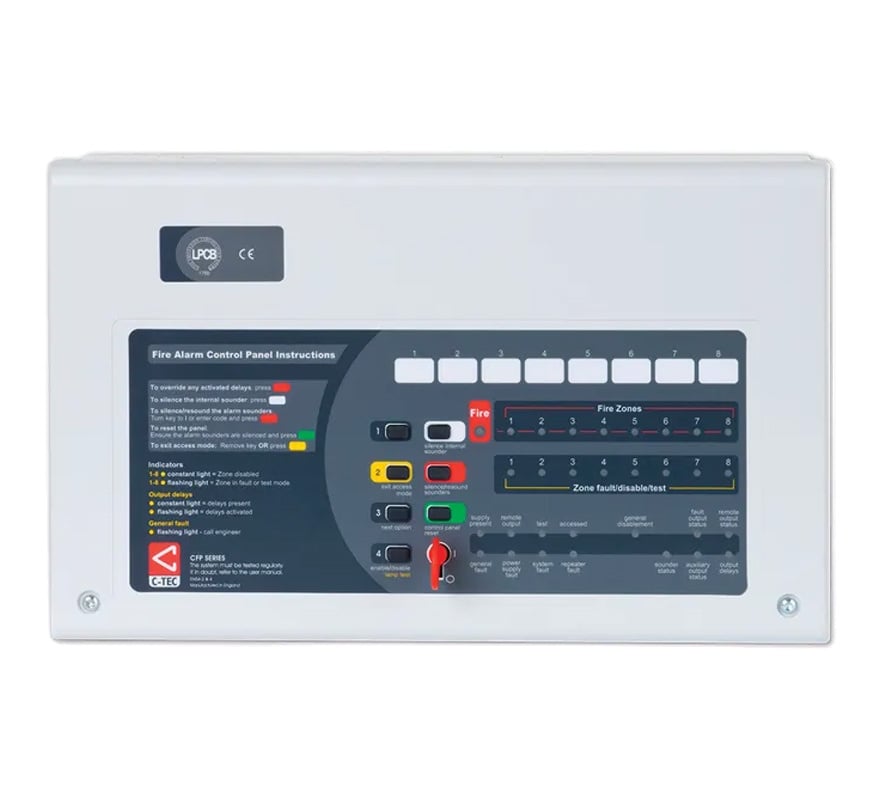
Addressable vs Conventional Fire Alarm Systems: Which Do You Need?
Conventional fire alarms show the zone in alarm; addressable systems show the exact device. Compare wiring, two-wire systems, protocols, costs and typical buildings to choose the right fire alarm panel.
Domestic Fire Safety
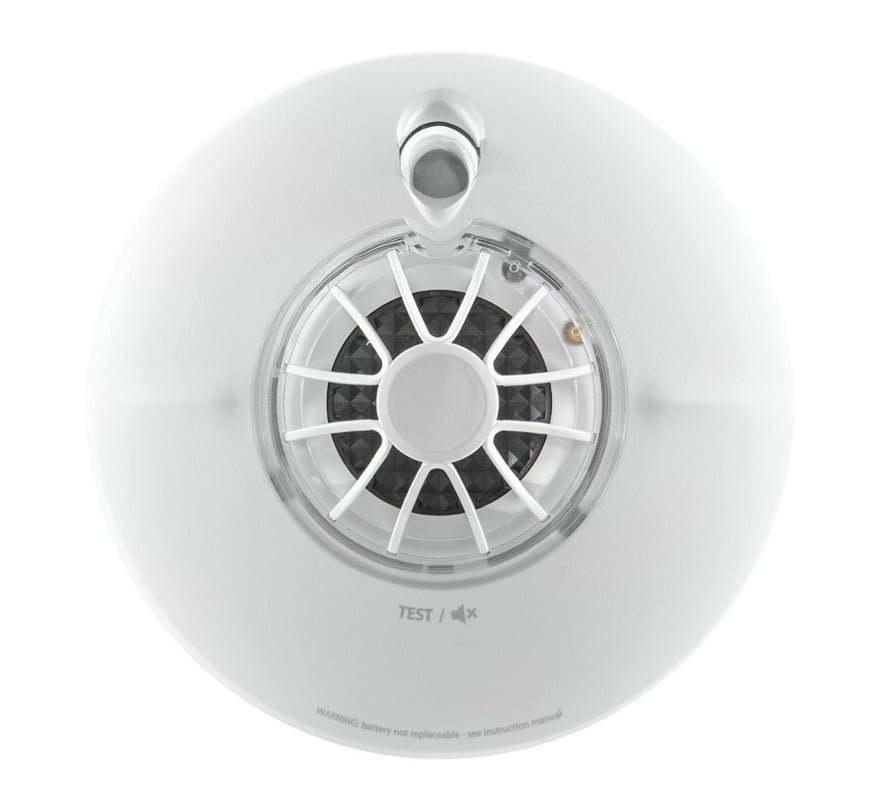
Heat Alarm Guide: Where and Why to Fit One
Heat alarms sound when the temperature rises rather than when they sense smoke, so they suit kitchens and garages where smoke alarms cause false alarms. This guide covers heat vs smoke alarms, where to fit them, interlinking, and mains vs...

AOV
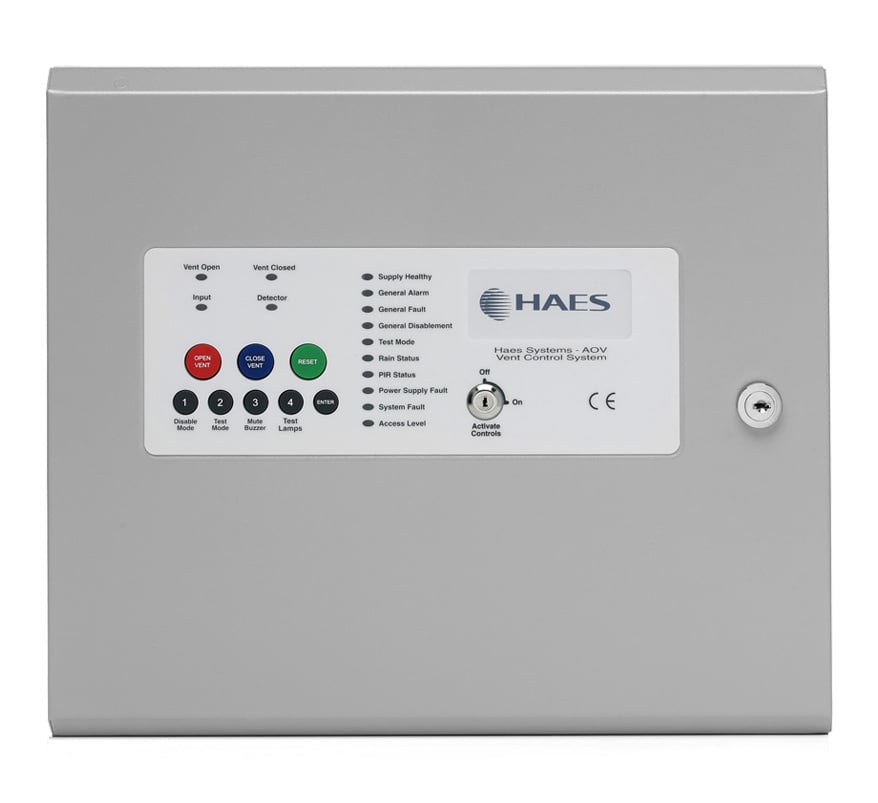
What Is an AOV System? Automatic Opening Vents Explained
An AOV (automatic opening vent) system opens vents automatically when smoke is detected, helping to keep stairwells, lobbies and corridors clearer so people can escape. Here is how AOV systems work, what they are made of and when they are...
EMS
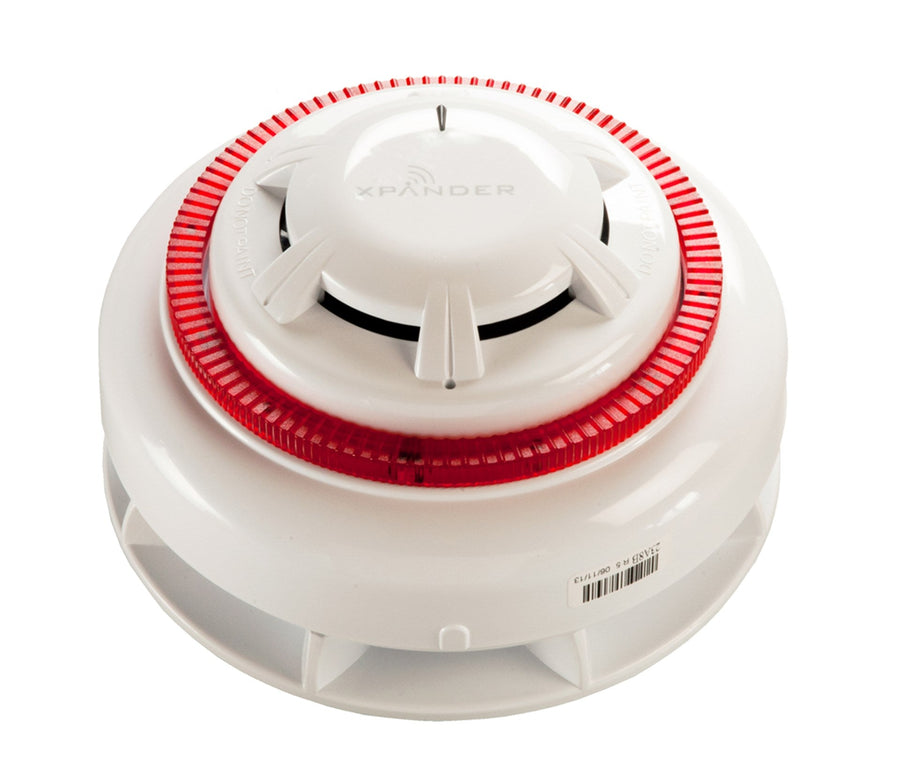
Wireless Fire Alarm Systems: When Do They Make Sense?
How wireless fire alarm systems work, what EN 54-25 requires, fully wireless vs hybrid systems, where wireless makes sense, and how to plan battery maintenance.
Fire Extinguishers
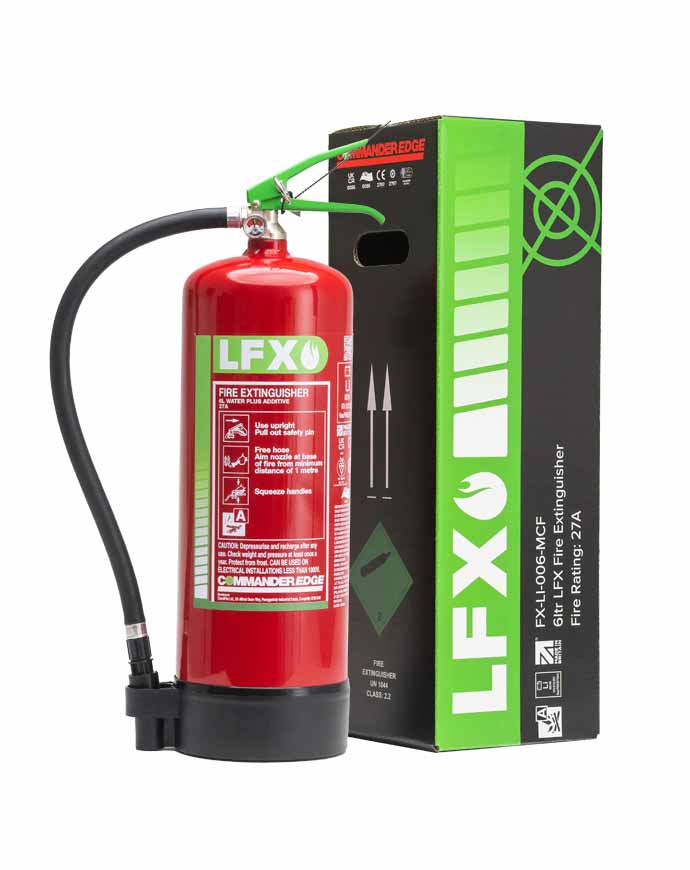
Lithium-Ion Battery Fire Safety: E-Bikes, EV Charging & Storage
Thermal runaway, safe charging and storage of e-bikes and e-scooters, off-gas detection, LFX lithium fire extinguishers and EV fire blankets explained.
Fire Alarms
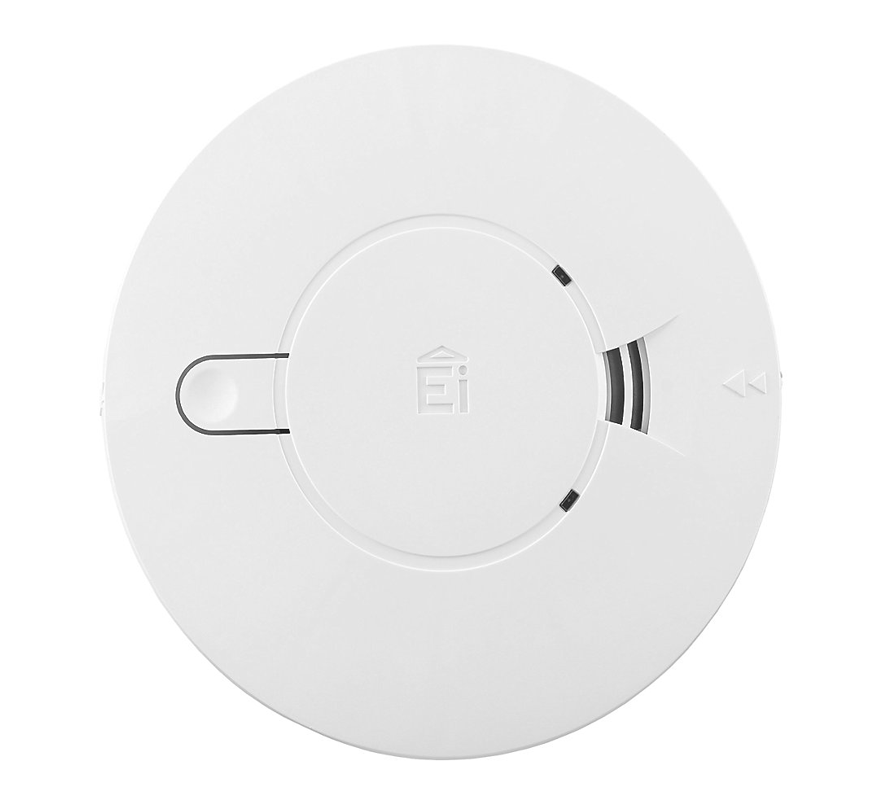
Why Is My Fire Alarm Beeping? Causes & Fixes
A regular chirp usually means a low battery or an alarm at the end of its life. False alarms are usually caused by cooking fumes, steam or dust, and a beeping commercial panel normally signals a fault. Here's how to...

False Alarms
Vape Detectors for Schools & Workplaces: How They Work
How vape detectors work, why vaping can set off optical smoke detectors, and practical steps schools and workplaces can take to manage false fire alarms.
Fire Alarms
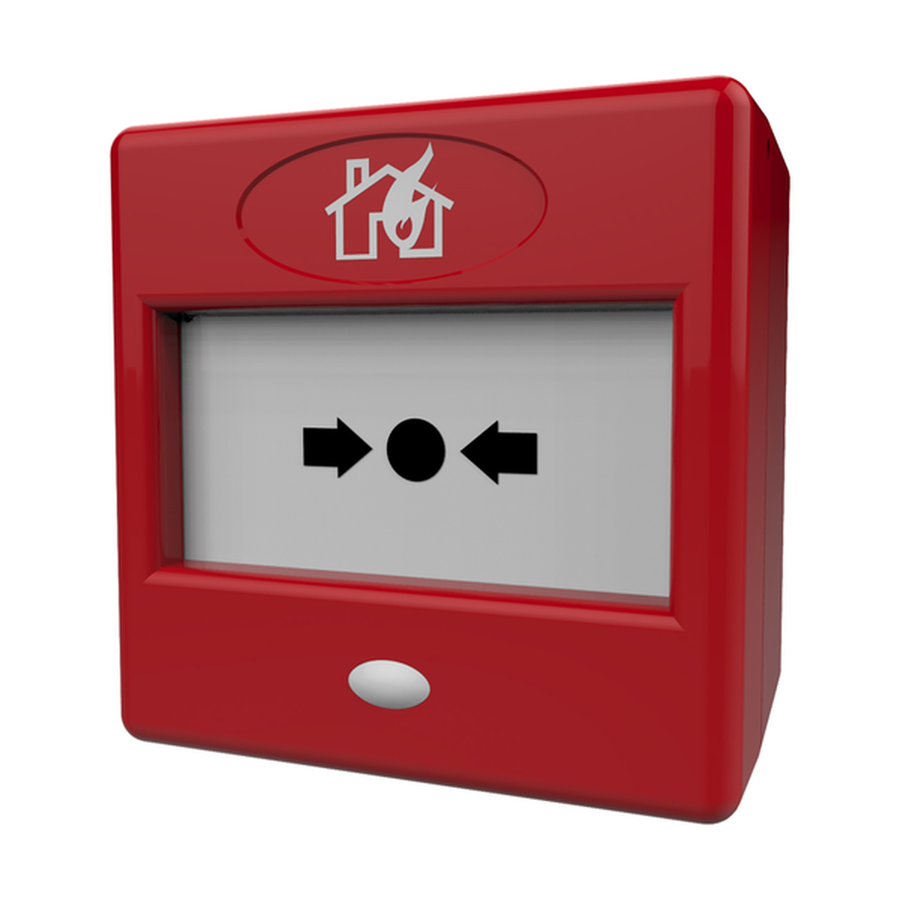
Weekly Fire Alarm Testing & Log Book Guide (BS 5839-1)
How to carry out the weekly fire alarm test using a different manual call point each week, what to record in your fire alarm log book, and why a competent person should service the system about every six months.
Need help choosing the right products?
Talk to our UK team on 0113 518 0540, Monday to Friday, 8:00 to 17:00.